
Key Takeaways
A careful fluid check is mostly about using the right method and knowing when to stop. Work from your vehicle’s manual, and treat unexpected changes as a reason to investigate rather than simply top up.
- Park on level ground and secure the vehicle before checking anything.
- Follow the manual’s instructions for checking each fluid and for letting the engine cool.
- Use only fluids that meet the specification for your exact vehicle.
- Don’t open a hot cooling system or ignore brake warnings and overheating.
- Record checks and top-ups so recurring changes are easier to spot.
Prepare the car for a fluid check
A little preparation makes a fluid check safer and less likely to produce a misleading reading. Choose a stable, well-lit place and give yourself enough time to consult the vehicle’s instructions. The same habit of checking the original requirements applies in other settings, from Quonset hut carports to Visa Juvenil paperwork, even though the details are entirely different.
Park on level ground and secure the vehicle
A sloped surface can affect some readings, so park on level ground before you begin. Shift into Park or the appropriate gear, apply the parking brake, and switch off the engine unless the owner’s manual specifically directs otherwise. Keep the key or fob with you, and let the vehicle settle before opening the hood.
Check the owner’s manual for model-specific instructions
The manual is the best place to confirm where a fluid reservoir is located and how its level should be checked. Procedures can differ between model years and powertrains, including whether a reading is taken with the engine running, switched off, warm, or cool. For a broader look at why documentation matters, biomedical equipment service guides also discuss device-specific checks and maintenance records.
Know which fluids require a cool engine
Engine oil, coolant, and other fluids may have different temperature requirements for an accurate or safe check. In particular, do not open a pressurized cooling system while it is hot; wait until the engine has cooled fully and follow the manual. If you are unsure whether a procedure requires a cool engine, pause and check the instructions first.
Gather supplies and avoid contact with hot or pressurized parts
Have a clean cloth, a small funnel if needed, and the correct fluid containers within reach before starting. Avoid leaning on hot components, reaching near moving parts, or touching caps and hoses that may be hot or pressurized. Guidance on Mercedes-Benz service intervals can provide general maintenance context, but your vehicle’s own manual should determine the checking procedure.
Check the engine oil
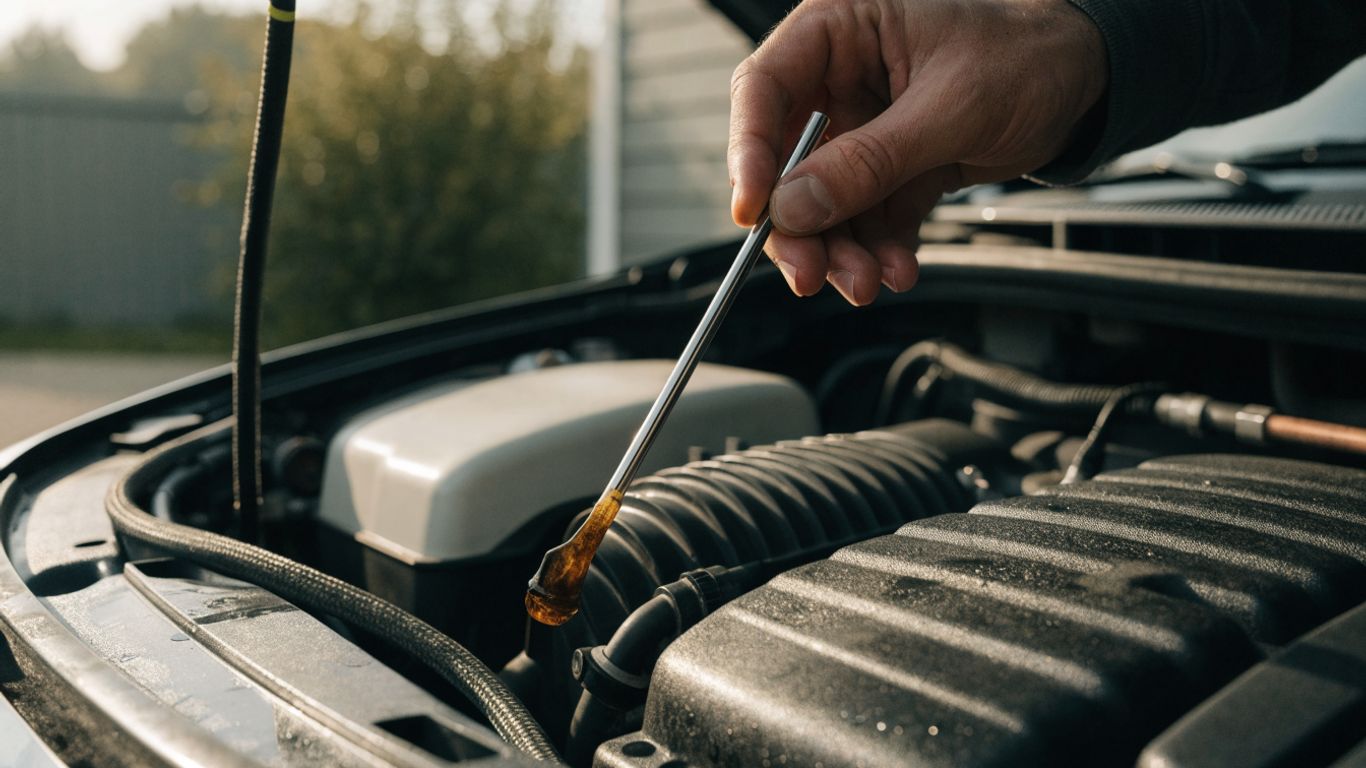
Oil checks are useful only when you use the method intended for your vehicle. Some vehicles have a dipstick, while others display the level electronically or specify a particular sequence for taking a reading. The Mercedes fluid check list starts with identifying that method, then using the correct oil specification and watching for changes over time.
Locate the dipstick or electronic oil-level display
Look in the manual for the dipstick location or for the controls used to display the oil level. If the vehicle has an electronic reading, follow the on-screen prompts and any stated requirements about the engine or vehicle position. Do not assume a dipstick is present just because another vehicle you have owned used one.
Read the level using the method specified for your model
A dipstick reading typically requires removing and wiping the dipstick, reinserting it fully, and then checking the marked range, but confirm the exact sequence in the manual. An electronic reading may require waiting for the vehicle to meet certain conditions before it appears. These broad differences are easier to compare at a glance:
| Check method | What to follow | What to avoid |
|---|---|---|
| Dipstick | The manual’s removal and reading steps | Guessing from a partially inserted dipstick |
| Electronic display | On-screen prompts and stated conditions | Treating a missing reading as a confirmed level |
| Model-specific procedure | The exact sequence in the owner’s manual | Borrowing instructions from another vehicle |
A reading outside the specified range deserves attention, but the right next step depends on the vehicle’s instructions. Recheck only as directed, and don’t add oil simply because the display is unavailable or unclear.
Top up with the correct Mercedes-approved oil without overfilling
Before adding oil, confirm the required specification and viscosity in the owner’s manual or an authoritative source for the exact vehicle. Add a small amount at a time, then recheck using the specified method; small additions are safer than pouring in a large quantity at once. Avoid overfilling, and stop if you cannot verify which oil is suitable.
Note changes in color, texture, or oil level
Oil naturally darkens as it is used, so color alone is not a reliable diagnosis. Look for a level that repeatedly drops, an unusual texture, or a sudden change from your recorded readings. If you notice a persistent change, arrange an inspection rather than relying on appearance to identify the cause.
Inspect coolant and windshield washer fluid
Coolant checks call for more caution than a routine visual glance at the reservoir. Washer fluid is usually simpler to inspect, but the appropriate product depends on conditions where you drive. A pre-trip service checklist can help prompt broader preparation before a journey, while the steps here focus on these two fluids.
Check the coolant reservoir only when the engine is cool
Wait until the engine is fully cool before checking the coolant reservoir, and use the markings described in the manual. Look at the level through the reservoir if possible rather than removing a cap unnecessarily. If the level is difficult to read or the instructions are unclear, leave the system closed and ask a technician.
Use the specified coolant and never open a hot system
Coolant specifications vary, so check the exact requirement before adding anything. Never remove a cap from a hot or pressurized cooling system: escaping steam or liquid can cause serious burns. A low reservoir level is not a reason to take that risk; wait for the system to cool and seek help if you are uncertain.
Refill washer fluid with a product suited to the season
Use washer fluid intended for the expected temperatures, especially where freezing conditions are possible. Fill only to the level and in the manner described for your vehicle, and avoid substituting household cleaners that may not be suitable for the washer system. Checking the reservoir before a trip can prevent an inconvenient empty tank when the windshield needs cleaning.
Look for leaks, residue, or repeated drops in level
A quick visual check around the reservoirs and the ground beneath the vehicle can reveal signs worth investigating. Dried residue, damp patches, or a level that keeps falling may point to a problem even if the vehicle seems to drive normally. Note where and when you see a change, then share those details with a qualified technician.
Check brake fluid and other model-specific fluids
Not every fluid is meant to be checked or topped up by an owner. Some systems are sealed, difficult to access, or require a specific service procedure, so the manual should guide what you inspect yourself. Keep Mercedes-Benz operating-fluid information in mind as a reference point, but verify the specification and procedure applicable to your exact vehicle.
Inspect the brake-fluid reservoir and heed low-level warnings
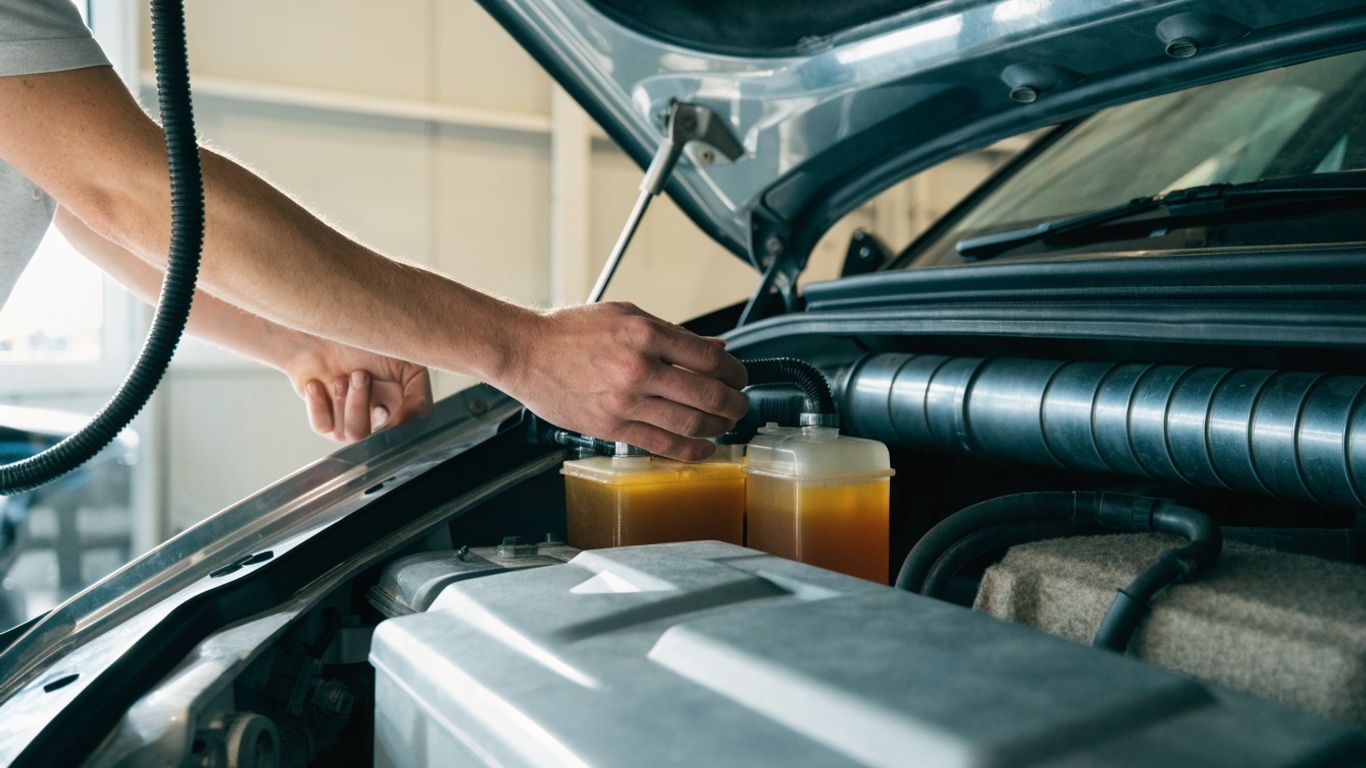
If the manual identifies an owner-checkable brake-fluid reservoir, inspect its level without disturbing the cap or surrounding components. A low-level warning or a brake-fluid level below the stated range should not be dismissed as a routine top-up. Because braking is safety-critical, arrange professional assessment to find out why the level is low.
Find out whether your Mercedes has a serviceable power-steering reservoir
Power-steering arrangements vary, and some vehicles may not have a reservoir intended for routine owner checks. Consult the manual rather than searching for a cap based on another model’s layout. If the system is difficult to access or the steering feels unusual, have it checked professionally.
Check transmission, differential, or other fluids only as directed
Transmission, differential, and other fluids may require specialized access or a prescribed temperature and operating condition for a valid reading. The manual may direct owners to leave these checks to a service professional. Avoid opening a plug or removing a cover merely to see whether fluid is present.
Confirm the required fluid specification before adding anything
Fluid names that sound similar do not necessarily mean the products are interchangeable. Check the specification listed for the exact vehicle and system before adding fluid, and seek qualified help if you cannot confirm it. This is especially important for systems that are sealed or require a controlled filling procedure.
Respond to low levels and warning signs
A low reading can have several explanations, and topping up does not identify the cause. Consider the reading alongside warning lights, visible residue, and whether the level has changed since the last check. A summer vehicle-preparation guide also highlights how weather conditions can shape routine checks, though urgent warnings always take priority.
Distinguish normal consumption from a possible leak
One reading is only a snapshot; repeated checks made according to the manual can show whether a level is changing. Look for patterns such as a recurring drop, fresh fluid beneath the vehicle, or residue near a reservoir. Keep notes rather than guessing at the cause, since leaks and other faults need proper diagnosis.
A short record of observations can make a service conversation clearer. These are useful details to capture:
- The date and approximate mileage of the check.
- Which fluid appeared low and how it was measured.
- Any top-up, including the product specification if known.
- Warning lights, visible residue, or changes in how the vehicle behaves.
Together, those notes give a technician more context than a single recollection. If the same fluid drops again, arrange an inspection instead of repeatedly topping it off.
Stop driving if a brake warning or serious overheating occurs
A brake warning or serious overheating calls for immediate caution. Pull over safely as soon as you can, switch off the engine if overheating is indicated, and follow the vehicle’s warning instructions. Do not continue driving to see whether the alert clears, and never open a hot cooling system.
Avoid mixing fluids or using an unapproved substitute
Do not mix products unless the vehicle’s instructions explicitly allow it. An unapproved substitute can be unsuitable even when its label describes a similar purpose. If the correct specification is not available, wait and confirm what is required rather than improvising.
Ask a qualified technician to diagnose recurring problems
Repeated drops, persistent warnings, or visible leaks deserve a diagnosis, not just another refill. A technician can inspect the relevant system and determine whether further work is needed. Share your notes and explain when the change began; those details can help narrow the investigation.
Set a routine for future checks
A consistent routine makes it easier to notice a change before it becomes a surprise. Use the service schedule and checking instructions for your exact model and year rather than relying on a generic interval. A simple written record can help connect the dots between checks and scheduled maintenance.
Follow the maintenance schedule for your exact model and year
Use the maintenance schedule supplied for your vehicle, since service requirements can vary by model, year, and configuration. Keep scheduled service separate from quick visual checks: one does not necessarily replace the other. If the schedule is missing or confusing, ask a qualified service provider to confirm it.
Check more often before long trips or after a warning
Before a long journey, make time for any checks recommended by the manual and respond to warning messages before setting off. If a warning appears between routine checks, follow its instructions rather than waiting for the next planned review. Extra checks should still use the correct procedure; rushing or checking a hot system can make the task less safe.
Record fluid levels, top-ups, and service dates
Write down the date, mileage, reading, and any fluid added, along with the product specification when available. The record does not need to be elaborate; a notebook or a note on your phone is enough if you keep it consistent. Over time, it can help reveal whether a change is isolated or recurring.
Have sealed or difficult-to-access systems inspected professionally
Some systems are not designed for routine owner access, and others require tools or conditions that are not practical at home. Leave those checks to a qualified technician, especially if the manual says the system is sealed or directs you to schedule service. Regular professional inspections complement, rather than replace, the simple checks you can safely perform.
Conclusion
A safe fluid check is careful, specific, and unhurried: follow the manual, use the correct method and specification, and take warnings or repeated level changes seriously. When a system is hot, difficult to access, or showing a recurring problem, stopping and asking for professional help is the sensible next step.
Frequently Asked Questions
How often should I check vehicle fluids?
Follow the schedule in your owner’s manual, and check sooner if a warning appears or before a long trip when the manual recommends it. Consistent checks make changes easier to notice.
Should the engine be running when I check oil?
It depends on the vehicle and the method it uses. Follow the manual’s instructions about whether the engine should be running, off, warm, or cool.
Can I open the coolant reservoir when the engine is warm?
Do not open a hot or pressurized cooling system. Wait until the engine has cooled fully and follow the vehicle’s instructions to avoid burns.
What should I do if the oil level is low?
Confirm the reading using the prescribed method, then verify the exact oil specification before adding a small amount. Recheck as directed and avoid overfilling.
Is dark engine oil a sign that it needs immediate replacement?
Not by itself. Oil can darken during use, so consider the maintenance schedule and other signs, such as recurring level loss or unusual texture.
Why does a fluid level keep dropping?
A repeated drop may indicate a leak or another issue, but the cause cannot be determined from the level alone. Record what you observe and arrange a professional inspection.
Can I use a similar fluid if the specified one is unavailable?
Do not assume similar-looking or similarly named fluids are interchangeable. Check the required specification and ask a qualified technician if you cannot confirm a suitable product.