

Key Takeaways
Improving Mercedes engine performance involves a strategic approach to software, airflow, and thermal management to unlock hidden factory potential. This guide outlines the essential steps to safely elevate your vehicle’s power and responsiveness while maintaining longevity.
- ECU remapping safely yields significant horsepower gains.
- Enhanced intake and exhaust systems improve engine breathing.
- Thermal management prevents heat soak during spirited driving.
- High-octane fuel and specialized maintenance ensure peak output.
- Drivetrain upgrades are necessary to balance increased torque loads.
Engine software tuning for factory horsepower gains
Engineers design factory software with broad constraints, leading many enthusiasts to pursue Mercedes performance tuning to access latent power. By modifying the engine control unit’s parameters, owners can effectively remove these conservative limitations. Careful implementation is vital to ensuring the engine remains reliable under higher stress conditions.
Understanding how ECU remapping works
ECU remapping adjusts internal engine maps to optimize fuel delivery, ignition timing, and boost targets. By refining these values, the vehicle responds more aggressively to throttle inputs, transforming the driving experience without physical hardware changes.
Benefits of stage 1 versus stage 2 tuning
Stage 1 upgrades focus on software-only optimizations, providing an excellent balance of power and ease of installation. In contrast, stage 2 tuning requires supporting hardware like upgraded downpipes to achieve the full range of potential power gains.
Risks to warranty and powertrain components
Significant power increases place higher demand on cooling and internal components, which may impact factory warranties if not managed correctly. It is essential to understand that pushing the limits requires diligent monitoring of all mechanical systems to prevent unexpected failure.
Choosing a reputable tuning specialist
Selecting an experienced professional who understands the nuances of complex electronic control units is critical for successful long-term results. Expert guidance ensures that performance increases do not lead to long-term disappointment regarding fuel economy or mechanical reliability.
Upgrading air intake systems for better breathing
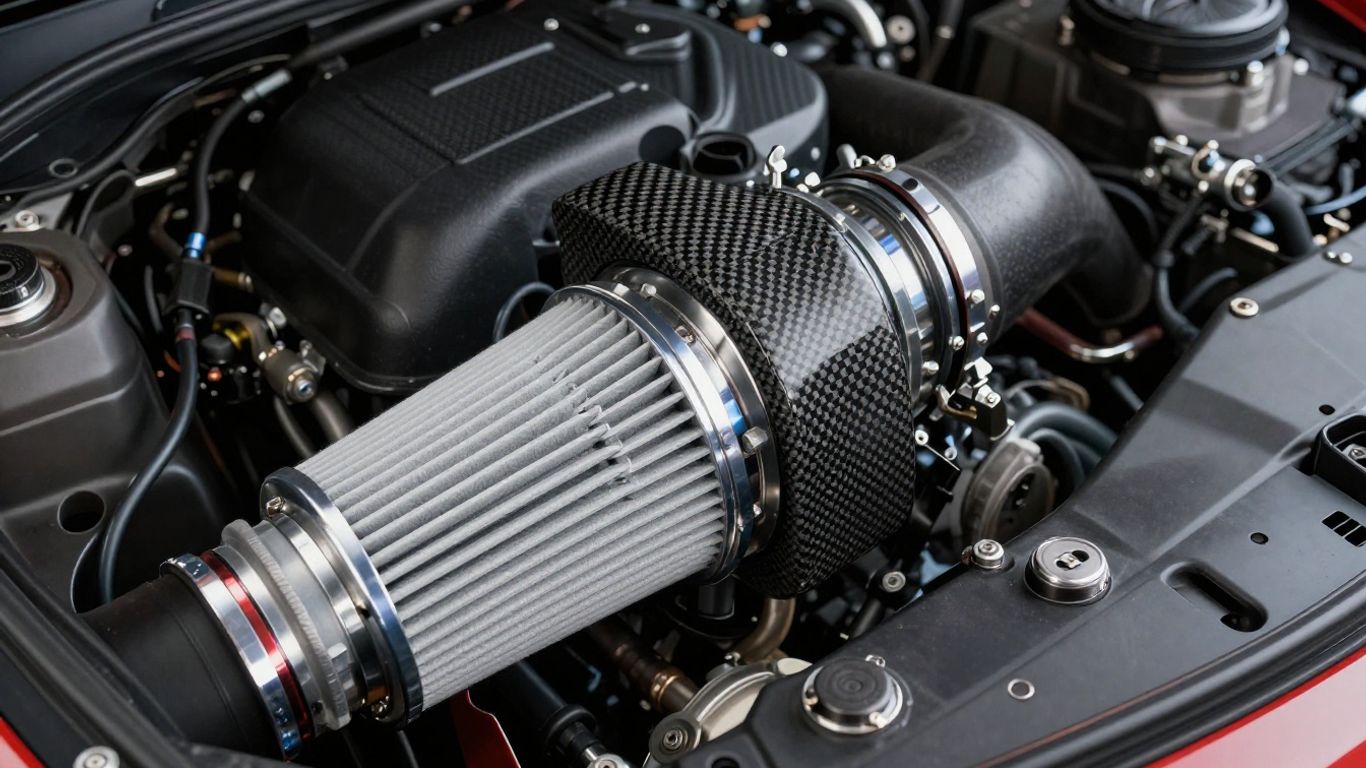
Optimizing the path through which air enters the engine cylinder is among the most effective ways to unlock your Mercedes-Benz’s full potential without deep internal modifications. By reducing flow restrictions, the engine works less to pull in oxygen, increasing efficiency and power output throughout the rev range. This process requires focusing on both the geometry of the tubing and the quality of the filter elements used.
Cold air intake design benefits
Cold air intake systems reposition the filter away from engine heat, ensuring the air density remains as high as possible. Denser air contains more oxygen by volume, which directly contributes to a measurable increase in power output when combined with proper fueling adjustments.
High-flow performance air filters
Upgrading to a high-capacity filter reduces intake resistance while maintaining strict filtration standards to stop contaminants from entering the combustion chamber. Consistent airflow ensures that the engine maintains its performance under varying environmental conditions and driving intensities.
Impact on throttle response and induction sound
More efficient breathing naturally sharpens throttle response, making the car feel more urgent when you tip into the accelerator. Furthermore, the removal of sound-deadening materials reveals a more visceral and satisfying mechanical induction note.
Importance of intake air temperature management
Monitoring and managing air intake temperatures is vital to prevent timing retardation, which occurs when the ECU detects excessive heat. Keeping incoming air cool is the foundation for sustaining high performance during extended road use.
Enhancing exhaust and airflow efficiency
Upgrading the exhaust system facilitates faster movement of spent gases, which reduces backpressure. A well-designed system allows for easier engine operation and often yields a signature tone synonymous with high-performance driving. When selecting and installing these components, motorists must pay close attention to the impact on overall engine balance.
Downpipe and header modifications
Modifying the primary sections of the exhaust is the most effective way to eliminate restrictive points near the turbochargers. This transition creates an immediate improvement in exhaust flow efficiency.
Cat-back exhaust systems explained
These systems replace components from the catalytic converter to the tailpipes, often improving mid-range sound and efficiency. Common benefits include:
- Improved weight distribution compared to factory steel units.
- Reduced gas velocity resistance for smoother power delivery.
- Better resonance control to minimize cabin drone.
This upgrade provides a controlled way to increase presence without requiring radical changes that might affect emissions equipment. Modern enthusiast models benefit significantly from the increased capacity for exhaust flow, leading to more responsive acceleration and a more aggressive profile.
Managing backpressure for turbocharged engines
While some backpressure provides benefits for low-end torque, excessive restriction limits top-end performance. Finding an equilibrium allows the turbocharger to spool earlier and hold boost more reliably under sustained load.
Balancing power gains with noise regulations
Finding the right volume output depends strongly on the specific hardware choices made during the selection process. Quality systems provide an assertive exhaust note while remaining within acceptable decibel limits for daily operation.
Managing cooling and thermal efficiency
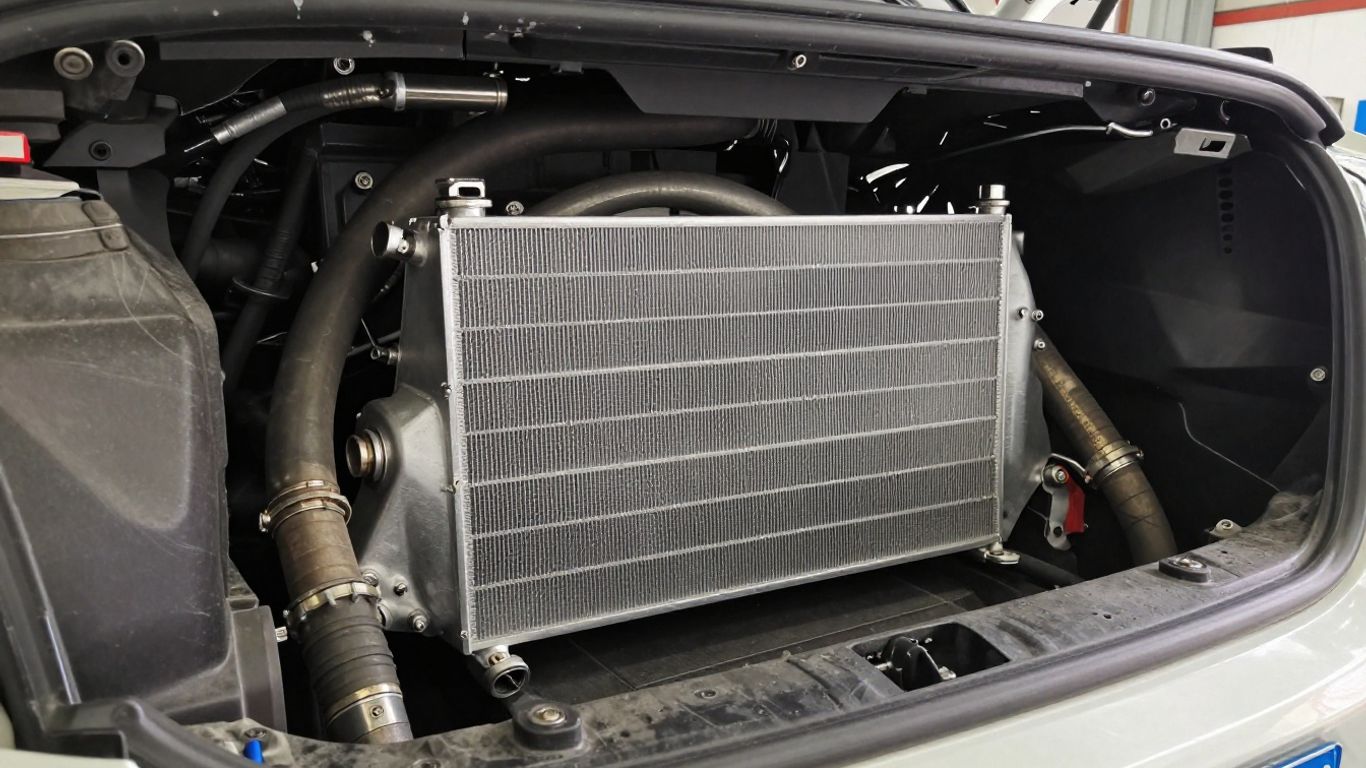
Maintaining stable operating temperatures is the core requirement for preserving engine health during demanding driving situations. Without rigorous thermal management, the efficiency of your internal combustion system drops as heat soak saturates sensitive components. Many enthusiasts opt for Mercedes-Benz inline-4 cylinder engines upgrades that target the heat exchange pathways to ensure consistent torque delivery.
| System Component | Primary Benefit | Typical Application |
|---|---|---|
| Intercooler | Reduces air temps | Forced Induction |
| Oil Cooler | Prolongs fluid life | Track Performance |
| Aluminum Radiator | Higher heat capacity | Daily Aggressive |
These additions offer significant advantages for maintaining optimal operating windows under high load. When these systems are paired with professional installation and regular fluid service, the overall reliability of the powertrain is greatly enhanced.
Upgraded intercoolers for forced induction models
Larger frontal area intercoolers provide superior heat dissipation for compressed air exiting the turbochargers. This ensures the air charge entering the intake manifold remains consistently cool during repeated acceleration sessions.
Higher-capacity oil coolers for track use
Oil temperatures increase sharply under heavy stress, which can lead to oil breakdown and reduced lubrication quality. Dedicated coolers allow for efficient heat extraction while keeping oil pressure stable over extended driving durations.
Utilizing performance-grade coolant additives
These additives lower the surface tension of the fluid, which improves the direct heat transfer during the cooling cycle. They serve as an excellent supplemental measure for daily driving or light track use.
The role of thermal management in preventing heat soak
Effective thermal control prevents the engine from entering limp-home modes designed to protect the system from long-term damage in hot climates. Consistent management keeps the engine working within its ideal temperature range for maximum power.
Maintenance and preventative care for peak output
Keeping your engine in factory-fresh condition is the prerequisite for any long-term performance gains. Regular inspection of the fuel system and ignition hardware ensures that the engine is never working against itself due to neglect or wear. By adhering to a rigorous update schedule, you protect your investment while ensuring the power levels remain consistent.
Fuel system cleaning and injector maintenance
Clean fuel injectors ensure a precise spray pattern, which is vital for efficient combustion and preventing misfire codes under load. Regular diagnostic checks help identify minor issues before they manifest as power loss.
The importance of using high-octane fuels
High-performance engines require fuel that resists pre-ignition under compression. Using the manufacturer-recommended octane rating is the simplest way to ensure the engine management system does not pull timing and reduce power output.
Upgrading to performance-grade spark plugs
Specialized spark plugs provide a more stable ignition event, especially under high boost or elevated combustion temperatures. This simple change improves engine smooth-running characteristics and prevents minor ignition delays.
Monitoring engine health with diagnostic tools
Utilizing tools like a Mercedes performance chip allows owners to monitor real-time data from the OBD2 port. These insights ensure the engine parameters remain safe and optimized, providing peace of mind during daily operation.
Balancing drivetrain durability with power
When engine power increases significantly, the rest of the drivetrain must be evaluated to ensure it can handle the extra torque. Upgrading components or adjusting transmission software ensures that power is not stifled by protective limits designed for much lower outputs. A cohesive approach to the entire powertrain allows for a truly refined driving experience.
TCU tuning for faster shift times
Transmission control unit modifications decrease the time between gear changes, resulting in a more connected feeling between the pedals and the road. These adjustments allow the transmission to hold power effectively while shifting at higher rpm thresholds.
Managing increased torque loads on axles
Increased power output places additional strain on axle joints and driveshaft components. Regular inspections are mandatory to ensure that excessive wear is caught early, preventing sudden mechanical failure during high-torque driving.
Drivetrain fluid selections for high-output engines
Using high-grade synthetic lubricants in the transmission and differential is critical when running significantly more power than factory specifications. Fresh fluids significantly reduce friction and heat, extending the life of high-output drivetrain setups.
Identifying failure points in stock hardware
Understanding the physical limits of factory bushings and hardware allows owners to perform upgrades to mounts or control arms. Strengthening these areas prevents wheel hop and provides a more planted, controlled feeling under heavy acceleration.
Conclusion
Successfully enhancing your vehicle requires a balanced perspective that values longevity as much as immediate output, ensuring the final setup is sustainable for all driving conditions. By systematically upgrading air intake, exhaust, cooling, and maintenance routines, you can achieve a sophisticated and responsive vehicle that maximizes the core engineering of the platform. Always prioritize reliable, proven components and professional expertise when moving forward with your custom configuration to enjoy a seamless transition toward better driving dynamics.
Frequently Asked Questions
How often should I monitor my engine’s health after tuning?
Regular monitoring is recommended every few thousand miles or before any spirited driving session to ensure all sensor readings remain within safe factory thresholds.
Can performance tuning be reverted to factory settings?
Yes, most high-quality software solutions allow for a return to stock parameters through the port used for the initial installation.
Does upgrading the intake affect emissions compliance?
High-quality intake systems are usually designed to operate within factory air-fuel requirements, but you should always check local, site-specific, or regional environmental regulations.
What are the main signs that an engine is heat soaked?
Common signs include a noticeable drop in acceleration responsiveness, higher-than-normal coolant or oil temperature readings, and inconsistent idle quality during warm weather operations.
Are performance spark plugs necessary for stage 1 tunes?
While not always strictly mandatory for minor power increases, they provide better ignition stability and are widely considered a best practice for maintaining optimal long-term health.
Will a stiffer exhaust system increase vibration in the cabin?
Depending on the design and material, some performance-focused exhausts may introduce a subtle increase in resonance, but high-quality cat-back designs focus on deep pitches rather than intrusive vibrations.
Is upgrading drivetrain fluids essential for high performance?
Upgraded fluids are highly recommended because they help manage the increased heat and mechanical friction associated with higher torque delivery, significantly improving drivetrain longevity.