
Key Takeaways
Upgrading your vehicle requires balancing performance gains with reliable component selection. Focus on areas that offer the most impact for your daily driving experience.
- High-flow filters improve intake efficiency.
- Forged wheels reduce unsprung weight.
- Ceramic pads provide better stopping power.
- Carbon aero parts enhance downforce and aesthetics.
- Proper cooling prevents heat soak during spirited drives.
1. High-flow air filters
Upgrading your factory air intake is often the first step for anyone looking to refine their engine’s breathability. These filters are designed to provide a higher volume of air to the combustion chamber without sacrificing filtration quality. By reducing the physical restriction found in standard paper elements, you allow your engine to respond more effectively during acceleration.
Finding genuine Mercedes-Benz AMG parts and tools ensures that your engine maintenance retains the precise engineering standards expected by the manufacturer. These components are specifically matched to original housing dimensions, making the installation process straightforward for the home mechanic. They effectively support the engine’s performance across various RPM ranges while remaining a simple swap for your stock filter.
Consistent airflow is essential for maintaining consistent power delivery under load. When your engine can draw air more easily, it avoids the strain often caused by clogged or restrictive media. This upgrade offers a subtle but immediate improvement in throttle response that many drivers notice during regular commutes or weekend driving.
2. Lightweight forged wheels
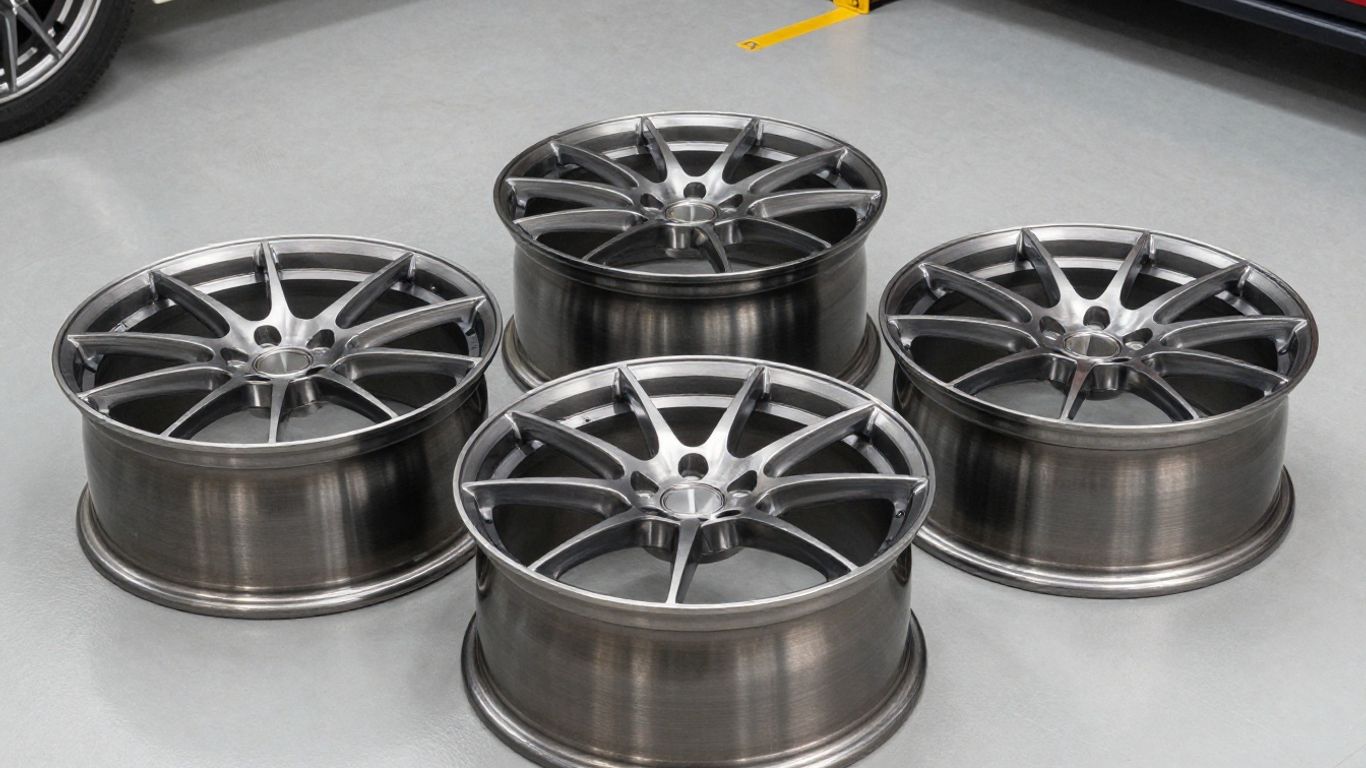
Reducing unsprung weight is a foundational strategy in automotive enhancement because it directly improves how the vehicle handles road imperfections. Forged wheels offer a significantly higher strength-to-weight ratio compared to typical cast alternatives, allowing the suspension to react faster to bumps and corners. This change results in a more composed ride quality and sharper steering feedback.
When exploring the Mercedes-Benz Used Parts Shop, enthusiasts often find high-quality rim options that match factory specifications while providing the durability needed for track and road use. A lighter wheel setup minimizes rotational inertia, enabling the car to accelerate and decelerate with less effort from the powertrain. These wheels act as a primary interface between the vehicle and the surface, making them a high-value upgrade.
Investment in high-quality wheels pays dividends in both aesthetics and long-term vehicle dynamics. By choosing a design that complements the existing body lines, you visually transform the stance of the car while benefiting from improved mechanical efficiency. It is a modification that consistently provides a tangible difference in the behind-the-wheel experience.
3. High-performance brake pads
Upgrading to high-performance brake pads is vital for maintaining control during spirited driving or emergency maneuvers. The friction materials used in these pads are specifically engineered to withstand higher thermal stresses without fading, which is an common issue with standard components. If you find your pedal travel increasing after aggressive use, a move to firmer, track-ready pads solves that inconsistency.
| Pad Type | Ideal Environment | Braking Feel |
|---|---|---|
| Street Performance | Daily commute | Linear and quiet |
| Sport Ceramic | Dynamic driving | Consistent feedback |
| Track Compound | High-intensity circuits | Immediate and firm |
This table highlights why selecting the right material is essential for your specific habits, ensuring your stopping hardware is optimized. Whether you are navigating heavy traffic or winding mountain roads, the right pad selection provides the confidence needed to drive with precise car control in every situation. Balancing aggressive bite with street-friendly noise levels is the primary goal for most owners.
Properly bedded brake pads ensure that your rotor surface remains clean and clear of pad deposits. This practice extends the lifespan of your braking hardware and maintains optimal friction levels under varying weather conditions. Regular inspection of these pads during oil service appointments prevents unexpected issues on the road.
4. Carbon fiber exterior aerodynamic kits
Integrating carbon fiber components provides a mix of functional downforce and modern aesthetics that define contemporary performance styling. These kits often include side skirts and trunk spoilers that disrupt airflow patterns to keep the vehicle planted at higher speeds. Beyond the visual appeal, the weight savings compared to heavy plastic or factory trim are a beneficial byproduct of the material.
Commonly replaced items during an exterior refresh include several specific components that contribute to the overall balance of the car. When modifying for performance, consider the following elements:
- Rear trunk spoiler for improved rear-end stability
- Side mirror covers for reduced drag and cleaner looks
- Side rocker panels for better under-car airflow
- Carbon roof caps to manage canopy wind resistance
After installing these pieces, the vehicle often exhibits more stability during lane changes or highway maneuvers. The transformation is not just cosmetic, as the added rigidity of the materials provides a more factory-integrated finish. Properly secured carbon fiber also stands up well to standard weather conditions and routine cleaning.
5. ECU performance tuning modules
ECU tuning modules are refined tools that adjust the engine management parameters to optimize fueling and boost levels. By subtly changing these values, the module unlocks a broader power band, resulting in more usable torque throughout the acceleration curve. This is an effective way to extract a bit more responsiveness from a modern turbocharged engine design.
If you are searching for aftermarket auto parts to personalize your driving experience, choosing a reputable tuning module ensures that safety parameters remain intact. These devices effectively communicate with the onboard systems, providing a safer way to raise performance limits compared to generic flashing methods. It allows for a more personalized output that aligns with your specific engine health.
Modern tuning technology allows for data logging and adjustability, which is a major advantage for owners living in areas with varying fuel qualities. By keeping an eye on engine telemetry, you can realize the potential of your power plant without pushing it into unsafe territory. It is truly an enhancement of existing potential rather than a radical change.
6. Stainless steel cat-back exhaust systems
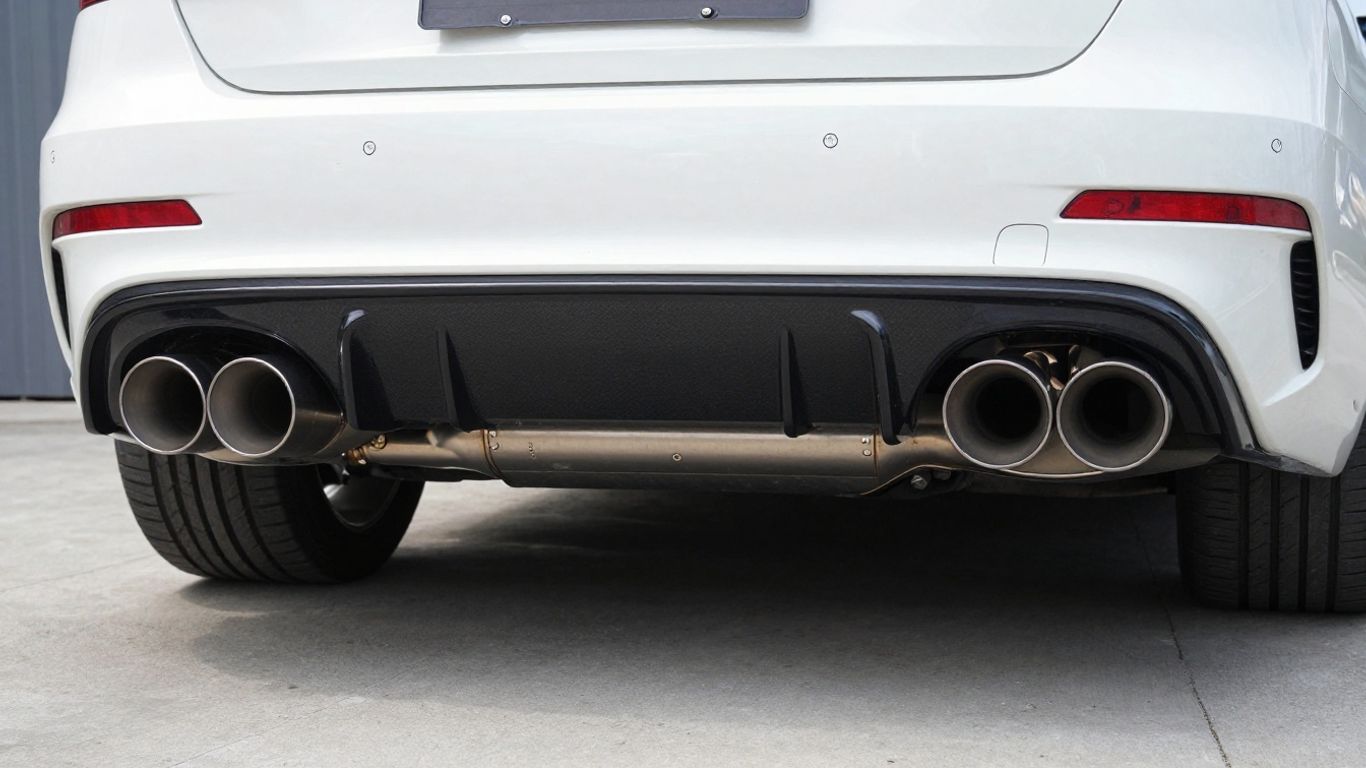
A stainless steel cat-back exhaust system is widely considered the standard for those seeking a more spirited auditory experience. These systems remove restrictive factory mufflers and resonators, replacing them with smoother, larger-diameter piping. This reduction in backpressure allows the engine to exhale more freely, which often correlates with a deeper, more aggressive engine note.
Clients utilizing VRP Speed services often look for systems that maintain a drone-free tone at highway speeds. This balance is crucial for vehicles that serve as both daily drivers and weekend project cars. The construction quality, including mandate-grade stainless steel welds, ensures that the system survives harsh winters and moisture without succumbing to rust.
Beyond sound, the weight savings from replacing heavy, chambered steel mufflers with a high-flow system contribute to a noticeable change in agility. The improved sound profile creates a deeper emotional connection with the vehicle, marking one of the most rewarding modifications available for an enthusiast.
7. Adjustable lowering springs and coilover kits
Lowering your vehicle is the most effective way to change its handling characteristics and overall road presence. By bringing the center of gravity closer to the ground, you minimize body roll during cornering and enable the suspension to stay flatter through transitions. These kits offer adjustable height settings so you can fine-tune the look while maintaining necessary ground clearance.
When choosing a suspension setup, consider the valving characteristics of the dampers. Quality coilovers include independent compression and rebound settings, allowing for a ride that can be stiffened for the track or softened for urban roads. This versatility is perfect for drivers who want to adapt their car for different driving seasons or regional road conditions.
Installation requires precision to ensure proper alignment settings are achieved. After the vehicle has settled on its new springs or coils, a professional alignment is non-negotiable to prevent uneven tire wear and ensure the car tracks straight. Proper maintenance includes checking the collar threads on coilovers periodically to prevent binding from road debris.
8. Upgraded intercoolers and cooling systems
Effective heat management is the absolute key to maintaining performance during long drives or high-intensity bursts. An upgraded intercooler provides a larger surface area for heat exchange, which keeps the intake charge temperature significantly lower than the stock unit. This density allows for a more controlled combustion cycle, preventing the timing retard often associated with engine heat soak.
Supplementing this with larger cooling capacities or high-flow water pumps ensures that the engine stays within its ideal temperature window. By lowering fluid temperatures, you protect internal components from the degradation caused by extreme thermal cycles. This is an essential modification for those who live in warm climates or frequently drive through congested stop-and-go traffic.
Consistency is the hallmark of a well-cooled engine. When the cooling system keeps up with demand, you avoid the gradual power loss that happens when the car tries to protect itself from overheating. It allows you to repeat strong pulls without worrying about the integrity of your engine’s internal parts.
9. Front lip splitters and rear diffusers
Front lip splitters play a vital role in directing air away from the underside of the bumper. By creating a high-pressure zone on top of the splitter, you add downward force that improves traction at the front wheels. When browsing for A-Class aftermarket parts, you will find various designs that balance aggressive aesthetics with the functionality required for daily road driving.
Rear diffusers perform the opposite task by encouraging air to expand properly as it leaves the undercarriage. This process reduces the chaotic wake formed behind the rear bumper, which helps in preventing aerodynamic drag. The result is a cleaner air transition that supports more stable handling at high speeds while providing a race-inspired styling update.
These components are often constructed from resilient materials designed to handle the impact of road debris and minor curbside brushes. Installation usually involves factory mounting points to ensure the piece stays secure even at freeway speeds. It is one of the quickest ways to change the visual profile of your vehicle while adding genuine aerodynamic benefits.
10. Interior carbon trim and performance steering wheels
Touching the interior surfaces is where the driver interacts most directly with the car’s character. Replacing plastic trim with carbon fiber pieces transforms the cockpit into a space that feels both premium and purposeful. The reduction in weight is minimal, but the tactile change and the visual depth of the weave significantly enhance the cabin’s atmosphere.
Performance steering wheels offer thicker grips, ergonomic thumb rests, and material finishes like Alcantara or perforated leather. These features provide a superior grip during tight maneuvers, reducing the effort needed to make subtle steering corrections. Because your hands are on the wheel constantly, upgrading this contact point is perhaps the most frequent reminder of the performance-minded changes you have made.
Maintaining these upgraded interiors involves simple cleaning routines that prevent material fatigue. By treating your steering wheel and trim with non-abrasive products, you keep the finish looking new for years to come. This final upgrade bridges the gap between raw mechanical performance and the everyday enjoyment of the vehicle’s interior.
Conclusion
Selecting the right parts for your performance vehicle allows you to achieve a balanced blend of speed, reliability, and visual refinement that elevates your daily driving experience. Focus on components that align with your specific goals, ensuring each modification works in harmony with the car’s existing engineering. With careful installation and proper maintenance, your car will continue to deliver an exceptional experience on every road you choose to travel, providing satisfaction that only comes from a well-thought-out build.
Frequently Asked Questions
How often should I replace high-flow air filters?
Manufacturers typically recommend cleaning these filters every 10,000 to 15,000 miles, though you should inspect them sooner if you frequently drive in dusty or debris-heavy environments.
Can suspension upgrades make my ride too stiff for daily use?
Adjustable coilover systems are specifically designed to offer both firm handling and a compliant street ride, allowing you to find a perfect balance by setting the dampening levels to your preference.
Do aerodynamic upgrades actually affect fuel economy?
While splitters and spoilers primarily manage airflow to improve stability and downforce, a cleaner aerodynamic profile may lead to slight efficiency gains during high-speed highway cruising.
Is it necessary to tune the ECU after installing exhaust components?
While a full tune is not always mandatory for cat-back systems, it can help the engine electronics adapt more efficiently to the reduced backpressure, maximizing the performance gains of the new exhaust.
How do lightweight wheels affect tire performance?
Reducing wheel weight lowers the unsprung mass, allowing tires to maintain better contact with the road surface over bumps and uneven pavement, which generally improves overall grip.
Are carbon fiber parts difficult to install?
Most exterior carbon kits are designed to mount using existing factory points, though fitment can benefit from professional installation to ensure consistent panel gaps and structural rigidity.
Should I upgrade my cooling system before adding power?
Yes, ensuring that your engine can dissipate heat effectively is a prerequisite for any further power upgrades, as it protects your engine from thermal limitations during repeated use.