
Key Takeaways
Upgrading your vehicle’s braking capability is a critical step for drivers seeking better stopping power and thermal management. This guide covers the essential technical aspects of enhancing your stopping system.
- Identify the core drivers for upgrading, such as daily safety or track requirements.
- Learn how friction compounds and rotor designs directly impact performance.
- Understand the importance of hydraulic system health and brake fluid maintenance.
- Carefully evaluate wheel clearance and chassis mounting to ensure proper integration.
- Follow formal bedding procedures to maximize the lifespan and effectiveness of new components.
Understanding your motive for a brake upgrade
Deciding to modify a vehicle’s braking system is rarely a simple cosmetic choice. For many owners, it stems from a desire to match stopping performance with aggressive driving habits, increased vehicle weight, or the physical demands of modern road conditions. Understanding the specific motivation is the first step toward building a safer, more responsive machine.
Improving daily driving and safety
Daily street driving often reveals limitations in factory braking, especially during panic stops or heavy traffic scenarios. Consistent, predictable pedal feel is a primary goal for performance enthusiasts who want to feel confident in every commute. Upgrading to higher-quality brake upgrades allows drivers to improve their car’s reliability and response times during routine highway stops.
Handling increased horsepower builds
When engine modifications significantly boost power, factory brakes often become the weak link. Higher speeds necessitate better thermal threshold and stopping torque to bring the vehicle down from high velocity safely. Experienced tuners often cite Agile Offroad Alcon Big Brake Upgrade as a path to managing weight-heavy vans that require significantly more torque than sports cars.
Preparing for track day performance
Dedicated track enthusiasts demand equipment that resists brake fade over multiple laps under high temperatures. Serious track performance requires high-performance Brembo Gran Turismo systems, which provide the thermal capacity necessary to maintain pedal consistency in harsh conditions. These setups excel when repetitive, threshold braking is the norm.
Restoring performance on vintage models
Classic vehicles benefit immensely from modern advancements in metallurgy and fluid dynamics that were unavailable when they left the factory. Utilizing a CEIKA Custom Big Brake Kit can rejuvenate an aging chassis by providing modern safety standards while maintaining the vintage aesthetic. It is a popular way to ensure that classic driving remains a safe and enjoyable hobby.
Key components of a Mercedes braking system
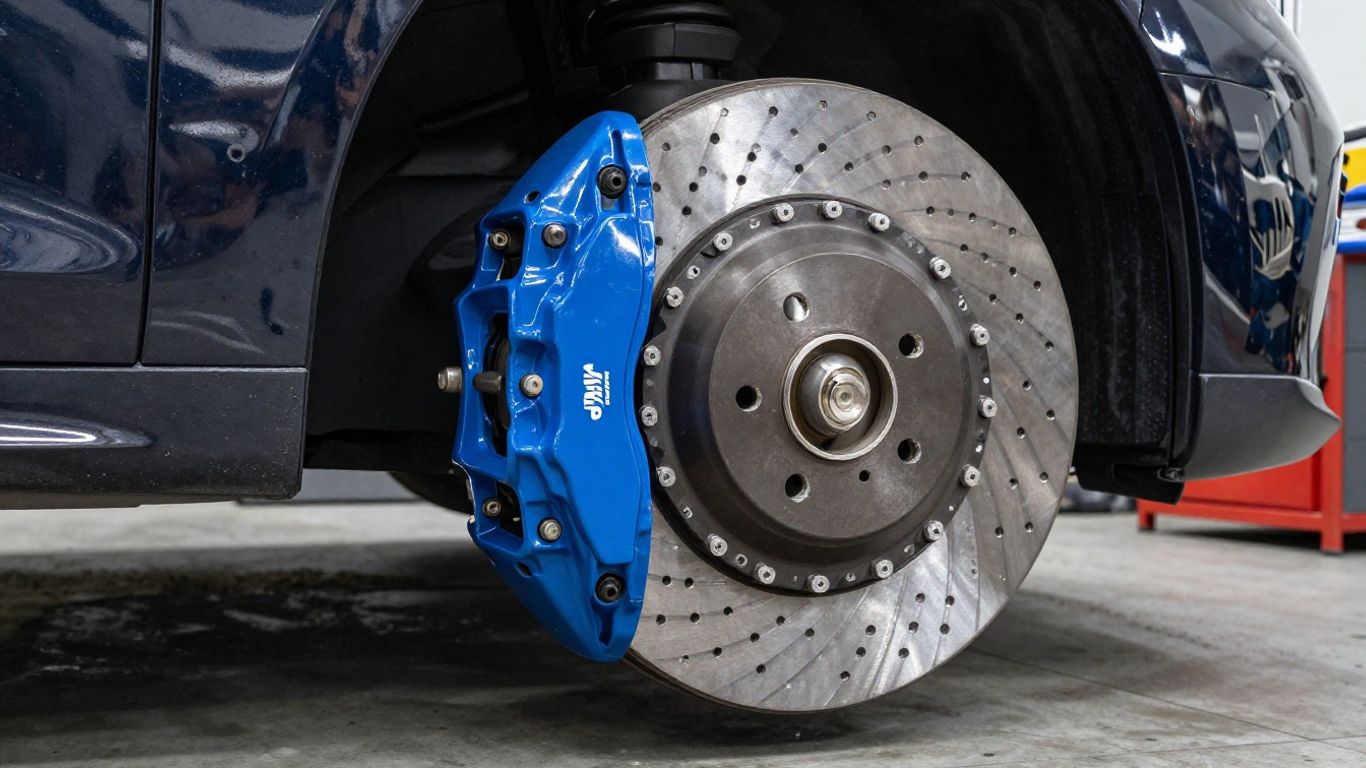
Understanding how force is transferred from the pedal to the wheel hub is essential for anyone considering a swap. The system relies on a delicate balance of hydraulic pressure, heat dissipation, and friction. When choosing parts like those listed by Braking Solutions, prioritize parts that are documented to match the specific thermal loads your vehicle encounters.
Performance brake pads and their friction compounds
Pad compounds dictate how the vehicle responds to cold starts versus high-heat sessions on the track. Street compounds typically focus on lower dust and noise, while track pads favor an aggressive bite at elevated temperatures. Choosing the right friction profile is key to ensuring that the pedal feel remains linear and predictable even under intense stress.
Rotors, coatings, and ventilation designs
Rotors act as the primary heat sink for the entire braking assembly. Modern ventilation designs work to pull air through the center of the disc, preventing the pad material from overheating. Advanced coatings also protect against premature surface rust and salt damage for vehicles that see frequent precipitation or environmental exposure.
The role of stainless steel brake lines
Factory rubber lines have a tendency to expand under pressure, which contributes to a mushy or inconsistent brake pedal feel. Replacing these with braided stainless steel lines ensures that the pressure applied at the pedal is transmitted immediately to the calipers. This is one of the most cost-effective ways to sharpen the response of any braking system.
Brake fluid grades and boiling points
Brake fluid is the most overlooked component of the entire hydraulic chain. High-performance fluids have higher dry and wet boiling points, which are crucial for preventing the fluid from vaporizing during aggressive use. Maintaining a fresh supply of high-grade fluid prevents the dreaded spongey pedal that occurs when microscopic bubbles of steam form within the lines.
Selecting the right upgrade path
Determining the right path requires matching the hardware to your vehicle’s current performance envelope. There is a broad market for upgrades, but avoiding unnecessary complexity is vital for long-term reliability and ease of service.
Replacing components with OEM high-performance parts
Sometimes, the simplest path is to source factory-authorized high-performance components that were intended for higher-tier variants of your specific model. This ensures a guaranteed fit and function within the existing system. It is a clean, reliable way to boost capability without complicated custom bracketry or complex installation steps.
Installing aftermarket big brake kits
Big brake kits represent a significant leap in potential performance by moving the heat profile away from the hub. These kits frequently include larger, multi-piston calipers that distribute clamping force more evenly across the pad surface. Below is a breakdown of common caliper configurations found in performance kits:
| Caliper Type | Piston Count | Primary Benefit |
|---|---|---|
| Fixed Caliper | 4-Piston | Balanced pressure distribution |
| Performance Monoblock | 6-Piston | High clamping force |
| Floating Caliper | 1-Piston | Compact, cost effective |
These components typically work best when paired with properly sized rotors to maximize the surface area during high-energy stops.
Upgrading from floating to fixed calipers
Fixed calipers are rigidly mounted to the wheel knuckle, providing a more direct and precise clamping action. Unlike floating calipers which slide on pins, fixed units rely on opposed pistons to move the pads without deflection. The increased rigidity results in a significantly tighter connection between driver input and deceleration.
Choosing between one-piece and two-piece rotors
Two-piece rotors use a separate center hat and outer friction ring to optimize weight and heat expansion control. This design assists in preventing rotor warping after hard driving sessions. While more expensive, they provide reduced unsprung weight, which improves overall steering and suspension handling significantly.
Compatibility and integration
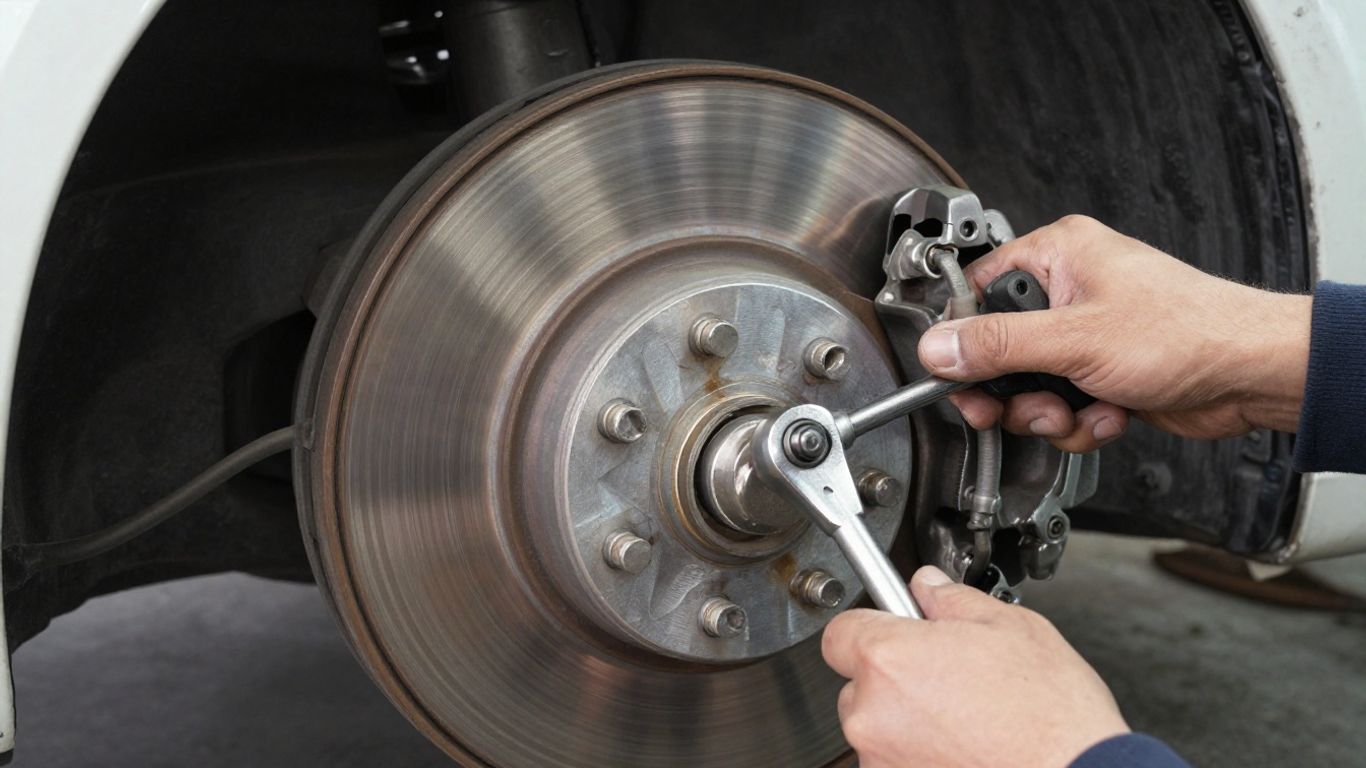
Ensuring that your new components physically and electronically integrate with the car is the most overlooked part of the process. A mistake here can lead to clearance issues, ABS faults, or dangerous brake bias scenarios. Consult your local SEM agency lead for advice on digital analytics and tracking which might include performance monitoring tools.
Matching brake requirements to wheel clearance
Larger rotors and calipers have a physical footprint that often interferes with the internal barrel of smaller wheels. Always check the offset requirements and radial clearance before purchasing any hardware. If the new brakes rub against the rim, it will lead to immediate damage to both the wheels and the braking components.
Balancing front-to-rear brake bias
Significant changes to the front braking system can shift the brake bias forward, resulting in poor stability during hard stops. You need an effectively balanced brake pressure distribution across the entire vehicle. Failing to address rear bias often leads to lock-up conditions or poor performance when you need to maintain control under load.
Integrating with factory ABS and stability control systems
Modern cars rely on sophisticated software to manage hydraulic pressure during emergencies. An improperly matched master cylinder volume can confuse the ECU and trigger warning lights or trigger stability interventions prematurely. The installation must allow the ABS to regulate wheel speed properly for the system to remain functional.
Checking for chassis and hub mounting constraints
Before finalizing the order, inspect the mounting points on the hub for clearance and bolt patterns. Some kits require specific hub sizes, and others include adapters that can affect the alignment or track width of the vehicle. If you encounter issues while looking for service, make sure the Terms and Conditions for shipping and liability are understood clearly before moving forward.
Essential tools and installation preparation
Proper work requires the right automotive kit, and rushing through hardware installation is the primary cause of future failures. Taking the time to prepare the workshop area ensures quality outcomes. You might consider browsing LED modules for auxiliary work lighting to verify that the workspace is perfectly illuminated during the bleeding process.
Gathering the necessary automotive toolset
Ensure you have a complete set of metric wrenches, impact sockets, and long-arm ratchets. A torque wrench is non-negotiable when dealing with brake hardware, as uneven torquing can lead to rotor deformation and vibration. Keeping your workspace clean is an essential step toward success.
Managing brake fluid spills and environmental safety
Brake fluid is highly effective at stripping paint from aluminum and clear coat, requiring extreme caution during fluid changes. Use a dedicated tray to catch drips and keep a supply of rags nearby to address spills immediately. Proper disposal is mandated by environmental safety regulations.
Proper vehicle stabilization on jack stands
Never rely on a hydraulic floor jack to support the weight of the vehicle while working inside the wheel assembly. Always place the vehicle firmly on certified jack stands on a flat concrete surface. This simple step prevents shifting and ensures a safe working environment.
Accessing specialized Mercedes diagnostic tools
Depending on the vehicle’s electronic complexity, you may need a proprietary diagnostic interface to cycle the ABS pump during the bleeding procedure. Without this interaction with the car’s computer, air trapped in the electronic pump assembly can persist, resulting in a spongy brake feel regardless of how many manual bleeds you perform.
Maintenance and system bedding procedures
Once the hardware is bolted on, the final and most important phase begins with the bedding process. Bedding builds a transfer layer of pad material onto the rotor, which is necessary for consistent friction and longevity. Without this intentional wear-in period, the brakes may squeal or perform at less than optimal efficiency.
Following manufacturer-recommended bedding processes
Manufacturers provide specific protocols involving controlled speed-to-stop sequences. These sequences are designed to progressively heat the rotors and pads, forcing the binding agents to outgas and bond correctly. Following this process creates a reliable friction surface that avoids the risk of uneven pad deposit accumulation.
Monitoring hydraulic system health and moisture levels
Brake fluid is hygroscopic, meaning it absorbs water from the atmosphere over time. This water lowers the boiling point of the fluid quite significantly, leading to fade in high-heat situations. Regularly test the fluid for copper content or moisture levels to know when it is time for a flush.
Conducting recurring safety inspections
Set a schedule to check the condition of your pads and rotors during tire rotations or oil changes. Look for deep scores on the rotor face, thinning friction material, or cracked dust boots on the calipers. Small issues addressed early prevent the need for expensive repairs down the line.
Recognizing the signs of hardware fatigue
Even high-end, forged components can eventually experience stress-related strain from years of use on rough roads. Below is a list of indicators that your hardware has reached the end of its useful lifespan:
- Excessive and constant vibration during light to moderate pressure
- Visible cracks propagating from the rotor drill holes
- Seized caliper pistons resulting in uneven pad wear patterns
- A recurring pedal spongeiness that returns quickly after a flush
Addressing these symptoms promptly preserves the safety of the vehicle and ensures that performance remains at a high level.
Conclusion
Enhancing a braking system is a rewarding process that combines technical planning with the practical satisfaction of a more precise driving experience. By focusing on quality components, precise installation, and consistent maintenance, you ensure that your vehicle remains both high-performing and safe under all circumstances. Whether you are improving your daily commute or preparing for occasional track outings, the investment in your braking capability provides lasting improvements in control and peace of mind.
Frequently Asked Questions
Can I install performance brakes on my stock wheels?
It depends entirely on the kit dimensions, as many high-performance upgrades require a larger wheel barrel or specific offset to clear the caliper housing.
How often should I flush my brake fluid?
Most manufacturers recommend replacing brake fluid every two years or every 20,000 miles to manage water absorption and maintain consistent boiling points.
Will performance pads generate more brake dust?
Many high-performance friction compounds utilize metallic bases that naturally produce more dust during operation compared to standard ceramic, low-dust alternatives.
Is bedding necessary for daily street driving?
Yes, bedding is essential for every brake upgrade, regardless of intended usage, to ensure the pads and rotors provide predictable stopping force right from the start.
Does adding bigger rotors increase heat capacity?
Larger rotors provide more surface area and typically have greater thermal mass, which allows them to absorb and dissipate heat more effectively during aggressive braking cycles.
Should I always upgrade front and rear brakes simultaneously?
While front brakes handle the majority of the stopping torque, balancing the system is important, though many enthusiasts choose to focus on the front initially if the upgrade strategy allows for safe bias maintenance.
What are the main signs that my brake lines are failing?
Soft or fading pedal feel, visible surface fluid leaks, and physical cracking or bulging in the rubber casing indicate that the original brake lines need immediate replacement.