

Key Takeaways
Upgrading a Mercedes exhaust setup provides significant improvements to both engine sound and performance efficiency. These upgrades must balance desired acoustics with legal emission standards for a road-legal build.
- Factory exhaust systems prioritize cabin silence, creating a prime opportunity for performance improvements.
- Stainless steel construction offers the best balance of longevity and weight for most street vehicles.
- Downpipe modifications provide the most noticeable power gains but require caution regarding emissions sensors.
- Proper welding and installation prevent unwanted chassis vibrations and metallic rattles over time.
- Matching components to your specific Mercedes model ensures seamless integration and fitment accuracy.
Understanding your Mercedes exhaust system
Most factory exhaust systems on modern vehicles are designed with a heavy emphasis on cabin comfort and emission regulation rather than maximum power. Engineers use restrictive mufflers and multiple resonators to stifle the engine noise, which significantly limits air velocity. By analyzing how your car handles exhaust gasses, you can identify which sections of the line are creating the most drag.
Components of a factory exhaust setup
A typical stock layout includes the downpipes directly connected to the turbochargers, followed by secondary catalysts, resonators, and a bulky rear muffler. These components work together to provide a muffled exhaust note that suits quiet luxury standards. You might notice heavy steel chambers that are designed to absorb sound waves, which unfortunately creates significant resistance against the escaping gasses.
Identifying restrictions in stock piping
Restrictions often occur where piping diameters narrow or where bends are crushed during the manufacturing process. By using high-performance exhaust systems, you can swap these restrictive bottlenecks for systems that maintain uniform diameters. Assessing your current piping path is critical because sharp angles cause turbulence that slows down the evacuation of combustion fumes from your engine block.
How exhaust flow impacts engine efficiency
Engine efficiency is tied directly to how easily a cylinder can clear burned fumes after combustion. When the system is restricted, the engine faces backpressure, which prevents the intake cycle from performing at its peak potential. Improving the geometry allows for a substantial boost in power and throttle response as the engine breathes more freely under heavy load.
Deciding between sound and performance goals
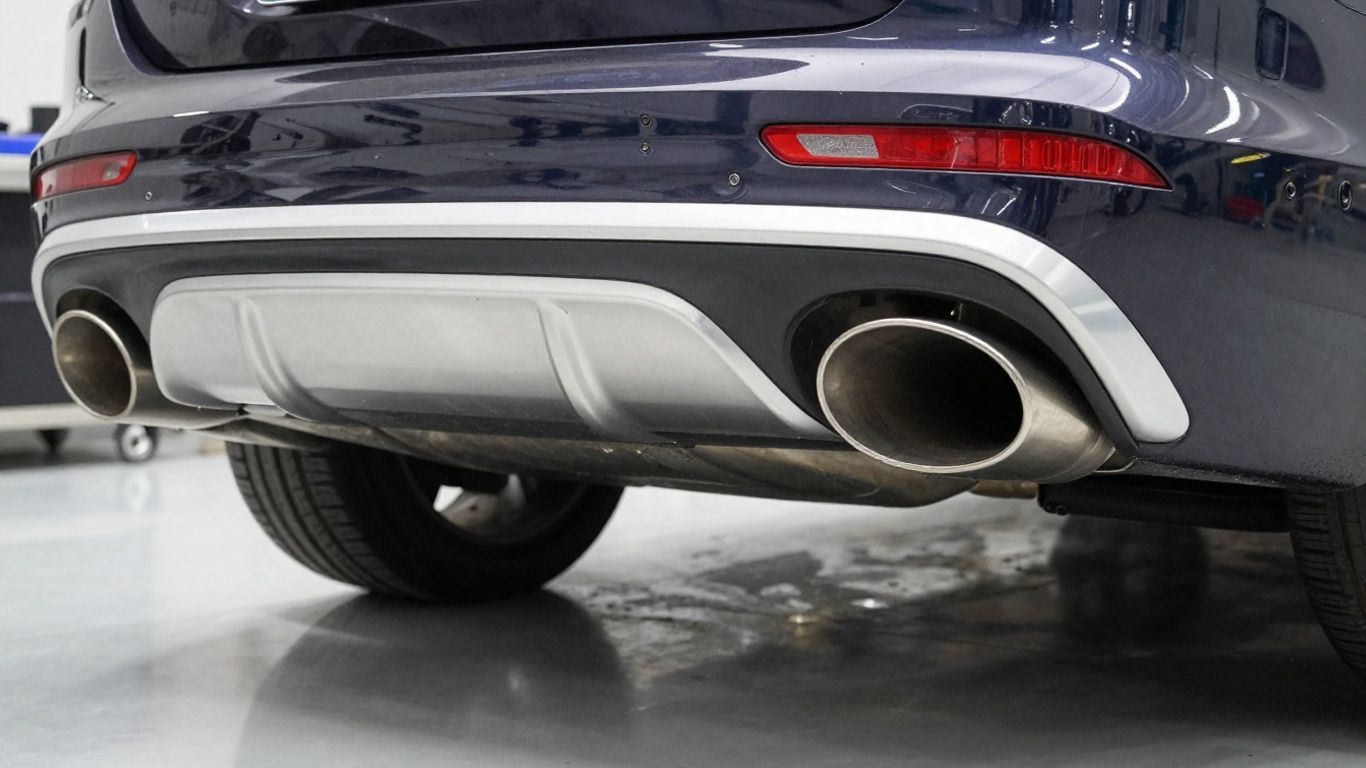
Setting a clear objective for your build helps determine whether you should focus on a simple muffler swap or a full system redesign. Performance enthusiasts usually place airflow volume above all else, while luxury drivers might seek a subtle increase in volume for a sporty feel. Defining this balance prevents you from choosing an exhaust that is either too quiet or potentially drone-prone at highway speeds.
Achieving a deeper or more aggressive exhaust note
To get a deeper, more aggressive note, replacing the center resonator is often the most effective route. By removing the central chamber that scrubs high-frequency sound, the exhaust note takes on a richer, more melodic quality. This transformation changes the character of the car without needing massive alterations to the engine’s internals.
Targeting specific horsepower and torque gains
If your goal is strictly power, you must prioritize downpipe upgrades and high-flow catalytic converters. These components reduce the heat and physical blockage immediately following the engine discharge. For those who want Mercedes exhaust systems that deliver on efficiency, combining intake and exhaust modifications creates a cohesive path for air transport.
Balancing aftermarket tone with cabin comfort
Achieving the right balance involves considering how your modifications reflect inside the cabin when cruising. While a loud tone at full throttle is exciting, highway drone can become frustrating if the pipe thickness and muffler quality are not optimized for resonance control. It is wise to consider valved setups that allow you to quiet the tone for daily commutes.
Common types of exhaust modifications
Choosing the right path requires understanding the trade-offs of each system architecture. Some modifications are focused on the tail end, while others tackle the system from the headers back, offering different impacts on the vehicle’s personality.
Cat-back exhaust systems versus axle-back systems
Cat-back systems replace everything from the catalytic converters to the tailpipes, offering the best overall sound modification. Axle-back systems, which only replace the rear muffler section, are generally cheaper and easier to install for those focused on slight tone changes. The following table differentiates these systems based on common project goals:
| Feature | Axle-back System | Cat-back System |
|---|---|---|
| Complexity | Low | Moderate |
| Power Gains | Minimal | Significant |
| Average Cost | Budget-friendly | Premium |
Downpipe upgrades for turbocharged engines
Downpipes are the most impactful change you can make on a forced-induction vehicle. By opening the path where exhaust exits the turbo, the compressor turbine can spool more efficiently and with less internal heat. This is a common performance upgrade but requires careful software considerations to ensure the engine management system recognizes the new flow rates. Integrating such hardware requires following proper System Integration Testing protocols to ensure all sensors report data correctly after installation. Integrating A-style G63 exhaust tips works well as a cosmetic topper after power mods.
Muffler replacements and resonator deletes
These modifications are popular for enthusiasts who want immediate auditory feedback. Common steps for these modifications include:
- Inspecting hangers for structural integrity before removing the old mufflers.
- Carefully measuring pipe diameter to ensure new outlets fit stock brackets.
- Utilizing specialized clamps to avoid permanent welding if you desire a reversible build.
- Ensuring the rear bumper has enough gap for new, larger diameter tips to prevent melting or heat damage.
Following these steps provides a budget-conscious way to reshape your car’s exterior stature and audio profile without altering the entire exhaust geometry.
Choosing the right materials and craftsmanship
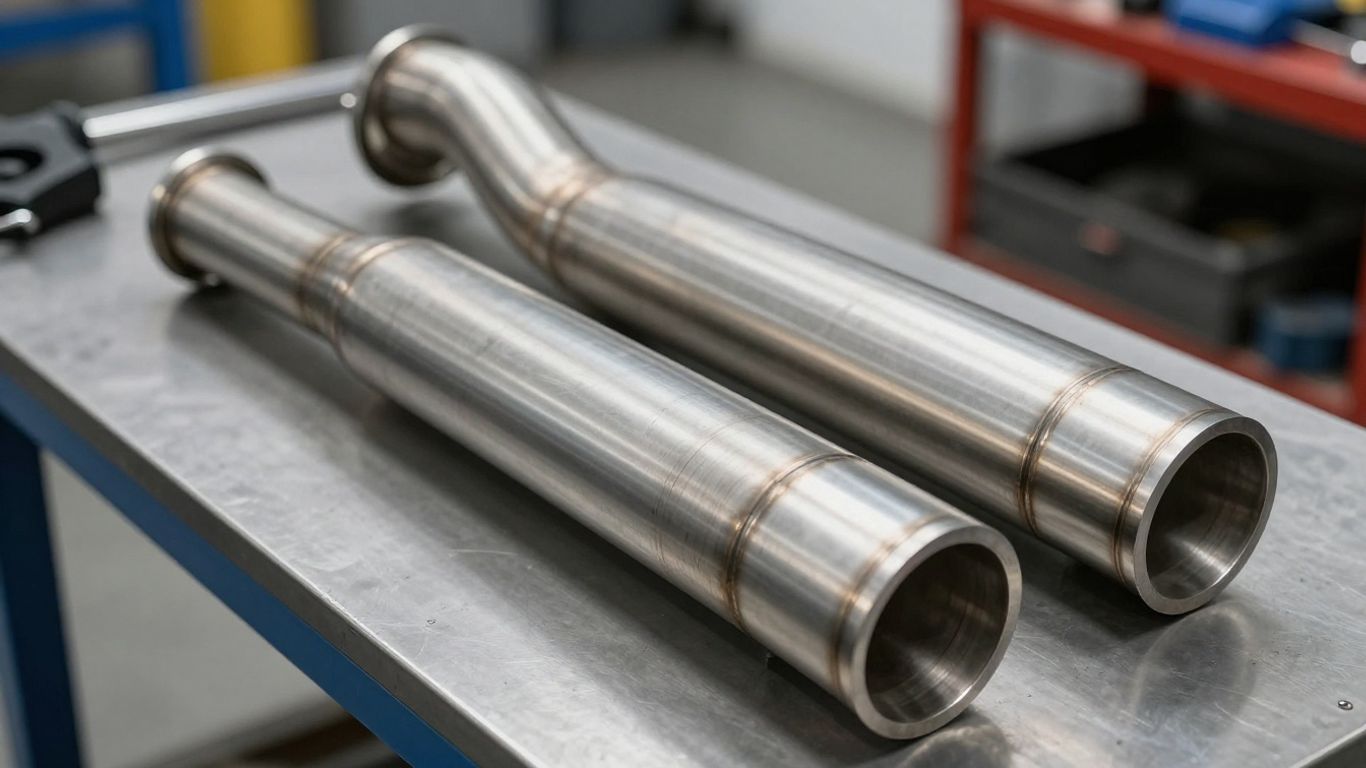
Selecting high-quality materials represents a significant investment in the longevity of your build. Lesser materials will corrode in humid or salty environments, leading to unsightly rust and potentially structural failure over time. Prioritizing corrosion-resistant alloys ensures your investment lasts for years of daily use.
Benefits of stainless steel over aluminized steel
Stainless steel provides superior durability compared to standard aluminized steel setups in high-moisture climates. It resists pitting and maintains its structural stiffness even when exposed to high heat cycles. If you are aiming for a long-term upgrade, stainless steel is essentially the industry standard for performance builders who want a set-it-and-forget-it solution. Improving your car’s rear appearance is a classic real estate SEO tactic for your personality-driven platform building.
The role of mandrel-bent piping in continuous airflow
Mandrel bending ensures the interior wall of the pipe remains smooth and unobstructed throughout a curve. Unlike crush bending, which can pinch the diameter of the pipe, mandrel bending maintains a consistent circular form. This consistency is crucial for gas flow velocity, as it eliminates the turbulence that would otherwise sap your engine’s potential performance gains.
Weight reduction considerations with titanium systems
Titanium is an exotic choice that offers the lightest weight possible for a performance build. Though expensive, it helps in reducing unsprung weight, which improves handling characteristics and vehicle agility during aggressive cornering. If you are building a track-focused machine, titanium provides a tangible benefit that goes beyond just exhaust flow improvement.
Legal and emissions compliance
It is vital to stay within the bounds of street legality when modifying your vehicle. Tampering with emissions equipment is a serious legal concern that could lead to inspection failures or fines in some jurisdictions. You should always ensure your chosen components maintain the efficacy of your car’s factory emission controls.
Navigating local exhaust noise ordinances
Many urban areas have strict decibel limits for passenger vehicles. Before selecting an aggressive system, check your local noise laws to ensure you won’t trigger noise complaints. Sometimes owning a property in a quiet area means you need to prioritize stealth, similar to investing in Wilmington real estate where quiet neighborhoods have specific nuisance rules.
Impact of aftermarket parts on vehicle warranties
Installing major engine-side exhaust parts can sometimes complicate warranty claims for certain components. While rear-end cosmetic changes are rarely an issue, significant modifications to the emission hardware or engine outputs may be flagged during service visits. Many owners choose to keep factory parts on hand just in case they need to revert for specific warranty coverage needs.
Importance of using emission-compliant components
Using catalytic converters that are certified for your vehicle ensures that you are reducing harmful pollutants as intended by law. Modern high-flow converters offer an excellent compromise, providing better airflow than stock cats while remaining fully street and emissions legal. This approach keeps your car performant, civil, and compliant with all relevant transportation authority standards.
Installation and long-term maintenance
Professional installation is the safest bet for ensuring long-term reliability of your exhaust components. The process of modifying a car, much like testing FSD capabilities in modern vehicles, requires thorough oversight to catch issues before they manifest as mechanical problems during daily operation.
DIY installation versus professional shop welding
Welding requires precision to ensure the exhaust does not leak and remains perfectly aligned under the chassis. While some axle-back systems are designed for bolt-on installation, a full system usually requires professional tools like a TIG welder to create joints that won’t crack under heavy thermal vibration. Hiring a local specialist ensures the work is done properly the first time.
Ensuring proper fitment to prevent chassis vibrations
Improperly installed systems often tap against the chassis, causing intrusive buzzing sounds. Mechanics will utilize quality rubber insulators and adjust the hanger positions until the pipe has adequate clearance from the frame and bodywork. This step is the difference between a clean, professional-sounding exhaust and a frustrating rattling vehicle.
Care and polishing tips for custom exhaust tips
For polished stainless or chrome tips, routine cleaning is required to maintain that showroom gleam. Use a high-quality metal polish a few times per season to prevent carbon buildup from becoming permanent. A well-maintained tip reflects as much on the owner’s care for their Mercedes as the engine tune itself.
Conclusion
Upgrading your exhaust is one of the most rewarding ways to personalize your vehicle’s personality and driving dynamics. By carefully selecting durable materials, respecting local emissions laws, and ensuring a professional installation, you can elevate your driving experience from daily commuter to an engaging and spirited ride, all while maintaining the refined legacy that defines the Mercedes brand.
Frequently Asked Questions
Will an aftermarket exhaust void my car warranty?
Generally, minor changes to cosmetic or rear-end sections are unlikely to impact warranties, but extensive modifications to engine-side emissions systems can lead to complications with coverage at your local dealership.
How much horsepower will a cat-back system add?
Power gains vary widely based on your specific engine and original factory restriction, but most owners see modest improvements in throttle response and a smoother power arc rather than massive peak-horsepower jumps alone.
Can I install an exhaust system at home?
If the system is a simple bolt-on piece, it can often be done with standard tools and lift access; however, systems that require custom welding or advanced software tuning should always be completed by a qualified professional.
Why does my new exhaust sound different inside the cabin?
Aftermarket exhausts often remove resonators that were designed to kill interior cabin frequencies, which can result in cabin drone at specific RPM ranges depending on the muffler design and pipe wall thickness.
How often should I clean my exhaust tips?
Cleaning your tips with a specialized metal polish every time you wash your car will prevent carbon deposits from baking onto the surface and keep them looking pristine for years to come.
Can I get better fuel efficiency with a new exhaust?
Improved exhaust flow can technically lead to slightly better engine breathing and marginal fuel efficiency gains, but these results are usually secondary to the performance and sound benefits that motivate most owners to upgrade.
What is the difference between a resonator and a muffler?
A muffler is designed to reflect and absorb sound waves to reach a target noise level, while a resonator is specifically tuned to cancel out drone-inducing frequencies without significantly restricting airflow through the tube.