

Key Takeaways
Upgrading a vehicle involves a careful balance between added power and maintained mechanical longevity. Following a structured approach ensures that every modification contributes to a cohesive, reliable driving experience.
- Prioritize engine breathing with high-flow intake and exhaust systems.
- Suspension modifications should align with your specific driving environment.
- Software tuning is essential to synchronize aftermarket hardware components.
- Visual and aerodynamic enhancements offer both aesthetic and performance benefits.
- Always consult with specialists when navigating complex integrated electrical systems.
Engine performance upgrades
Optimizing your powertrain starts with improving airflow and spark efficiency to ensure combustion is as clean and powerful as possible. These starting modifications provide the foundation upon which more aggressive power gains are built. It is often wise to consider premium performance parts that have been tested for factory-level compatibility.
High-flow air intake systems
A high-flow intake increases the volume of air delivered to the engine, which is critical for generating more power. By removing restrictive factory boxes, the engine breathes with less resistance, resulting in a more immediate throttle response. When installed correctly, the induction sound also becomes more pronounced throughout the mid-range RPM band.
Upgraded turbochargers and blow-off valves
Upgrading the turbocharger is the ultimate step for significant power increases in forced-induction platforms. High-performance blow-off valves assist by releasing pressure buildup quickly during gear shifts, which protects the turbo internals from surge. These changes must be paired with careful calibration to avoid excessive strain on the drivetrain.
Performance cooling components
As power output climbs, managing thermal load becomes the primary hurdle for sustained reliability. Larger intercoolers and upgraded water pumps ensure the intake charge remains dense and engine temperatures stay within nominal ranges. Effective cooling is often the ignored key to long-term engine health when pushing past factory limitations.
Spark plugs and ignition coils for high output
High-output ignition components provide a stronger, more consistent spark under high-boost conditions. Without them, cylinder pressure can often extinguish the spark, causing misfires that degrade performance and risk engine damage. Proper ignition management is the final step in finalizing your engine’s combustion efficiency.
Suspension and handling improvements
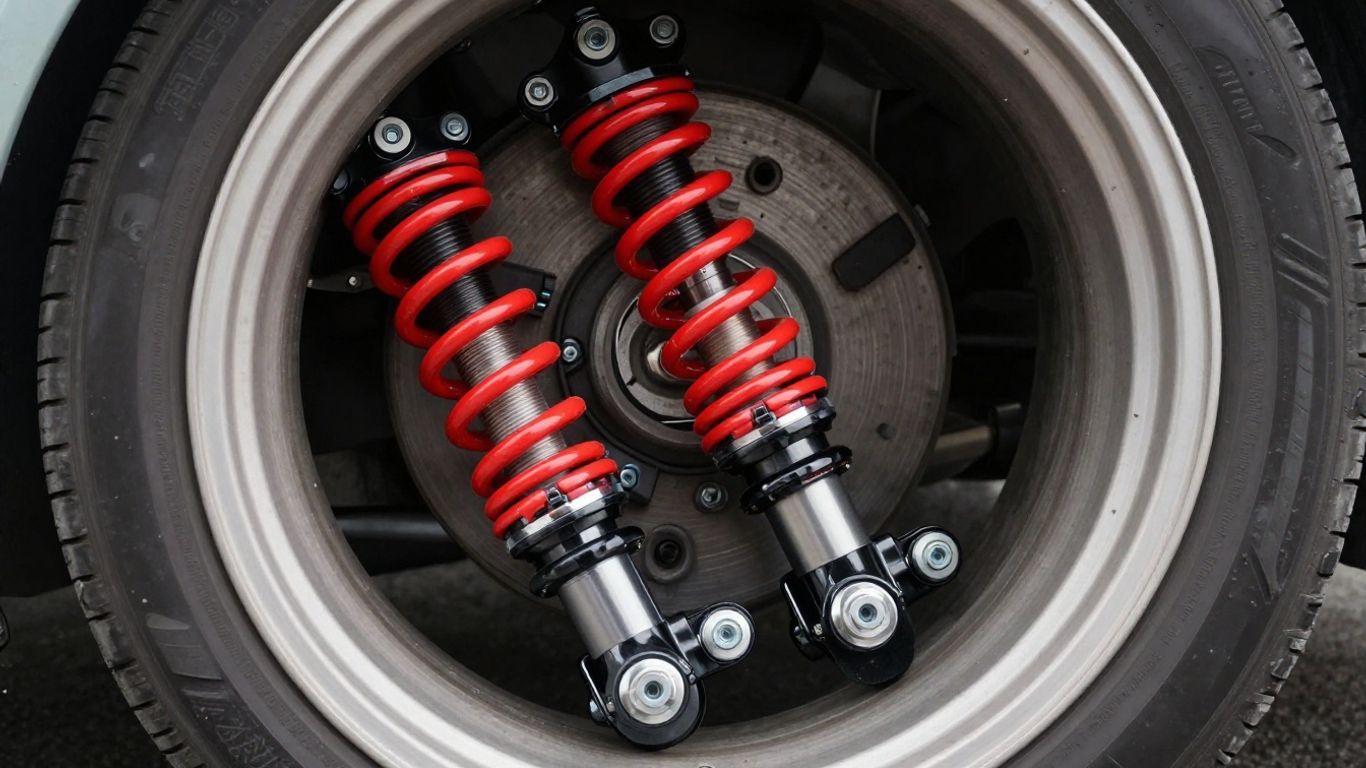
Handling modifications transform the way a chassis communicates its limits on winding roads. These upgrades go beyond mere aesthetics, focusing on sharpening steering inputs and minimizing weight transfer during cornering. Just as luxury home renovations require careful material choices, suspension work relies on high-quality alloys and precision engineering.
Lowering springs compared to full coilover systems
Lowering springs offer a cost-effective route for those seeking a lower center of gravity with minimal changes to factory ride comfort. In contrast, full coilover systems provide adjustable dampers, allowing the driver to fine-tune compression and rebound. Coilovers are usually the preferred choice for enthusiasts who transition between daily driving and track use regularly.
Anti-roll bar upgrades
Replacing stock sway bars with thicker, stiffer alternatives significantly reduces body roll during aggressive turns. This change creates a more planted feel, as weight shifts from side to side are neutralized near the pivot points. It provides much better predictability in emergency handling maneuvers.
Performance chassis bracing
Chassis bracing includes strut tower bars and subframe inserts that reduce frame flex under heavy cornering loads. By tying suspension mounting points together, the frame becomes more rigid, which forces the shock absorbers to do the actual work rather than the body panels. This structural change is a subtle yet effective way to improve steering accuracy.
Polyurethane bushing replacements
Factory rubber bushings are designed for comfort, which often results in excessive deflection and vague driving dynamics. Substituting these with polyurethane units maintains a tighter geometry across the entire suspension. As outlined in the following table, these upgrades serve distinct roles in chassis tuning:
| Upgrade Component | Typical Benefit | Primary Goal |
|---|---|---|
| Lowering Springs | Lower CG | Curb Appeal |
| Sway Bars | Reduced Roll | Cornering Speed |
| Poly Bushings | Less Deflection | Steering Feel |
- Enhanced tactile feedback at the steering wheel.
- More responsive transition between left and right turns.
- Increased durability against harsh weather and road degradation.
- Simplified alignment adjustments due to minimized slack.
This improved structural connection ensures that every input is translated directly to the tires without loss of motion.
Exhaust system modifications
Selecting the right exhaust configuration involves finding the middle ground between a deep, aggressive note and the drone-free cabin environment expected from a luxury car. Whether you are browsing for performance parts or custom solutions, the material choice matters. Stainless steel and titanium are primary choices for heat resistance and weight reduction.
Cat-back exhaust systems
Cat-back systems replace the hardware from the catalytic converter to the rear bumper, significantly improving exhaust gas velocity. This is the most common modification for sound enhancement without triggering check-engine lights. Most kits are designed to bolt directly onto stock hangers for an easier installation process.
Downpipe options for turbo engines
The downpipe is a frequent focal point for owners looking to reduce backpressure immediately behind the turbocharger. By using a high-flow catalytic converter or a cat-less pipe, the turbine can spool up to peak rotation more rapidly. This change is dramatic but often necessitates software adjustment to ensure the ECU understands the increased exhaust flow.
Performance mufflers and resonators
Mufflers and resonators act as the final gatekeepers for sound dampening and frequency control. Strategic replacement of these units allows for an aggressive growl during acceleration while maintaining a quiet, drone-free cruise at steady highway speeds. It is an art form to balance performance and noise regulations.
Balancing sound and performance with headers
Headers provide the most significant exhaust flow efficiency by optimizing the pulse timing of spent gases. While challenging to install on modern complex engine bays, the resulting power gains across the entire rev range are substantial. This is a advanced modification best left to professional shops that understand exhaust fluid dynamics.
Exterior and aerodynamic enhancements
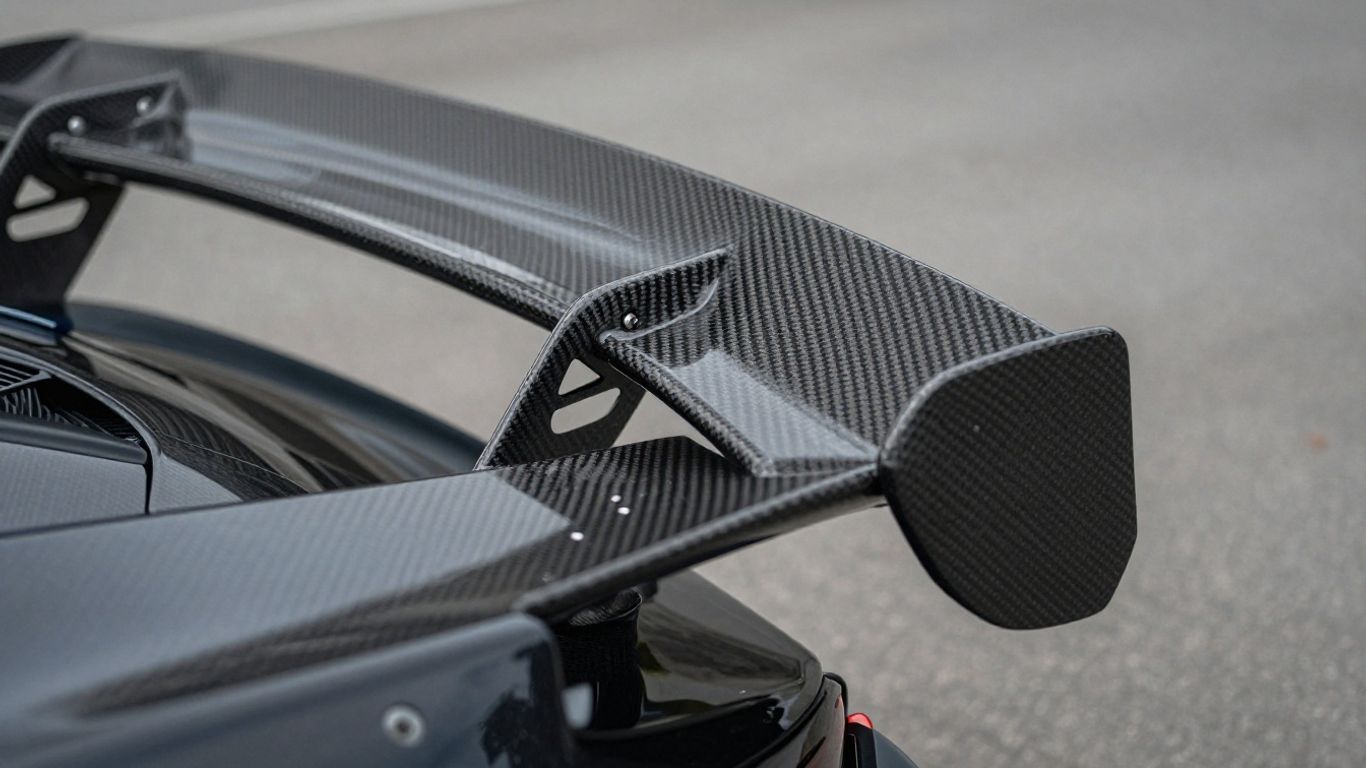
Aerodynamics serve to stabilize the car at speed while adding a distinctive visual presence. Just as one might optimize a Kia EV3 for modern efficiency, adding these components can influence how air navigates your vehicle. The goal is to maximize downforce without adding significant weight.
Carbon fiber spoilers and splitters
Carbon fiber components significantly lower the vehicle’s unsprung weight while enhancing front-end grip. Splitters protrude from the lower front bumper to manage the high-pressure air moving below the car. When paired with a matching spoiler, the car achieves a better aerodynamic balance.
Lightweight forged wheels
Reducing rotational mass is one of the most effective ways to improve both acceleration and braking performance. Forged wheels are structurally stronger and lighter than cast alternatives, providing a smoother experience for the suspension. This upgrade is highly recommended even if you have no other modifications.
Body kits and diffuser installation
Full body kits are designed to manage airflow along the sides and under the chassis, culminating in a rear diffuser that cleans up the wake. Proper installation is critical to ensure these parts do not detach at high speeds. These additions turn a standard vehicle into a personalized statement of intent.
Calculating the impact on downforce and drag coefficients
Modern aerodynamic parts are designed using fluid simulation data to ensure they don’t inadvertently increase drag. Balancing downforce is about ensuring the car stays planted through corners where wind speed is high. Every component should be evaluated for its contribution to overall vehicle stability.
ECU software tuning
Software tuning is the bridge between mechanical hardware and performance output. Even basic maintenance, such as checking 48V solar battery systems for potential electrical fluctuations, reminds us that stable management systems govern efficiency. A professional Mercedes tuning shop will always start by verifying that the hardware is robust enough to support the requested software changes.
Benefits of stage 1 versus stage 2 mapping
Stage 1 tuning typically focuses on software optimization alone, extracting power that is left on the table by factory conservatism. Stage 2 mapping incorporates support for aftermarket intake or exhaust hardware, allowing for more aggressive timing and fuel delivery. The jump in responsiveness between stock and stage 2 is frequently described as the most noticeable change in personality for the engine.
Handheld flash tuners versus bench flashing
Handheld devices provide flexibility, allowing the user to toggle between stock files and performance maps in their own garage. Bench flashing, conversely, requires direct access to the ECU board and often involves a more customized tune. Bench flashing is frequently preferred for complex setups where granular control over every variable is required.
Managing risks to warranty and engine longevity
Any change to the stock ECU firmware will be detected by dealer diagnostics scanners if a warranty claim arises. Owners must evaluate the potential trade-off between increased performance and the loss of technical coverage. Reliability is maintained primarily by staying within factory safety margins, regardless of how much power the engine could theoretically produce.
Software optimization for aftermarket hardware
Aftermarket components like larger intercoolers or free-flowing intakes confuse the factory ECU’s closed-loop logic. Software optimization tells the engine how to utilize these new parts effectively, preventing lean conditions and erratic fueling. Without this specific digital handshake, the car will eventually revert back to conservative timing to protect itself.
Interior and cosmetic customization
Interior upgrades allow the driver to interact with the vehicle in a more refined, ergonomic way. It acts as the final piece to any custom project, similar to how financial advisory services provide a complete approach to one’s personal life. The interior should reflect both your functional needs and your unique sense of style.
Steering wheel upgrades and carbon fiber paddle shifters
A custom-contoured steering wheel changes your primary connection to the road. Carbon fiber paddle shifters add a more tactile, precise engagement during gear selection in sport manual modes. This small change makes every shift feel like a intentional, mechanical event.
Aluminum pedal kits and cabin accents
Aluminum pedals provide better grip for your feet during spirited driving compared to basic rubber covers. Cabin accents, such as carbon fiber trim or alcantara inserts, elevate the visual quality of the dash and door panels. It is about creating an environment that feels purpose-built for the driver.
Digital gauge displays and telemetry integration
Telemetry displays allow the driver to monitor oil temperatures, boost pressures, and gear selection in real-time. This is useful for keeping an eye on engine status during track days or spirited drives. Modern tablets and integrated monitors can display this data clearly without cluttering the interior space.
Safety requirements for track-oriented interiors
If you modify the interior for track performance, you must ensure that hardware like harnesses and roll cages are installed by professionals. These items have strict safety compliance standards to ensure they function properly in an accident. Never compromise on safety when exploring the limits of your car’s dynamic potential.
Conclusion
Building a performance vehicle is a journey that requires patience, research, and respect for engineering limits. By selecting high-quality components and ensuring your control systems are properly calibrated, you can enhance both the responsiveness and the character of your ride. Whether you prioritize daily reliability or weekend track performance, every addition serves to bring you closer to a perfectly realized driving machine. Just as you would keep your garage door and home assets well-maintained, treating your vehicle with the same care ensures your modifications continue to reward you for years to come. With the right guidance and parts, your vehicle will perform at its absolute peak.
Frequently Asked Questions
Is ECU tuning safe for my engine?
ECU tuning is safe when performed within factory mechanical tolerances and by professionals who prioritize reliability over maximum power numbers. By respecting the engineered limits of your particular engine family, you can improve responsiveness without sacrificing longevity.
Does installing a cat-back exhaust void my warranty?
Modifications can lead to the denial of warranty claims if the dealer determines the part caused or contributed to the failure in question. Many bolt-on exhaust systems are often seen as less invasive, but you should always speak with your local service department.
What is the most effective first performance upgrade?
A high-flow air intake is frequently cited as the best starting point for better throttle response and a more natural engine note. It is an affordable, relatively straightforward enhancement that allows the engine to breathe more easily during standard daily driving conditions.
How often should I upgrade my spark plugs?
If you have increased your engine’s power or intake pressure, you may need to replace spark plugs more frequently than the standard maintenance schedule recommends. High-performance setups often require colder heat ranges and tighter gaps to ensure combustion stability.
Why do forged wheels improve handling?
Forged wheels reduce unsprung weight, meaning the suspension has less mass to compress and rebound upon hitting a road imperfection. This allows the tire to maintain better contact with the road, improving both steering precision and overall grip during cornering.
Can I install performance parts myself?
Many bolt-on parts like intakes and exhaust systems can be installed with basic tools and some patience. However, complex work involving engine internals, advanced electronics, or suspension geometry should be handled by experienced professionals to ensure safety and performance accuracy.
Do I need a tune after upgrading exhaust hardware?
If your exhaust upgrades include removing catalytic converters or changing downpipe diameter, the engine’s feedback systems will no longer match its factory programming. A software update is highly recommended to prevent fuel system errors and optimize the new flow efficiency.