

Key Takeaways
Improving your vehicle’s dynamics requires a systematic approach to suspension, braking, and geometry. Following these core principles helps elevate your driving experience significantly.
- Prioritize high-performance tires to maximize mechanical grip.
- Balance stiffness and compliance to maintain road-holding capability.
- Eliminate chassis flex with targeted structural reinforcement components.
- Optimize alignment geometry to influence cornering behavior directly.
- Customize electronic suspension settings for varied driving conditions.
Suspension upgrades for sharper turns
Enhancing how your vehicle handles through curves often begins with the suspension architecture. By refining how the chassis interacts with the road, you can achieve a more connected and responsive driving feel that encourages spirited operation on winding roads.
Choosing between coilovers and lowering springs
Lowering springs provide a cost-effective way to lower the center of gravity, but coilovers offer comprehensive adjustability. For owners of the Mercedes-AMG GT R, opting for advanced dampers and coilovers allows for specific fine-tuning of ride height and compression damping that fixed springs simply cannot match.
Impact of performance sway bars on body roll
Performance sway bars act as a mechanical tool for reducing horizontal chassis lean during cornering. By increasing the torsional rigidity across the front or rear axles, these bars keep the vehicle flatter, which ultimately permits more precise steering inputs while navigating complex turns.
Benefits of stiffer suspension bushings for driver feedback
Soft factory bushings often mask road texture and cause deflection under heavy loading, whereas stiffer alternatives maintain geometry consistency. Replacing these components helps the driver receive clearer signals from the road surface, leading to improved confidence when evaluating corner entry speed and mid-turn articulation.
Wheel and tire combinations for better grip
Your wheels and tires serve as the primary contact patch between the machine and the pavement. Selecting the right components ensures that power delivery and braking performance translate into effective speed management.

Selecting high-performance summer tires for cornering
High-performance summer tires use specialized rubber compounds that maximize adhesion in warm temperatures. When you look at popular upgrades like the Mercedes-Benz of Fresno options, it becomes clear that selecting the right tread pattern for your drive style is essential for eliminating unwanted slippage.
Weighing the pros and cons of lightweight alloy wheels
Reducing unsprung weight is a foundational goal for any enthusiast seeking better dynamics. Lighter wheels minimize the rotational mass that the suspension must manage, which can be summarized in the following performance comparison:
| Component Type | Unsprung Mass | Steering Response | Ride Quality |
|---|---|---|---|
| Factory Cast Wheels | High | Moderate | Soft |
| Lightweight Forged | Low | Sharp | Firm |
| Carbon Fiber Composite | Very Low | Immediate | Very Firm |
Selecting the right Mercedes’ handling and performance equipment effectively balances these physical trade-offs according to your personal comfort threshold.
Optimizing tire pressure for specific track or street conditions
Correct pressure ensures that the tire utilizes its full contact patch without premature rollover. Maintaining a consistent Mercedes-Benz driving experience necessitates regular checks of your tire pressures to account for ambient temperature changes and the heat cycles experienced during aggressive driving or track sessions.
Chassis and bracing enhancements
Chassis rigidity prevents unwanted frame flex that can disturb suspension geometry under load. By reinforcing the hard points of the vehicle frame, energy from the road is handled by the dampers rather than the chassis itself.
Installing front and rear strut tower braces
Strut tower braces connect the top of your suspension towers to limit movement caused by high-cornering forces. This prevents the shock towers from splaying during hard cornering exercises, which keeps the dampers operating at their intended angle throughout the entire travel range.
Underbody bracing for reduced frame flex
Underbody panels and reinforcement bars can significantly limit torsional stress that occurs in the center of the vehicle. This is especially helpful during high-speed transitions, ensuring that the driver feels a cohesive response from both the front and rear axles simultaneously.
Structural reinforcement for high-speed stability
Adding structural supports helps maintain alignment integrity when the vehicle encounters aerodynamic forces at speed. You can implement several key reinforcement strategies including:
- Adding thicker subframe connections to maximize rigidity.
- Installing secondary floor cross-members for increased stiffness.
- Utilizing gusseted brackets in critical high-stress areas.
These modifications ensure the suspension works efficiently without the chassis absorbing and dissipating energy in unpredictable ways.
Braking system refinements
Effective braking is as much about control as it is about stopping performance. A well-tuned system provides consistent feedback, allowing you to modulate your speed deeper into the braking zone.
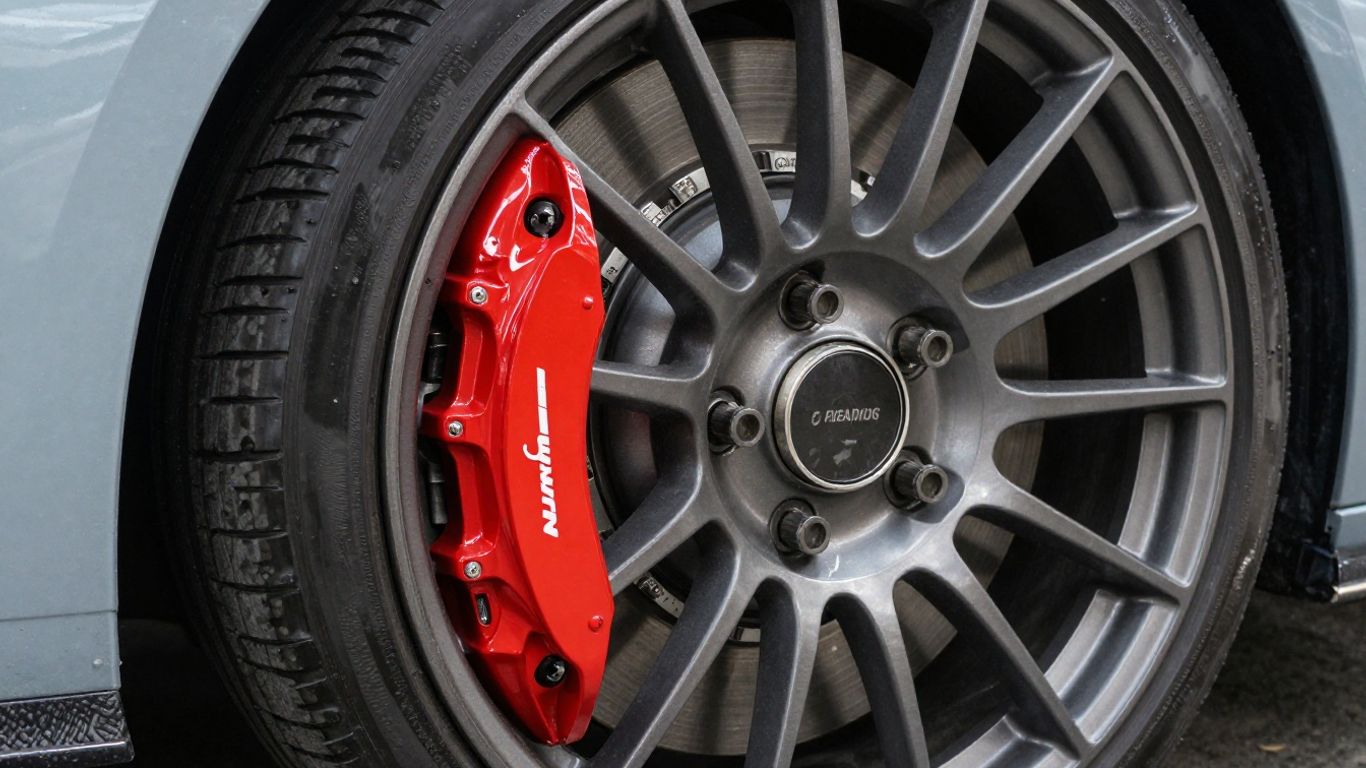
Upgrading to performance brake pads for consistent stopping power
Performance-oriented pads offer higher coefficients of friction that stay stable when temperatures rise. Unlike stock materials, these pads prevent the frustrating brake pedal fade that occurs after back-to-back stops on demanding roads.
Enhancing brake pedal feel with braided stainless steel lines
Standard rubber brake lines can expand under pressure, leading to a squishy pedal that lacks precision. Braided stainless steel lines maintain constant internal volume, providing a firm, immediate response that allows for much finer modulation across various braking intensities.
Balancing brake bias for improved neutral handling
Properly balanced braking ensures that both the front and rear tires share the load, preventing the nose from diving excessively. Adjusting this bias through Apex grade solutions ensures the vehicle remains composed and neutral during heavy deceleration, crucial for maintaining balance before turn-in.
Wheel alignment and geometry adjustments
Geometry defines how your wheels interact with the road during static and dynamic conditions. Even the most expensive suspension components will fail to perform if your alignment settings are optimized for comfort rather than control.
Understanding the role of negative camber in cornering grip
Negative camber angles the wheels inward to ensure the tire face stays flat against the ground when the vehicle is leaned into a turn. This maximizes the usable surface area where you need it most, providing a noticeable edge in peak cornering grip.
Fine-tuning toe settings for improved turn-in response
Toe-out in the front can sharpen your turn-in response by effectively pre-loading the turning geometry. Adjusting these settings requires careful experimentation to ensure the car does not become overly darting or difficult to manage on uneven highway surfaces.
Utilizing professional corner balancing for weight distribution
Corner balancing involves setting individual ride heights to distribute the vehicle’s weight perfectly across all four tires. This ensures that when you enter a left-hand turn, the weight is managed evenly across the right-side wheels, creating a balanced and predictable feeling near the limits of adhesion.
Specialized electronic tuning
Modern vehicles utilize complex software to manage how mechanical components interact with the driver’s intentions. Tuning these systems allows you to change the vehicle’s personality for different driving environments.
Calibrating active suspension systems for dynamic modes
Active systems rely on sensors to predict forces and adjust damping in real-time. By calibrating these systems for track-focused dynamic modes, you can coax the suspension into a more aggressive stance that reacts more quickly to rapid steering maneuvers.
Adjusting traction control systems for increased driver engagement
Factory traction control can be overly restrictive, cutting power when it senses even minor slip. Customizing the intervention thresholds lets the driver utilize a controlled slip angle, fostering a more engaging experience that rewards smooth throttle application rather than punishing small input errors.
Software modifications to enhance electric power steering feel
Electric steering racks can feel numb and disconnected compared to traditional hydraulic systems. Software tweaks that modify the assistance map can emphasize torque feedback, giving the driver a better sense of how much grip is available at the front tires.
Conclusion
Achieving the ideal vehicle handling requires merging mechanical upgrades with precise geometry and electronic fine-tuning. By addressing every layer of the driving experience, from the rubber contact patch to the software managing your dampers, you create a responsive machine that rewards driver input. Whether focusing on track performance or sharpening your daily drive, a holistic approach ensures the balance, grip, and communication you need remains at the forefront of every commute.
Frequently Asked Questions
How does ride height impact handling?
Lowering the ride height decreases the center of gravity, which reduces weight transfer during cornering, leading to less chassis roll and improved stability at high speeds.
Is stiffening the chassis always beneficial?
Increased chassis stiffness allows the suspension to do its job more effectively, though overly stiff setups can potentially sacrifice comfort on rough or broken pavement surfaces.
Does a professional alignment matter for street driving?
An alignment optimized beyond factory specifications can significantly improve steering sharpness and tire longevity, even for those who do not track their vehicles regularly.
What causes steering to feel numb?
Loss of steering feel often stems from soft bushings, incorrectly weighted electronic assist maps, or tires that are not operating in their intended temperature range.
Can tire pressure be used to balance handling?
Adjusting tire pressures slightly can shift the grip balance between the front and rear axles, helping to mitigate understeer or oversteer tendencies in specific mid-corner scenarios.
Why does brake bias matter?
Properly distributed braking bias ensures that the vehicle stays level during emergency stops, preventing the rear end from becoming light and maintaining a predictable trajectory.
Should I prioritize tires or suspension first?
Tires are the single most influential component for handling, so they should always be the priority before moving on to more complex suspension or chassis modifications.