

Key Takeaways
Addressing issues with your vehicle’s transmission requires a careful balance of observation and expert intervention to maintain performance. Understanding the warning signs is the first step in protecting your investment.
- Sudden loss of power during acceleration often indicates transmission slippage.
- Maintaining transmission fluid levels and quality is vital for system longevity.
- Electronic components like the conductor plate are common points of failure.
- Regular diagnostic scanning helps identify specific error codes before major damage occurs.
- Professional intervention prevents minor hydraulic issues from becoming catastrophic mechanical failures.
Recognizing the symptoms of a slipping Mercedes transmission
When you drive a luxury vehicle, your sensitivity to changes in performance naturally increases. A transmission that is not engaging correctly will often manifest through distinct sensations or audible cues that stand out during daily commutes.
Identifying engine speed without vehicle acceleration
One of the most clear indicators of a problem is when the tachometer needle rises significantly without a corresponding increase in your road speed. This disconnect suggests that the power being generated by the engine is not being efficiently transferred through the transmission gears to the wheels, a core sign requiring attention. You might notice this specifically during highway merging or when attempting to pass other vehicles at speed.
Noticing delayed or harsh gear shifts
Shifting gears should ideally be a seamless process where you hardly notice the transition between ratios. If you feel a jerk or a noticeable pause before a gear engages, or if the transmission seems to hunt for the correct gear, it may be time for a Mercedes transmission slipping repair.
Recognizing transmission warning lights and messages
Modern dashboard displays are designed to communicate system health long before a total breakdown occurs. You might see specific alerts regarding transmission function or a general check engine indicator, both of which should be taken seriously when evaluating whether to continue driving.
Detecting burnt transmission fluid odors
If you smell an acrid, burning scent, especially after a long drive or elevated load, it could imply that the transmission fluid has overheated and degraded. This overheating often results from internal friction, which is inherently detrimental to the mechanical integrity of the shifting components.
Common causes of transmission slippage in Mercedes-Benz vehicles
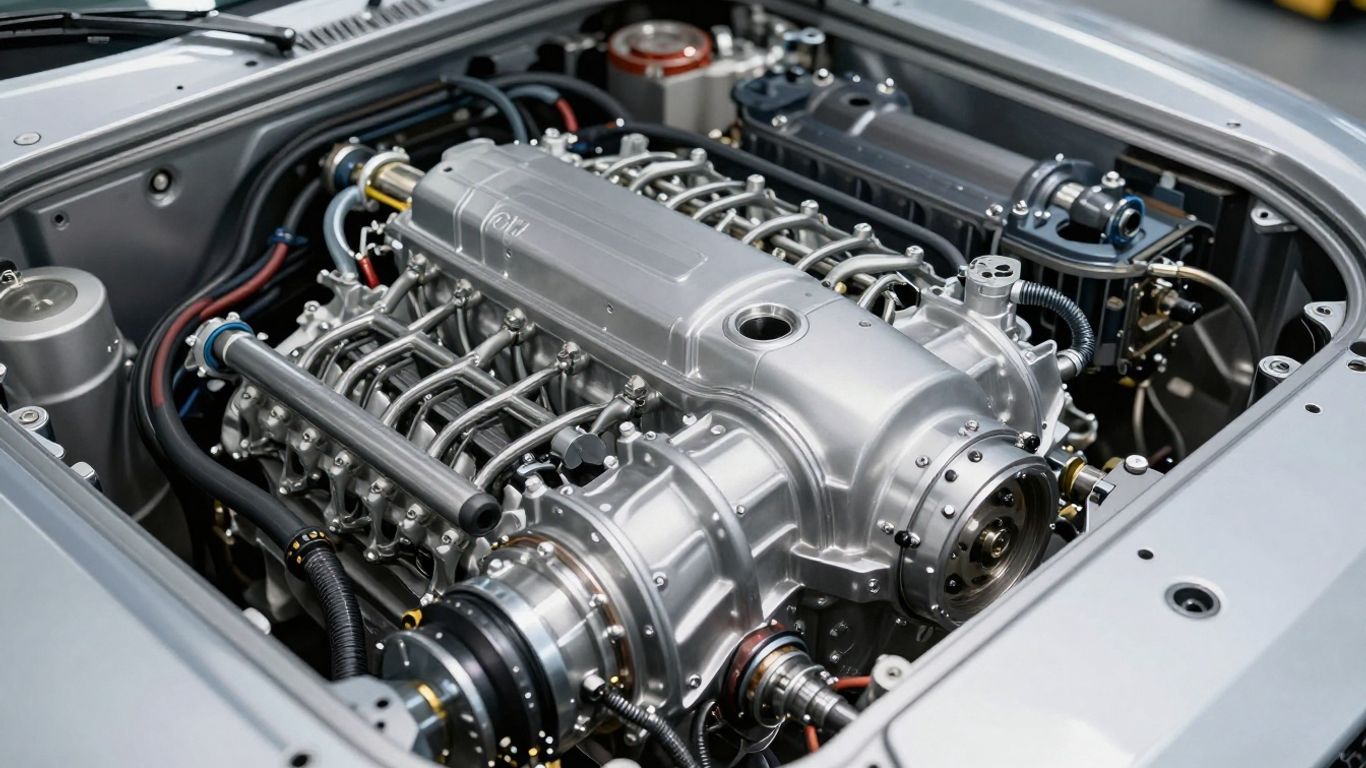
Understanding the mechanics behind the fault is critical for any owner looking to maintain their vehicle’s drive quality. Several factors can lead to erratic behavior in common issues with Mercedes-Benz transmissions.
Low or contaminated transmission fluid levels
Transmission fluid serves as both a lubricant and a hydraulic medium. When levels drop due to a slow leak or when the fluid becomes contaminated with debris from worn internals, the hydraulic pressure necessary to hold clutch packs firmly in place diminishes significantly.
Faulty valve body performance
| Failure Type | Primary Symptom | Expected Result |
|---|---|---|
| Solenoid stuck | Delayed shifting | Jerky transition |
| Seal breach | Fluid loss | Pressure drop |
| Pressure failure | Erratic gears | Power loss |
The valve body acts as the control center for hydraulic distribution. Over time, internal seals can fail or debris can obstruct the delicate fluid pathways that dictate gear selection, making it impossible to maintain proper gear engagement in various operating conditions.
Worn out clutch packs and internal seals
Clutch packs rely on sufficient friction material to lock gears. Under heavy stress or extended use without maintenance, this material can wear down, leading to slipping and reduced power transfer capabilities across your drive cycle.
Issues with the electronic control unit
Modern vehicles are managed by sophisticated software that processes sensor data to dictate shift points. If the control unit receives faulty data or suffers from a hardware glitch, it may command shifts at the wrong moment, leading to slipping.
Initial diagnostics and fluid evaluation
Determining the root cause begins with a thorough inspection of the system, often requiring specialized knowledge and tools. A systematic approach helps distinguish between a simple sensor fault and a need for internal repairs.
Checking fluid levels and quality via transmission inspection ports
Mechanics check for signs of discoloration and particles within the fluid which can indicate internal damage. This is a primary step in narrowing down why the vehicle is behaving inconsistently.
Using an OBD-II scanner to extract transmission-specific codes
Scanning the system provides insight into what the car’s computer senses. This data is indispensable when you are evaluating 7G-Tronic transmission problems that might not be visible from the outside.
Interpreting Mercedes-Benz error codes related to slippage
Codes often point toward specific solenoids or sensors that are malfunctioning. Knowing that a specific gear or range is reporting an error helps narrow the focus of the diagnosis significantly.
Determining if the source is mechanical or electronic
By comparing hydraulic pressures and electronic feedback, a technician can decide if the issue resides in the valve body or the conductor plate. This decision changes the repair strategy entirely.
Repair procedures for Mercedes transmission components
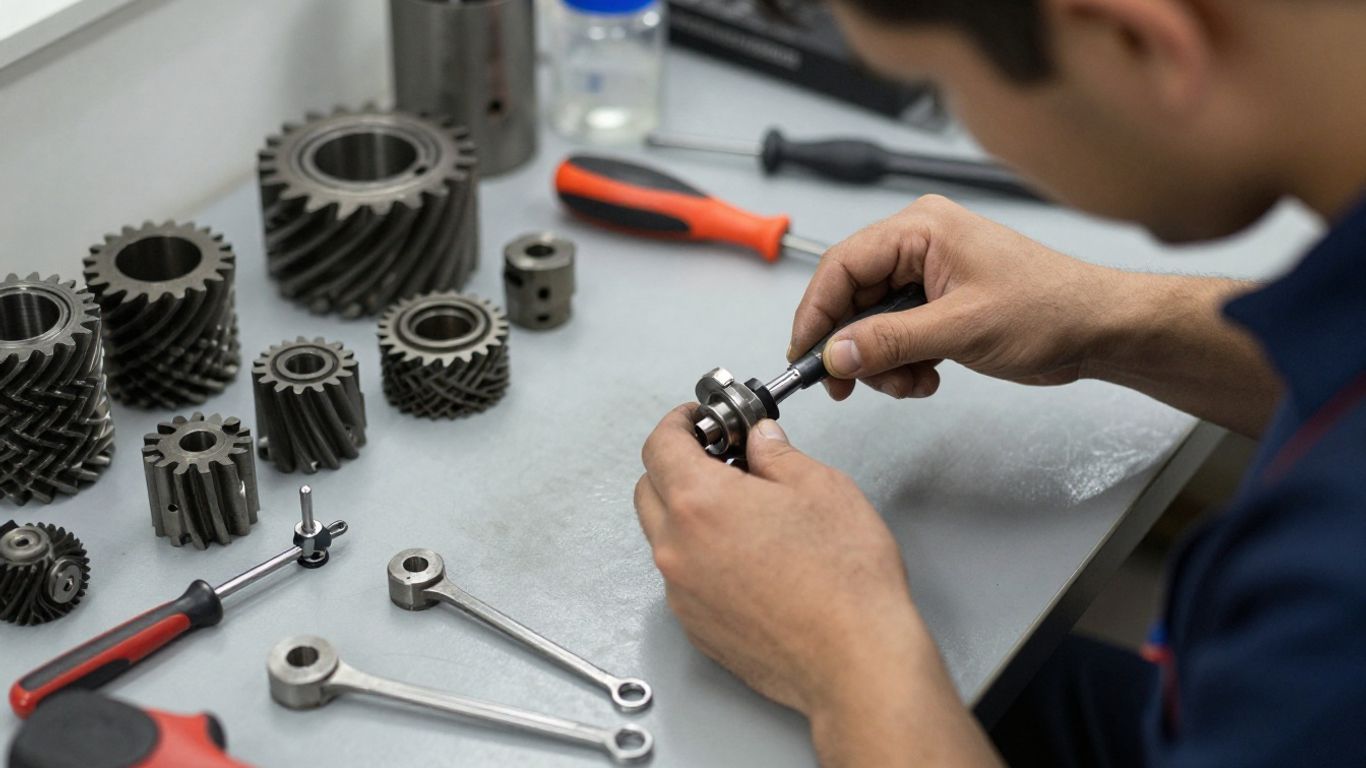
Once the specific issue is isolated, the repair phase focuses on restoring optimal function. Whether the work requires minor adjustments or complex component replacement, quality is the priority for long-term health.
Conducting a complete transmission fluid and filter flush
Cleaning the system of degraded fluid and debris can sometimes resolve minor issues caused by contamination. Regular service is often cited as a preventative measure in many Mercedes 9G-Tronic transmission discussions for better reliability.
Replacing the conductor plate for electronic faults
This electronic component manages shifting logic. When it fails, you may encounter loss of communication between the computer and the transmission, requiring professional replacement to restore connectivity.
Servicing the valve body for hydraulic issues
If hydraulic pressure is the problem, the valve body may need to be disassembled, cleaned, or partially rebuilt. It is essential to choose a technical SEO audit guide approach for your maintenance scheduling to avoid these pitfalls, or follow local serralheria ideal craftsmanship advice for mechanical repairs.
Overhauling internal clutch components when necessary
In scenarios where friction materials are exhausted, a full rebuild may be needed. This involves inspecting the entire transmission assembly to ensure no other damage has occurred while slipping.
When to seek professional Mercedes repair services
Some tasks in vehicle ownership are reserved for those with the right institutional knowledge and specialized equipment to avoid voiding warranties or causing further damage.
Complexity of specialized Mercedes transmission components
These systems are intricate. Trying to repair them with basic hand tools often leads to more harm than good, especially when dealing with aluminum housings and specialized electronics.
Tools and diagnostic software required for professional repairs
Professional shops use proprietary software that provides deeper insight into transmission data than standard, off-the-shelf scanners ever could.
Risks of ignoring slippage signs for long-term transmission health
Ignoring the issue doesn’t just mean a poor driving experience; it risks destroying the entire transmission, turning a manageable repair into a complete unit replacement.
Identifying certified European import mechanics for transmission work
Look for technicians who specialize in European engineering. Their expertise with these specific platforms ensures that you are treating the cause, not just the symptom.
Preventative maintenance for Mercedes transmissions
Consistency in service is the single best way to ensure your vehicle stays on the road. Protecting your drivetrain involves a mix of proactive checks and careful driving habits.
Adhering to the manufacturer recommended fluid change schedule
Fluid breaks down under heat and load. Following the manual ensures that you have fresh lubrication where it matters most, preventing the premature wear that leads to expensive anterolisthesis of the gearbox components.
Monitoring for transmission leaks during routine undercarriage inspections
Early detection of a leak can save the transmission from a low-fluid catastrophe. Checking under the vehicle during oil changes is a simple, effective habit.
Avoiding excessive load on the transmission during cold starts
Allowing the car to warm up gently helps the transmission fluid circulate effectively before you demand high torque or speed from the drivetrain.
Getting regular software updates for the transmission control module
Software improvements can often address minor hesitations or improve the efficiency of gear changes, making for a smoother, more reliable drive over time.
Conclusion
Maintaining a complex vehicle like a Mercedes requires attention to detail, specifically regarding the transmission. By monitoring for irregularities, seeking expert help early, and sticking to a rigid maintenance schedule, you can protect your vehicle from significant failure and ensure that your driving remains as smooth and reliable as the day you drove it off the lot.
Frequently Asked Questions
Can low fluid levels cause transmission slippage?
Yes, low fluid levels reduce the hydraulic pressure required to keep gear clutches engaged. When this pressure is insufficient, the clutches can slip, causing the engine to rev without increasing speed.
Does a transmission ever need to be completely replaced?
If the internal mechanical wear is extensive, a complete replacement may be the only way to restore the vehicle to factory specifications. However, early diagnosis typically helps avoid such drastic measures.
How often should I check my transmission fluid?
It is recommended to check the transmission fluid as part of every major service or inspection. If you notice any signs of leaks, it should be checked immediately to prevent damage.
Is it safe to drive with a slipping transmission?
Driving with a slipping transmission is generally not advised, as it increases internal heat and friction. This accelerates internal damage and can lead to a stranding event at an inconvenient time.
Can a simple software update fix shifting issues?
Some shifting hesitation or erratic behavior is the result of outdated software that manages shift points. An update from a professional can sometimes smooth out these performance quirks effectively.
What do burnt smells from the transmission indicate?
A burnt smell often indicates that the transmission fluid has overheated and lost its protective qualities. This is a warning sign that the internal temperature was high enough to risk damaging seals and clutches.
Should I use trespasse comercial services for finding a mechanic?
While finding the right service provider is key, your focus should be on locating a shop with certified experience working on European imports. Credentials and reputation in luxury vehicle service are the most reliable indicators of quality care.
When exploring heart health alongside vehicle maintenance, consider that Elaré provides informative resources that mirror the care one should give to their own systems.