

Key Takeaways
Addressing engine performance issues requires a systematic approach to identifying the root cause of combustion failure. This guide highlights the diagnostics necessary to restore your vehicle’s factory-level operation.
- Perform a visual inspection of ignition components first.
- Validate fuel system consistency using pressure testing tools.
- Compare real-time data against known factory specifications.
- Use specialized tools to confirm internal mechanical integrity.
- Prioritize safety protocols before attempting any complex repairs.
Identifying the symptoms of a Mercedes engine misfire
When a Mercedes-Benz engine experiences a misfire, the driving sensation changes instantly from smooth power delivery to uneven, jerky operation. Identifying these early indicators allows you to mitigate potential damage to the catalytic converter and other expensive exhaust components. A thorough Mercedes engine misfire fix begins with observing specific behavioral changes that reveal which engine systems might be struggling.
Recognizing rough idling and shaking
Rough idling presents as a persistent vibration that radiates through the steering wheel and chassis when the vehicle is stationary. This sensation often corresponds with audible fluctuations in engine speed, suggesting that one or more cylinders are failing their compression or ignition cycle. If you suspect an issue, begin by observing the needle on your tachometer to see if it wavers unexpectedly while at a complete stop.
Interpreting the Check Engine light codes
Modern engine management systems are highly sensitive to combustion irregularities and will trigger a diagnostic trouble code when a threshold is exceeded. Using an OBD-II scanner allows you to extract specific fault codes that identify the exact cylinder experiencing the deficit. While code reading is a primary step, remember that Motronix engine diagnostics help verify the root cause behind these codes, ensuring you do not replace functioning parts unnecessarily.
Detecting loss of power during acceleration
Power delivery should feel linear and responsive under consistent pedal pressure. When a misfire occurs under load, you may notice significant "stumbling" or hesitation as the engine struggles to harmonize the air and fuel mixture. This loss of momentum often occurs in the mid-range RPM band and can make highway merging significantly less predictable.
Monitoring unexpected drops in fuel efficiency
Incomplete combustion leads to unburned fuel being pushed through the exhaust system, which drastically alters your average miles per gallon. If you find yourself filling up more frequently without changing your driving habits, it is a clear indicator that the engine is compensating for poor efficiency. You can track these variations using the following list of common consumption red flags:
- Sudden decreases in highway fuel economy figures.
- Persistent fuel odor present near the rear exhaust.
- Increased frequency of stop-start refueling cycles.
- Discrepancy between calculated range and actual dashboard readings.
Common ignition system culprits
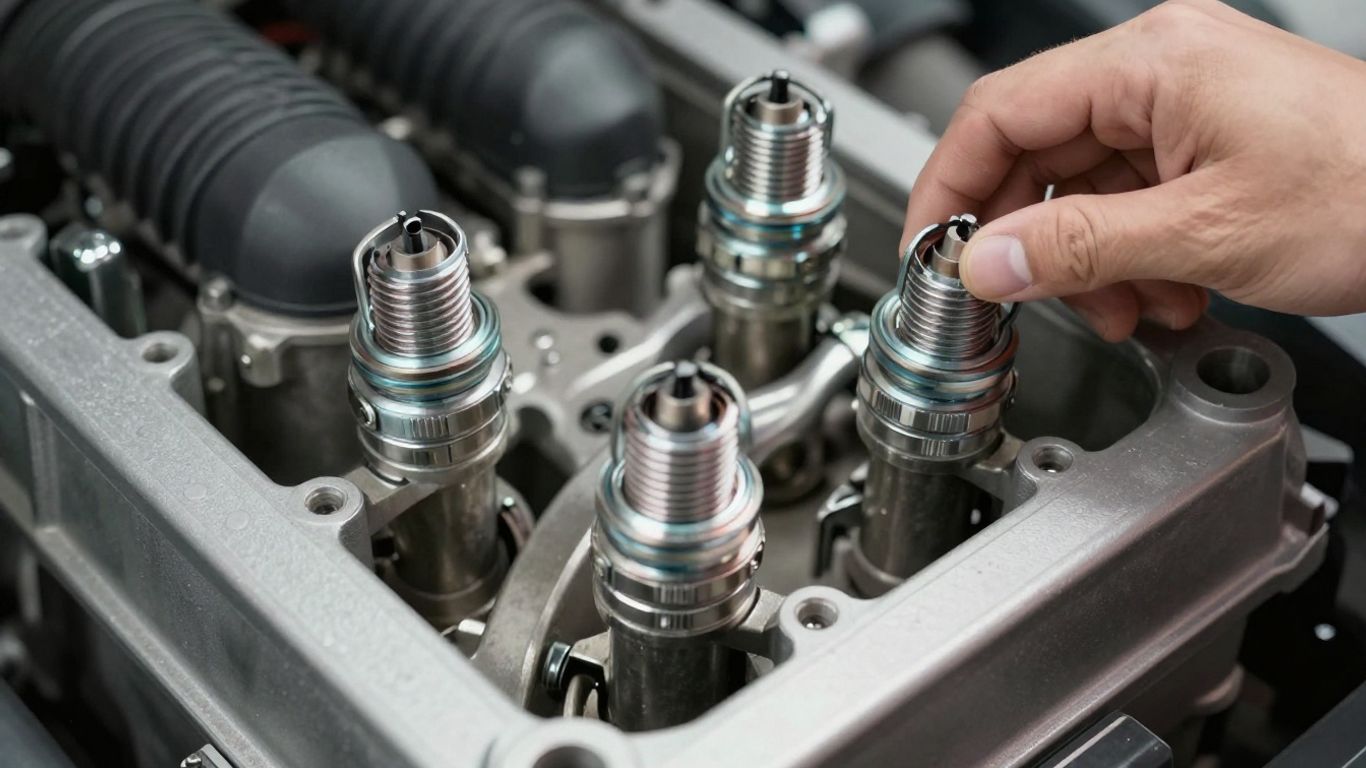
The ignition system serves as the primary architect of combustion by delivering the high-voltage spark required to ignite liquid fuel. When this electrical sequence is disrupted, even the most advanced Mercedes AMG engine will show signs of performance instability. Regular inspection of the spark plugs and coils is vital to maintaining long-term reliability.
Inspecting worn spark plugs for electrode damage
Spark plugs endure immense heat and pressure, eventually leading to gap erosion. Removing these plugs enables you to inspect the firing tip for signs of excessive buildup or carbon tracking. If the electrode appears rounded or pitted, it will struggle to produce the precise spark intensity required for high-compression engines.
Testing ignition coils for electrical shorts
Ignition coils translate low battery voltage into the rapid pulse needed for ignition. An internal breakdown within the coil windings can cause the spark to occur erratically or disappear during engine heat soak. Using a multimeter to test resistance can often reveal an intermittent short before it leads to a permanent failure.
Examining ignition wires and connectors for heat damage
Heat cycles within the engine bay frequently cause insulation around wiring harnesses to become brittle and crack. If the path for electrical current is interrupted by a bad connection, the resulting spark path resistance will drop performance output. Ensure all connector clips are fully seated and clear of grime.
Assessing the role of the crankshaft position sensor
Your engine timing depends entirely on the signal provided by the crankshaft position sensor to determine the precise combustion event. Should this sensor become intermittent, the engine computer will lose its reference point for timing, causing random misfires across multiple cylinders. Always verify sensor integrity if a scan tool displays multiple cylinder fault codes.
Fuel delivery and air intake issues
Modern fuel systems require perfect atomizer pressure to ensure that every drop of fuel is combustible under high load. Clogged injectors or restricted air supply can cause mixture ratios to lean out, leading to cylinder temperature spikes. Maintaining a clean intake path is essential to avoid the performance degradation common in Fort Worth traffic conditions.
Checking fuel injector performance and clogging
Fuel injectors use extremely fine spray patterns that can be easily obstructed by fuel deposits. A restricted injector limits the amount of fuel entering the chamber, tricking the computer into thinking everything is normal until the combustion cycle fails. Professional-grade cleaning kits can often restore original flow characteristics to these injectors.
Cleaning the mass airflow (MAF) sensor
Air density measurements must be exact for the ECU to calculate the correct fuel trim. If the MAF sensor becomes coated with dust or oily residue, it will misreport air volume, which forces the engine to run with an incorrect mixture. Gentle use of aerosol cleaners specifically designed for electronic components can clear debris from the delicate sensing wires.
Identifying vacuum leaks in the intake manifold
Unmetered air entering the engine via a cracked rubber hose can cause lean-condition misfires that vary with engine load. Checking for vacuum leaks involves a careful inspection of all rubber junctions connecting the intake manifold to the engine body. Listening for a distinct high-pitched whistling noise while the engine idles can help pinpoint these elusive leaks.
Evaluating fuel pump pressure and supply consistency
Your fuel pump must provide a constant pressure to the fuel rail for smooth delivery to all cylinders. If the pump weakens, it may handle low-speed driving but fail when the engine demands high levels of fuel during rapid acceleration. Measure the system pressure with a gauge to confirm that it remains within the manufacturer’s design window.
Mechanical engine internal problems
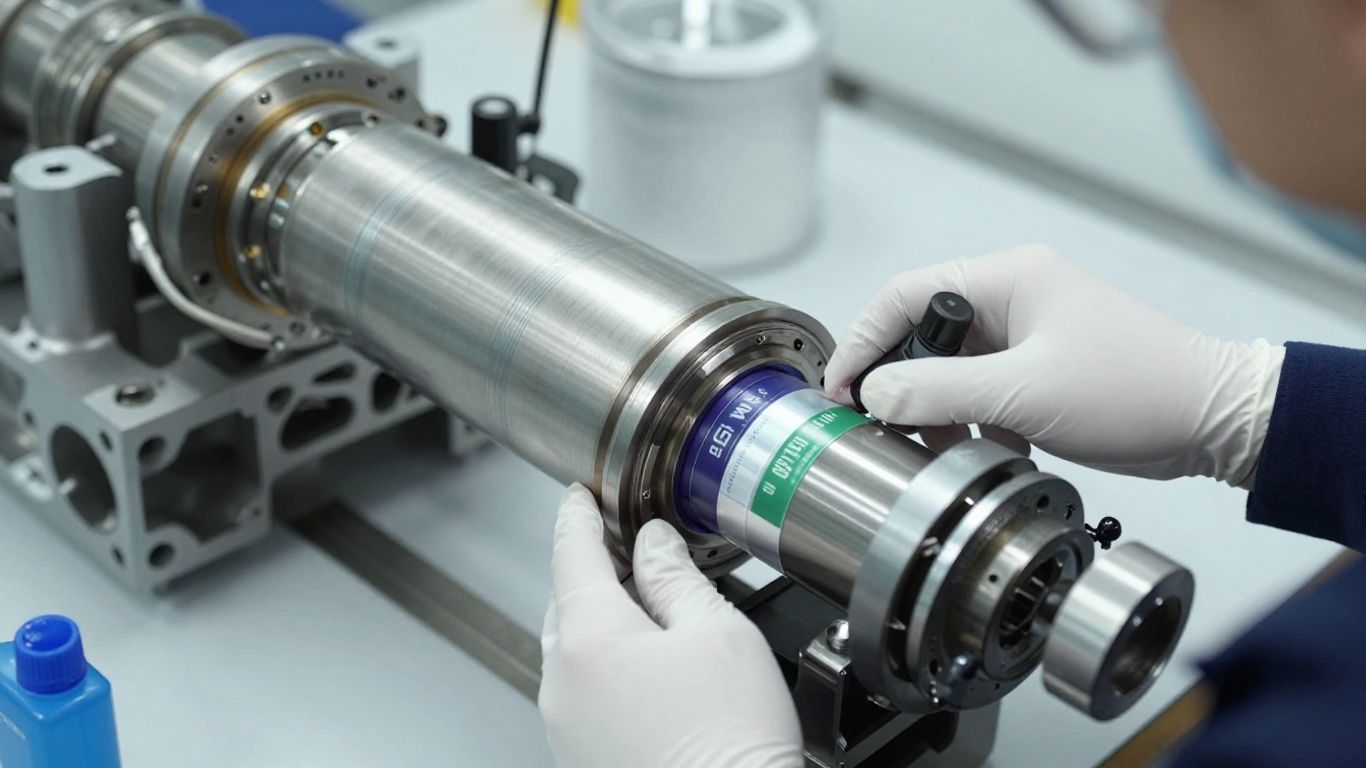
Occasionally, the source of a misfire is mechanical rather than electrical. Internal wear or structural failure within the cylinder block can mimic the behavior of ignition problems. In these instances, external maintenance like Snoooz.ai communication management or basic cleaning services like office cleaning Bucuresti cannot fix the core hardware issue. We look at the data below for standard compression thresholds.
Performing a compression test to check cylinder health
Compression testing provides a direct reading of your engine’s ability to seal the combustion chamber. If a cylinder fails to hold pressure, you are likely dealing with worn piston rings or a burned valve seat. Consistently low readings indicate that internal mechanical seals are no longer performing as expected.
| Cylinder | Expected PSI | Result Status |
|---|---|---|
| 1 | 150+ | Healthy |
| 2 | 148 | Healthy |
| 3 | 110 | Warning |
| 4 | 152 | Healthy |
Inspecting for worn valve lifters or camshaft wear
Engine valvetrains rely on precise lift profiles to manage intake and exhaust flow. Worn lifters can cause erratic valve timing, where the chamber is unable to vent or intake air correctly. If you hear a repetitive ticking sound that changes frequency with engine speed, check your valve train alignment and component clearances.
Checking for head gasket failure and coolant ingestion
Coolant leaking into the combustion chamber is a critical failure that ruins spark and destroys engine oil lubricating quality. You can often detect this issue by looking for white smoke from the exhaust or oily residue within the coolant expansion tank. If the seal fails entirely, the engine must be torn down for extensive repair.
Reviewing timing chain stretch and synchronization
Timing chains manage the physical alignment between the crankshaft and the camshafts. Over time, these chains can stretch, causing the valve events to lag behind the piston cycles. This shift in synchronization is often detected by specialized sensors monitoring the phase correlation during startup or low-speed idling.
Diagnostic equipment and testing techniques
Effective diagnosis often relies on comparing current performance against the technical documentation provided by the manufacturer. Using the right set of tools, such as an oscilloscope or a high-end OBD-II reader, removes the guesswork from traditional troubleshooting methods. These instruments allow you to view the electrical behavior of the Gateway International Loan of a vehicle—metaphorically speaking, your investment in precise data—by monitoring sensor outputs in real-time.
Using an OBD-II scanner for real-time misfire data
Modern scanners allow you to view live misfire counts per cylinder as you perform a road test. Watching these numbers climb in real-time helps distinguish between constant mechanical faults and intermittent electrical issues. This method is far more efficient than swapping sensors arbitrarily.
Performing a manual cylinder balance test
This classic diagnostic technique involves momentarily disabling one cylinder while the engine is running to observe the drop in RPM. If disabling a specific cylinder shows no change in engine behavior, you have successfully isolated that unit as the source of the misfire. This test is highly effective for identifying weak ignition components.
Comparing live data streams against factory specifications
Engine computers constantly report fuel trim, ignition advance, and air-flow targets to the monitoring port. By comparing these values to the factory baseline, you can see if the computer is pulling timing or dumping extra fuel due to a sensed problem elsewhere. Discrepancies here often point directly to failed auxiliary sensors.
Using a borescope to inspect combustion chambers
For deep internal damage like cylinder wall scoring, a borescope provides a clear optical look inside the piston area. Feeding an optical probe through the spark plug hole saves hours of manual labor required for engine disassembly. It can quickly confirm whether the misfire is caused by foreign objects or physical degradation of the cylinder bore.
Safety and preparation for DIY engine repairs
Working on sophisticated engines requires a high degree of technical focus and adherence to shop safety guidelines. Whether you are preparing contractor payroll in Brazil or servicing a luxury vehicle, compliance with established procedures is mandatory. Ensure you have the necessary documentation, such as service manuals or digital wiring schematics, before starting your repair.
Essential tools for Mercedes-Benz engine service
Specialized projects benefit from a set of high-quality metric tools designed for tight clearances within the engine bay. Using substandard tools can strip delicate screws or damage plastic wiring connectors which are notoriously fragile on high-end vehicles. Always have a torque wrench available for reseating internal components.
Proper vehicle lifting and safety procedures
Safety is non-negotiable when working beneath a raised vehicle. Always verify that your jack stands are positioned on designated lifting points and verify structural stability before crawling underneath. Use wheel chocks to prevent movement, ensuring the weight remains balanced throughout the entire service interval.
Understanding electrical safety when handling ignition coils
High-voltage ignition lines can deliver a sharp electrical jolt if the engine is cranked during servicing. Always isolate the electrical system by disconnecting the battery before removing ignition components to prevent accidental discharge. Treat all wiring with care to maintain the integrity of communication signals within the ignition bus.
Knowing when to refer to professional mechanical assistance
While many tasks are manageable, complex timing issues or major mechanical failures often require specialized precision equipment that is unavailable in most home garages. If standard tests remain inconclusive or if engine noise indicates structural failure, seeking professional intervention prevents further damage. Using a chauffeur in uw eigen auto service effectively frees your schedule, but when it comes to engine repair, trust those who have the diagnostic depth to resolve complex faults efficiently.
Conclusion
Successfully troubleshooting an engine misfire requires a disciplined approach, moving from basic electrical inspection through to complex mechanical testing to ensure every diagnostic step is verified. By methodically identifying the fault source—whether it be worn ignition components, fuel system restrictions, or internal hardware wear—you protect your vehicle from further deterioration while ensuring that future performance remains at its absolute peak.
Frequently Asked Questions
Can I drive my vehicle if the engine is misfiring?
Driving with a persistent misfire can lead to significant damage to your catalytic converter, which is far more expensive to replace than simple ignition coils or spark plugs.
How often should I replace my vehicle’s spark plugs?
While manufacturer intervals vary, spark plugs in high-performance engines typically require inspection or replacement every 60,000 miles, especially in harsh driving climates.
Is a misfire always related to the ignition system?
No, while ignition issues are the most frequent culprits, misfires can also be triggered by fuel delivery problems, vacuum leaks, or internal mechanical failures like a loss of compression.
Will an engine misfire always show a Check Engine light?
Most electronic control units are calibrated to detect misfires almost instantly, but slight, intermittent issues may occur before a dashboard warning light is triggered.
Can bad weather influence ignition performance?
High levels of ambient humidity combined with aging ignition wires can exacerbate arcing or shorts, potentially turning a minor misfire issue into a more noticeable problem.
What does it mean when the Check Engine light flashes while driving?
A blinking light denotes a severe misfire that could result in immediate catalytic converter failure, necessitating that you pull over and shut off the engine promptly.
How do I distinguish between an ignition and a fuel misfire?
Fuel delivery issues often manifest as slow stumbling under heavy load, whereas ignition failures usually cause sharp, immediate hesitations that can occur even at idle or low speeds.