

Key Takeaways
Fuel pump symptoms can look like ignition, injector, or electrical problems, so testing matters before buying parts. A careful diagnosis usually saves money and prevents a repeat failure.
- Hard starts, hesitation, stalling, and reduced power can point to fuel-delivery trouble.
- A pressure test is more useful than guessing from symptoms alone.
- Wiring, filters, relays, regulators, and control modules can mimic a failed pump.
- Safe replacement requires pressure relief, clean work, new seals where needed, and leak testing.
- Repair cost depends on the Mercedes model, pump design, access, parts quality, and related faults.
Recognize the warning signs of a failing Mercedes fuel pump
A fuel pump rarely announces its failure in just one way. The first clues may be mild and intermittent, then become more obvious as the pump struggles to maintain delivery. Since several engine systems can create similar behavior, treat these symptoms as reasons to investigate rather than proof that the pump is bad.
Hard starting and extended cranking
A longer-than-usual crank is often most noticeable after the car has been parked briefly with a warm engine. The engine may eventually start normally, which makes the problem easy to dismiss. If the delay gradually worsens, fuel pressure may be bleeding off, or the pump may be taking too long to build usable pressure.
Record when the symptom occurs: cold start, hot restart, after refueling, or after the vehicle sits overnight. That pattern gives a technician useful direction and can separate a pressure-retention problem from a weak pump motor.
Engine hesitation, surging, or stalling
A stumble when pulling away or accelerating can mean the engine is not receiving a steady fuel supply. Surging may feel like the vehicle is alternately gaining and losing power, while a stall can occur when demand changes quickly. Similar symptoms can also come from ignition faults, air metering problems, or poor fuel, so a scan and pressure test should follow.
For older vehicles, this Mercedes fuel pump warning guide is a useful reminder that hard hot starts and hesitation may be mistaken for unrelated faults. The age and design of the fuel system still need to be considered before selecting a repair.
Loss of power under load or at higher speeds
A weak pump may seem adequate during idle but fail to keep up when the engine needs more fuel. The result can be sluggish acceleration, reduced power on hills, or a stumble at highway speed. In a diesel vehicle, reduced power and rough running can involve other fuel-injection components as well, rather than the lift or supply pump alone.
Avoid continuing to drive if the engine cuts out in traffic. A sudden stall can leave the vehicle without dependable propulsion and may create a dangerous situation, as illustrated by reports of a sudden highway stall involving a Mercedes SUV.
Whining noises and intermittent no-start conditions
A faint pump hum is normal on many vehicles, but a new high-pitched whine, growl, or change in pitch deserves attention. Noise that becomes louder when the tank is low or the vehicle is hot can indicate increased strain, contamination, or a worn pump. An intermittent no-start may then appear when the pump fails to operate consistently.
Do not rely on sound alone. A noisy pump can still produce acceptable pressure for a time, while a quiet pump may have an electrical supply problem that prevents it from running.
Understand what causes Mercedes fuel pump failure
Mercedes fuel systems vary by model year, engine, fuel type, and drivetrain. A gasoline system and a diesel system may use different pump arrangements, controls, and test procedures. Understanding the likely cause helps avoid replacing an expensive assembly when the real fault is a blocked filter or damaged connector.
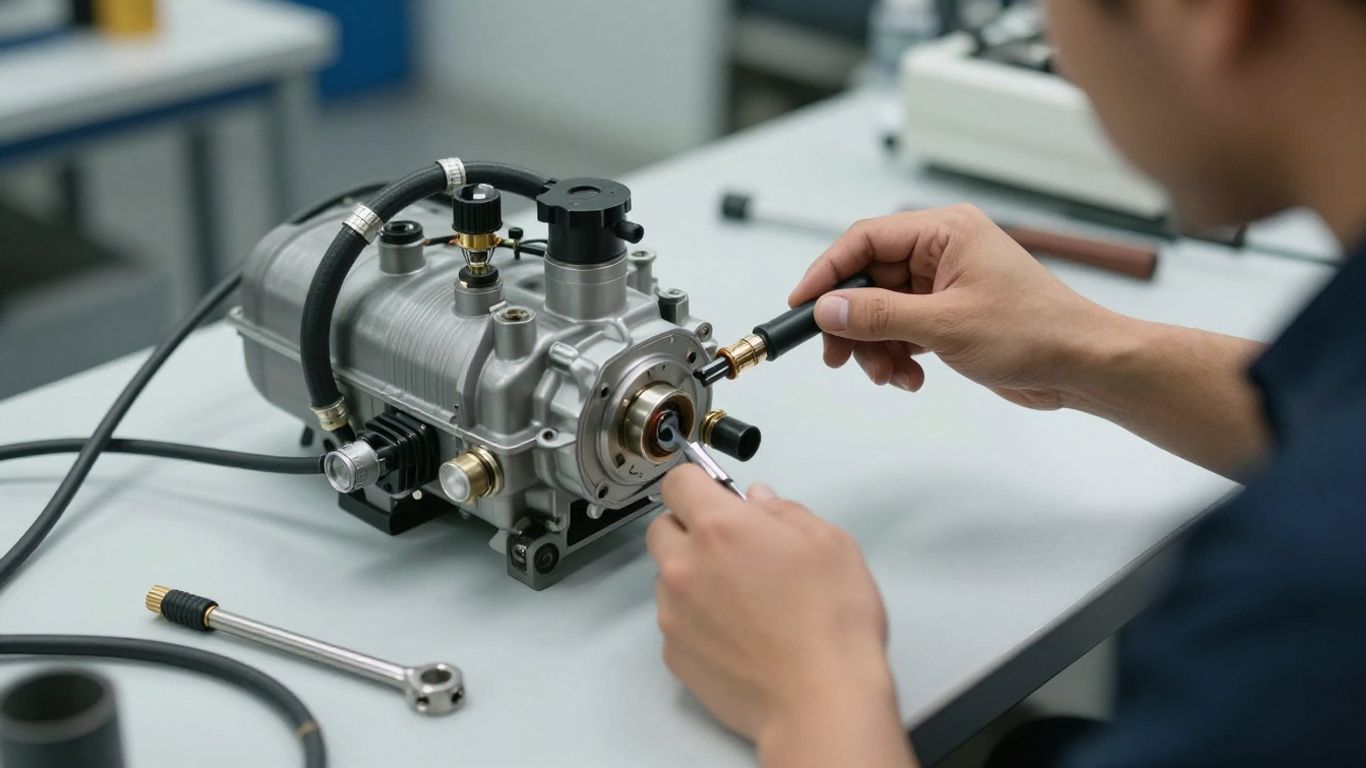
Age, wear, and high-mileage component fatigue
Electric pump motors, bearings, brushes, and internal valves wear over time. Heat cycles and long service intervals can reduce performance gradually rather than causing an immediate breakdown. A high-mileage pump may still run but deliver less volume or struggle under load.
Age alone does not prove failure, though it changes the odds. Service history, mileage, starting behavior, and measured pressure should all be weighed together.
Contaminated fuel and clogged filters or strainers
Rust, sediment, water, or debris in the tank can restrict the pickup strainer and make the pump work harder. A restricted fuel filter can produce low delivery and may also shorten pump life. Replacing the pump without checking the tank and filter can allow the same contamination to damage the replacement.
A recurring problem may therefore require tank inspection and cleaning, not simply another pump. A documented case involving repeated failures and a whining noise shows why broader diagnosis can matter when a repair does not last.
Electrical faults, relays, fuses, and wiring damage
The pump needs proper voltage and a reliable ground. Corroded terminals, loose connectors, damaged wiring, a weak relay, or an incorrect fuse can reduce output or stop the pump entirely. Heat near the tank or rear electrical connections can make an intermittent fault especially difficult to reproduce.
Before condemning the pump, inspect the connector for discoloration, melting, moisture, or loose terminals. The repair may be electrical and relatively simple, although safe testing is still essential around fuel vapors.
Fuel pressure regulator and control module problems
A pressure regulator, pump controller, or related sensor can create symptoms that resemble pump failure. Depending on the system, the pump may be commanded at varying speeds or may work with a separate high-pressure stage. Faulty control information can therefore produce low or unstable pressure even when the pump motor itself is serviceable.
The correct diagnosis depends on system specifications for that vehicle. Parts should be tested in context rather than replaced in the order suggested by a single symptom.
Diagnose the fuel system before replacing parts
Diagnosis should establish what the engine is receiving and what the pump is being told to do. Start with the vehicle identification number, engine, fuel type, and service history. Then compare scan data, pressure readings, electrical tests, and symptom timing.
Checking fault codes with an OBD-II scanner
Scan for stored, pending, and manufacturer-specific codes, and save the freeze-frame information before clearing anything. Fuel-pressure-related codes can support the investigation, but a code does not automatically identify the failed component. The absence of a code also does not rule out a mechanical or electrical pump fault.
Look for patterns in fuel-trim data, engine speed during cranking, and pressure-related readings where the vehicle supports them. A professional scan may reveal information that a basic code reader cannot access.
Measuring fuel pressure against Mercedes specifications
A pressure gauge or suitable scan-tool measurement should be compared with the specification for the exact engine and operating condition. Test cold starting, warm idle, acceleration, and the period after shutdown when relevant. Pressure that drops only under load points in a different direction from pressure that never builds.
The most useful result is not simply “high” or “low.” It is a record of how pressure behaves across several conditions, which makes it easier to identify a weak pump, restriction, regulator fault, or control issue.
Testing pump voltage, ground, and current draw
Measure voltage at the pump while it is operating, and perform a voltage-drop test on both the power and ground sides. Current draw can provide another clue: excessive draw may indicate mechanical resistance, while unusually low draw may suggest an open circuit or a pump that is not working normally.
These tests should be made with equipment rated for the vehicle and procedure. A reading taken only at a fuse box may miss a bad connection between the relay and the pump.
Distinguishing pump failure from injector or ignition faults
A misfire, rough idle, or stall can be caused by fuel, spark, air, or engine-control problems. Check ignition output, injector operation, air leaks, and relevant sensor data alongside fuel pressure. On diesel systems, injection equipment and supply components need their own evaluation; general diesel symptoms include reduced power, lower economy, increased emissions, and rough running.
The basic rule is simple: test the cause, not the symptom. Even when researching unrelated subjects such as canned coconut milk, the useful habit is the same—identify the actual product or system condition before choosing a remedy.
Choose the correct Mercedes fuel pump repair
Once testing identifies the fault, match the repair to the failed component. A complete pump replacement is appropriate when the pump cannot meet specification, but it is wasteful when the real problem is a relay, connector, restriction, or control signal. Confirm fitment by VIN and engine rather than relying only on a general model description.
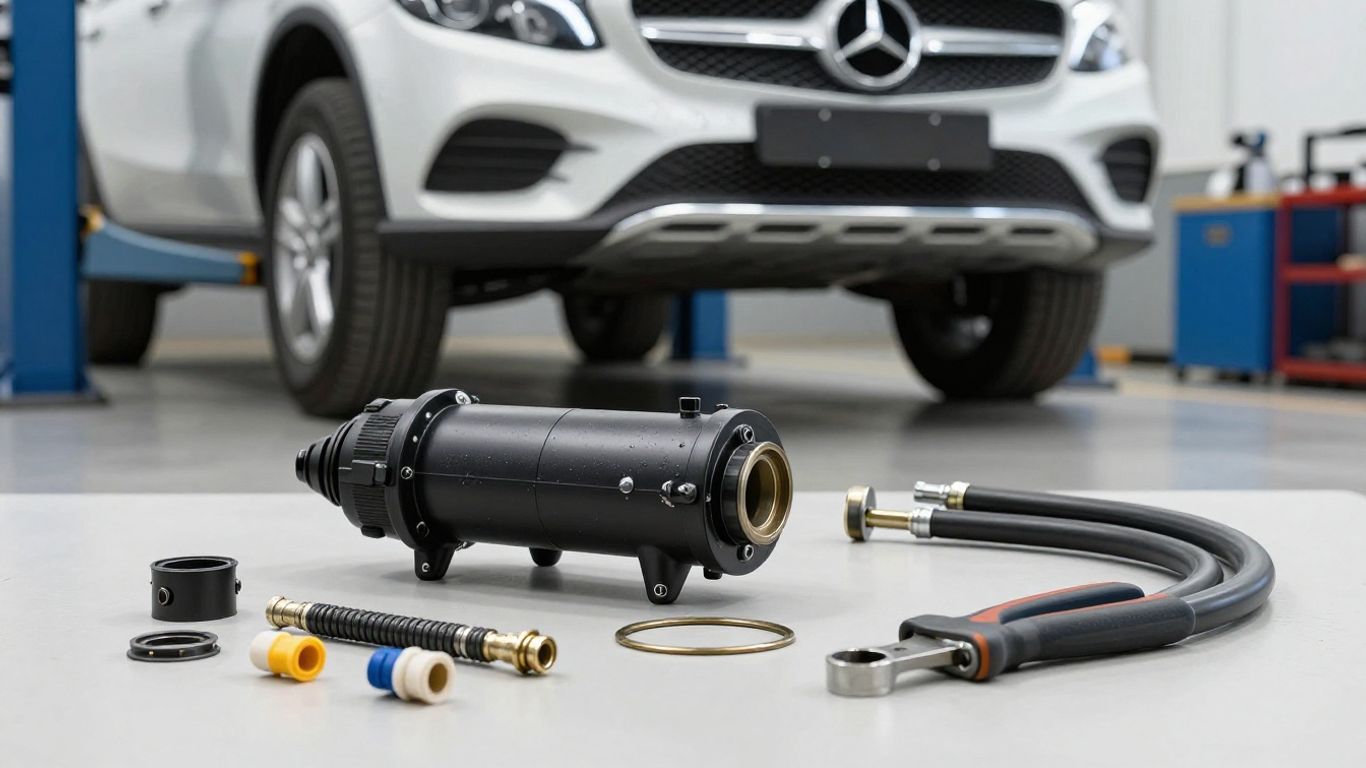
Replacing the in-tank pump assembly
Some vehicles use an in-tank module containing the pump, sender, strainer, and associated plumbing. Others separate components or use more than one stage of fuel delivery. The replacement must match the tank layout, connector, pressure requirements, and fuel type.
If the tank contains debris or water, deal with that source before installing the new assembly. Otherwise, the new pump may inherit the conditions that caused the original failure.
Repairing wiring, connectors, relays, or fuses
When the pump has no power or suffers a significant voltage drop, repair the circuit before ordering a pump. A damaged connector may need a proper replacement terminal or pigtail rather than a temporary splice. Relays and fuses should be tested for correct operation and rating, not replaced repeatedly without finding why they failed.
After the repair, repeat the electrical test at the pump. The circuit should deliver stable power under the same conditions that previously produced the symptom.
Replacing the fuel filter or pump strainer
A blocked filter or pickup strainer can restrict flow and make a healthy pump appear weak. Replace the filter at the specified interval or sooner when contamination is found, and inspect the strainer whenever the pump module is removed. Use the correct flow direction and connection style.
The broader diesel parts discussion in this fuel injection pump guide also reinforces the need to choose components appropriate to the engine. Fuel-system parts are not interchangeable simply because they look similar.
Deciding between an OEM, aftermarket, or used pump
An original-equipment replacement may offer the closest match to the factory specification, while a reputable aftermarket part can be appropriate when its fitment and performance data are clear. A used pump is less predictable because its remaining service life is unknown, even if the part number appears correct.
Ask about warranty coverage, return conditions, included seals, and whether the assembly includes the sender or strainer. The cheapest listed part is not necessarily the lowest-cost repair if access labor must be repeated.
Follow the Mercedes fuel pump replacement process safely
Fuel work involves flammable liquid and vapor, so preparation is part of the repair rather than an optional extra. Work outdoors or in a well-ventilated area, keep ignition sources away, and use eye protection and suitable gloves. If the procedure or access point is unclear, professional service is the safer choice.
Relieving fuel pressure before disassembly
Follow the vehicle-specific method for relieving residual pressure, then verify that pressure has fallen before opening a line. Disconnect the battery only as directed, since some vehicles have procedures for preserving settings or managing electrical systems. Keep an approved container and absorbent material ready for the small amount of fuel that may remain.
Never smoke, use a drop light with an exposed hot bulb, or create sparks near the tank. Fuel vapors can travel farther than the visible work area.
Accessing the pump on different Mercedes models
The pump may be reached through an access cover beneath the rear seat or luggage-area trim, or the tank may need to be lowered. The exact process varies considerably, and forcing a cover or removing the wrong fitting can damage the vehicle. Photograph hose routing and connector positions before disconnecting anything.
A nearly empty tank is easier to handle, but it should not be drained into an unsuitable container. Support the tank securely if removal is required.
Inspecting seals, hoses, and electrical connections
Install a new sealing ring when the service procedure calls for one, and check the tank opening for dirt or damage before seating it. Examine hoses for cracks, flattened sections, and incorrect routing. Electrical terminals should be clean, tight, and fully locked into place.
Do not use excessive force to tighten plastic fuel fittings. A damaged fitting can create a leak that is harder to detect once the vehicle is back on the road.
Testing for leaks and verifying fuel pressure after installation
Prime the system according to the vehicle procedure, inspect every accessible connection, and allow pressure to stabilize before starting. Look and smell for fuel leakage, then verify pressure under the conditions that originally produced the complaint. A short road test should be followed by another inspection.
The job is not finished merely because the engine starts. Stable pressure, clean operation, and dry connections are the evidence that the repair addressed the underlying problem.
Estimate Mercedes fuel pump failure repair costs
The price of Mercedes fuel pump failure repair depends less on the symptom than on the failed part and the work required to reach it. A quote should identify diagnosis, parts, labor, seals, fuel disposal, and any required programming or testing. Ask whether the estimate assumes only a pump or includes inspection of the surrounding system.
Typical parts and labor cost factors
Pump prices vary widely by design and quality, while labor depends on access and corrosion. A module reached through a service opening may take much less time than a tank that must be lowered. Diagnosis can also add value because it reduces the chance of paying for multiple incorrect parts.
Before approving work, request the part number, warranty, labor rate, and any core or disposal charges. These details make estimates easier to compare.
How model, engine, and drivetrain affect pricing
Different engines may use different pressure stages, controllers, filters, or pump arrangements. Body style and drivetrain can change tank shape and access, even within the same model family. Older vehicles may also require more time if fasteners, hoses, or electrical connectors are corroded.
A quote based only on the badge or model name is incomplete. The VIN and engine code give the shop a more reliable starting point.
When additional fuel system repairs increase the bill
The total rises when contamination requires tank cleaning, when wiring needs repair, or when a regulator, controller, filter, or hose is also faulty. Repeated pump failure deserves especially careful investigation before another assembly is installed. Otherwise, the immediate repair may be followed by another breakdown.
A technician should explain each additional recommendation and show how the test result supports it. This is also the point to ask whether related parts can be serviced while access is already available.
Comparing dealer, independent shop, and DIY expenses
A dealer may have model-specific diagnostic equipment and procedures, while an independent shop may offer lower labor costs and still have strong Mercedes experience. DIY work can reduce labor expense but requires safe fuel handling, correct tools, and confidence in the diagnosis. Mistakes can erase the apparent savings quickly.
For perspective, a repair budget should include the cost of diagnosis even when the work is done at home. Separately, topics such as a $27 new-patient exam have no bearing on automotive pricing, so they should never be confused with a vehicle repair estimate.
Prevent future Mercedes fuel pump problems
A replacement pump benefits from clean fuel, a healthy electrical circuit, and attention to returning symptoms. Preventive care cannot eliminate normal wear, but it can reduce avoidable strain and help expose a developing fault before a roadside breakdown. Keep maintenance records so changes in starting or performance are easier to spot.
Using quality fuel and keeping the tank clean
Use fuel from a reliable source and respond to signs of contamination, such as unusual engine behavior after refueling or water found in the system. Keep the filler area clean so dirt does not fall into the tank during service. If contamination is confirmed, identify and correct it rather than replacing only the pump.
Fuel additives should not be treated as a substitute for inspection or a required cure unless they are appropriate for the specific system. Ask a qualified technician when the fuel type or engine design makes the choice uncertain.
Avoiding repeated driving with a nearly empty tank
Running very low on fuel can leave less cooling around an in-tank electric pump and may allow sediment near the pickup to enter the system. It is sensible to refuel before the gauge reaches empty, especially before a long trip or in very hot conditions. This is a practical habit, not a guarantee against pump wear.
If the vehicle already has hard starts or a loud pump, keeping more fuel in the tank only masks the symptom temporarily. Arrange testing rather than waiting for a complete no-start.
Replacing related filters at the recommended interval
A fuel filter protects the rest of the system by catching debris, but it becomes a restriction when it is overdue or contaminated. Follow the maintenance schedule for the exact vehicle and use a correctly specified filter. When replacing a pump, inspect the filter and strainer rather than assuming either one is fine.
The correct interval may differ by engine and market, so the owner’s documentation or a model-specific service source is preferable to a universal schedule.
Monitoring recurring symptoms after the repair
Pay attention to crank time, pump noise, acceleration, fuel smell, warning lights, and any stumble under load during the weeks after repair. Keep the invoice and test readings, and return promptly if the original symptom comes back. A recurring fault may point to contamination, wiring, a regulator, or a control problem that was not addressed initially.
Do not keep clearing warning lights without recording the codes. Preserving that information can make the next diagnosis faster and more accurate.
Conclusion
A Mercedes fuel pump problem is best handled as a fuel-system diagnosis, not an automatic parts swap. Note the symptoms, measure pressure and electrical supply, inspect related components, and choose a repair that matches the evidence. Safe installation and follow-up testing then give the replacement the best chance of lasting.
Frequently Asked Questions
What are the most common signs of a failing fuel pump?
Common signs include extended cranking, hard hot starts, hesitation, surging, stalling, reduced power under load, unusual pump noise, and intermittent no-start conditions. These symptoms overlap with other faults, so testing is needed for confirmation.
Can a weak fuel pump still allow the engine to run?
Yes. A pump may provide enough fuel for idle or gentle driving but fail to maintain pressure during acceleration, hill climbing, or higher-speed operation. Measured pressure and flow under relevant conditions are more informative than whether the engine runs at all.
Can a bad relay or fuse look like pump failure?
Yes. A failed relay, blown fuse, damaged connector, poor ground, or wiring fault can stop the pump or reduce its voltage. Testing power and ground at the pump helps distinguish a circuit problem from an internal pump failure.
How is fuel pump failure diagnosed?
A technician may scan for codes, measure fuel pressure, check pressure retention, test voltage and ground, measure current draw, and inspect filters and wiring. The exact tests depend on the vehicle’s fuel-system design.
Is it safe to replace a fuel pump at home?
It can be hazardous because fuel and vapors are flammable. The work requires ventilation, pressure relief, suitable containers, correct tools, and careful leak testing. Anyone uncertain about the procedure should use a qualified repair facility.
How long can a car drive with a failing fuel pump?
There is no dependable time estimate. A pump may continue working for weeks or fail without warning, and a stall can be dangerous. Once symptoms appear, arranging diagnosis promptly is safer than relying on the vehicle for important travel.
Does replacing the fuel filter fix a failing pump?
A filter replacement can restore delivery when the filter is restricted, but it will not repair a worn or electrically faulty pump. The filter, strainer, tank condition, and pump should be evaluated together when pressure is low.