

Key Takeaways
Mercedes service intervals explained means more than watching the odometer. The right schedule depends on time, mileage, vehicle systems, model year, powertrain, and how the car is driven.
- Service A and Service B follow a repeating maintenance pattern, but exact timing varies by model.
- Dashboard reminders and the owner’s manual are useful starting points for confirming due dates.
- Oil, filters, brakes, tires, fluids, and suspension parts may follow different replacement schedules.
- Short trips, heavy traffic, weather, and long storage can all affect maintenance needs.
- Clear service records make future planning easier and can support the car’s resale value.
How Mercedes service intervals are structured
Mercedes maintenance is organised around scheduled visits rather than one universal mileage rule. A typical plan combines a recurring service sequence with time limits and vehicle-specific requirements. The dashboard system may call for attention before the driver has reached a familiar round-number mileage. Treat the schedule as a guide that must be checked against the exact vehicle.
The difference between Service A and Service B
Service A is generally the earlier visit in the repeating cycle, while Service B follows with a broader set of checks and possible replacements. Both commonly include engine oil and filter work, fluid checks, tire checks, brake inspections, and resetting the maintenance counter. The distinction is not simply that one is “small” and the other is “large”; the required items depend on model year and service history. A Mercedes-Benz of Denver service guide describes the familiar pattern of an initial A visit followed by a B visit, while also directing owners to model-specific details.
Typical mileage and time-based intervals
Many newer vehicles are first scheduled for service at roughly 10,000 miles or one year, with the next major visit often around 20,000 miles or two years from the relevant starting point. Those figures are useful orientation points, not promises for every Mercedes vehicle. A car that covers very little distance can still become due because time affects oil, brake fluid, filters, and other service items. Always compare the odometer with the calendar.
How Mercedes-Benz ASSYST PLUS calculates service needs
ASSYST PLUS uses the vehicle’s operating information and service parameters to help calculate when maintenance is due. It can display a remaining distance or time estimate and may identify a service type when the vehicle approaches its maintenance threshold. The display is a practical reminder, but it does not replace a physical inspection. If a warning appears alongside a drivability issue, investigate the issue rather than waiting for the scheduled visit.
Why driving conditions can change the schedule
The same mileage can represent very different workloads. Frequent cold starts, idling, dusty roads, steep terrain, towing, and repeated short journeys can place more demand on fluids, brakes, batteries, and filters than steady highway travel. Severe-use recommendations may therefore call for closer attention or additional work. A schedule is most useful when it reflects both the car and the way it is used.
What is included in Service A
Service A is commonly built around essential routine checks and fluid-related maintenance. The visit usually begins with the items specified for the vehicle’s year and model, then adds inspection of components that can change between appointments. It is not a complete mechanical overhaul, and wear items are not replaced automatically just because the car is at an A service. The technician should explain any finding that falls outside the standard visit.
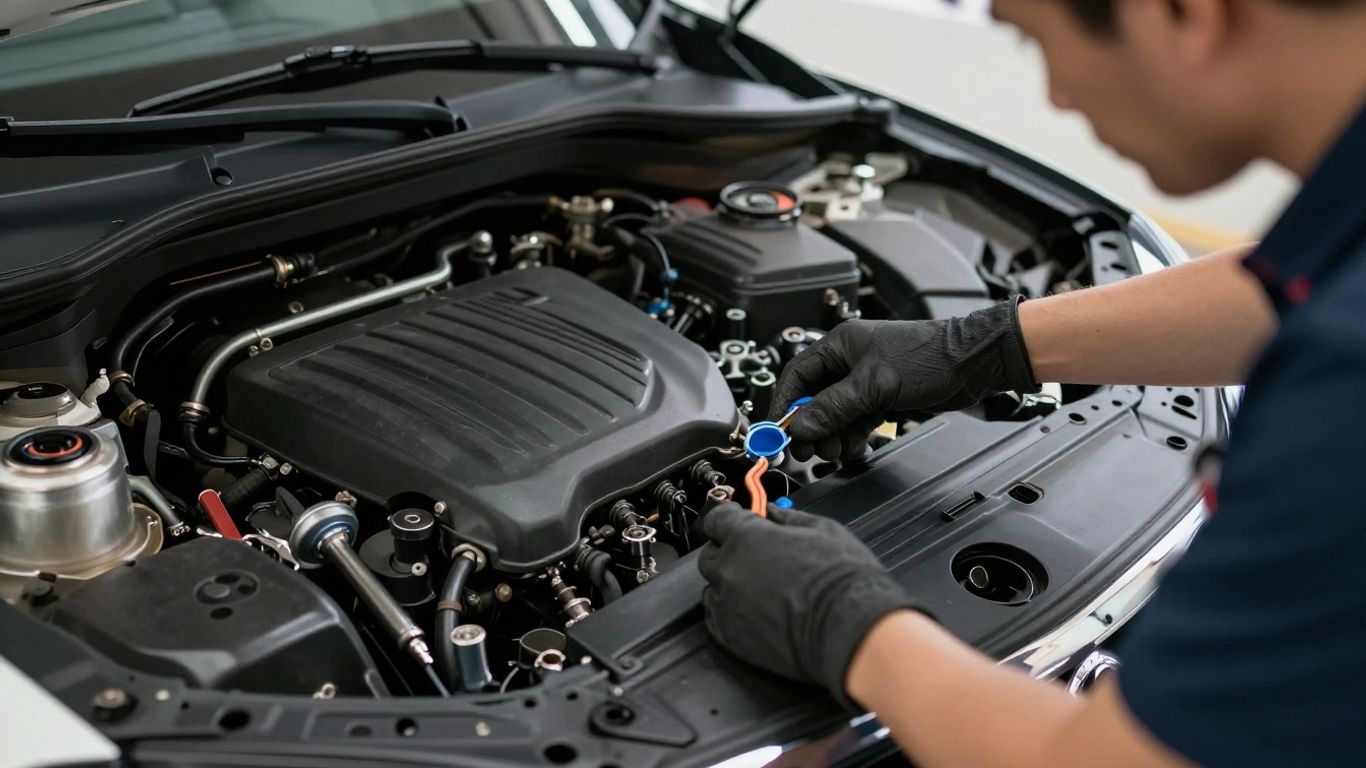
Engine oil and filter replacement
Engine oil and the oil filter are central parts of a routine A service. The correct oil specification and quantity should come from the vehicle’s documentation, since engines and model years can differ. Fresh oil does not correct an oil leak or an underlying engine fault, so unusual consumption or visible leakage deserves separate attention. Keeping invoices that identify the oil and filter helps establish a useful maintenance history.
Brake, fluid, and tire inspections
A routine A visit generally includes checking fluid levels, tire inflation, tire condition, and brake components. These checks can reveal uneven wear, a low reservoir, a damaged tire, or brake material approaching its limit. Inspection is not the same as replacement: parts are changed when their condition or the model’s service requirement calls for it. Ask for measurements when a technician recommends immediate brake or tire work.
Maintenance counters and system checks
The maintenance counter should be reset after the specified service has been completed, not simply because a reminder is inconvenient. A technician may also review warning lamps, visible leaks, exterior lights, and other basic vehicle functions included on the service sheet. The record should show what was inspected and what was deferred. This prevents the next visit from starting with uncertainty about whether an item was already addressed.
When Service A may require additional work
An A service can uncover needs that are separate from its standard list. A worn tire, aging battery, damaged belt, brake issue, or overdue filter may require approval before it is replaced. The inspection is the decision point, not an automatic instruction to purchase every possible add-on. Request an itemised explanation that separates scheduled maintenance from condition-based repairs.
What is included in Service B
Service B usually follows Service A in the recurring sequence and commonly includes the same core oil, filter, fluid, tire, and brake attention. It may also include time-based replacements or additional inspections that are not due at every visit. The exact contents vary with the vehicle and its service history. Reading the service reminder together with the maintenance booklet gives a clearer answer than relying on the letter alone.
Additional inspections compared with Service A
The B visit often gives the technician a longer list of scheduled checks. These may include items connected with cabin filtration, brake fluid, and other model-specific maintenance requirements. The scope can also be affected by whether a prior service item was postponed. A well-documented B appointment should make clear which work is routine and which work was prompted by an observed condition.
Cabin air filter and brake fluid considerations
Cabin air filter replacement is commonly associated with Service B, while brake fluid exchange may be due at a particular time or service point. Neither should be treated as an identical rule for every model year. A clogged cabin filter can affect airflow and comfort, while old brake fluid can require attention according to the manufacturer’s interval. Confirm the due status before authorising either item.
Common items checked during a B service
Alongside oil and filter replacement, a B service may include tire inflation, brake component inspection, fluid checks, the cabin filter, brake fluid, and resetting the maintenance counter. The service sheet should identify the required combination for the particular vehicle. If the car has warning lights or a new noise, mention them before the inspection begins so they are not confused with the scheduled checklist.
A service video can help explain the difference between routine checks and replacement work, but it cannot determine what is due on a particular vehicle. The dashboard reminder and service documentation remain the better references for that decision.
Why Service B usually costs more
Service B often costs more because it can include more labour, additional filters, a brake fluid exchange, or other time-based items. Prices also vary with engine type, access to components, local labour rates, and any repairs found during inspection. Comparing quotes is easiest when each quote lists scheduled items separately from optional recommendations. A lower headline price may not cover the same scope.
Mercedes maintenance schedules by vehicle system
A maintenance schedule becomes easier to understand when it is divided by system. Oil, brakes, tires, filters, fluids, and suspension parts do not all wear at the same rate. Some are governed mainly by mileage, others by time, and some by measured condition. Thinking in systems helps prevent a single service reminder from being mistaken for a complete inspection of the car.
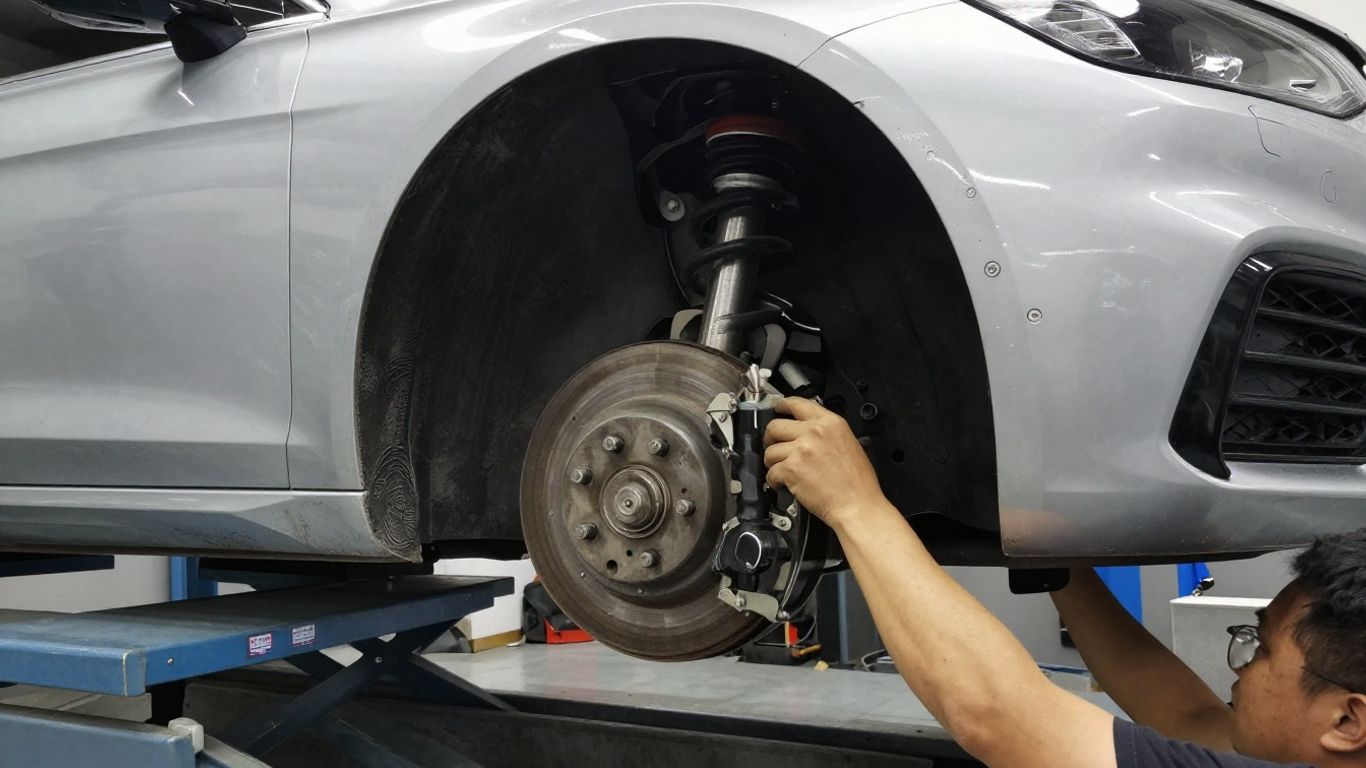
Engine oil, filters, and spark plugs
Oil and oil filters usually follow the scheduled service reminder, while air and cabin filters may have their own replacement points. Spark plugs on gasoline engines are typically changed at a specified interval that can vary by engine and model year. Diesel, hybrid, and electric vehicles have different service considerations, so an interval copied from another powertrain may be wrong. Use the exact engine identification when checking a maintenance table.
Brake pads, rotors, and brake fluid
Brake pads and rotors are condition-based components. Driving style, traffic, terrain, vehicle weight, and regenerative braking can all influence wear. Brake fluid is more commonly tied to a time or service interval, but the correct requirement still depends on the vehicle. A brake inspection should consider pad thickness, rotor condition, leaks, pedal feel, and warning indicators rather than one measurement alone.
Tires, alignment, and suspension components
Tire pressure should be checked regularly, including before long trips and after major temperature changes. Uneven tread wear can point to alignment, suspension, inflation, or loading problems. Components such as control arms, bushings, dampers, and steering joints may not have a simple replacement mileage; their condition matters more. A vibration or pull is worth reporting even if the dashboard shows no maintenance reminder.
Coolant, transmission fluid, and other fluids
Coolant, transmission fluid, differential fluid, washer fluid, and power-steering-related fluids, where applicable, each have different inspection or replacement requirements. A fluid level that is low may indicate a leak rather than normal consumption. The table below shows why a single interval cannot cover every system.
| Vehicle system | Common scheduling factor | What the owner should watch |
|---|---|---|
| Engine oil and filter | Service reminder, mileage, and time | Level, leaks, and unusual consumption |
| Brakes and brake fluid | Wear condition or time | Noise, vibration, warning lights, and pedal feel |
| Tires and alignment | Pressure, wear, and road use | Uneven tread, pulling, or vibration |
| Coolant and transmission fluid | Model-specific interval or inspection | Leaks, temperature changes, or shift concerns |
The table is a planning aid, not a substitute for the vehicle’s maintenance booklet. If a fluid is discoloured, leaking, or repeatedly low, the underlying cause should be checked before simply topping it up.
How model year and powertrain affect service intervals
Two vehicles with the same badge can have different maintenance requirements. Engine design, electronics, transmission, emissions equipment, battery systems, and software can all change the service plan. Model year matters because manufacturers revise components and maintenance instructions over time. Confirming the vehicle identification details before booking avoids applying an older schedule to a newer car.
Differences between older and newer Mercedes models
Older vehicles may have different oil specifications, filter designs, fluid requirements, and inspection points from newer vehicles. Newer models may provide more detailed dashboard reminders, but electronic prompts still depend on correct service data and completed resets. A long service history can reveal patterns that the current reminder cannot, such as repeated coolant loss or previously deferred brake work. The owner’s manual and prior invoices should be read together.
Gasoline, diesel, hybrid, and electric vehicles
Gasoline and diesel engines share some maintenance principles but differ in filters, combustion systems, emissions equipment, and oil requirements. Hybrids combine an engine with high-voltage components and may use regenerative braking, changing how certain parts wear. Electric vehicles have no engine oil service, but still need attention to tires, brakes, cabin filtration, coolant systems, suspension, and high-voltage safety procedures where specified. Never transfer a combustion-engine schedule directly to an electric vehicle.
AMG and high-performance maintenance needs
High-performance variants can place greater demand on tires, brakes, cooling systems, and driveline components. Track use, repeated hard acceleration, and performance driving may require checks beyond normal road use. The applicable maintenance schedule should be paired with the owner’s guidance for severe or special operation. A vehicle used gently on public roads may have different needs from the same model used regularly in demanding conditions.
Using the owner’s manual for model-specific guidance
The owner’s manual is the best place to verify fluid specifications, warning messages, service timing, and special operating instructions. It can also clarify whether an item is an inspection, replacement, or condition-based recommendation. When the manual and a generic online schedule disagree, use the vehicle-specific documentation and ask the service provider to explain the difference. Keep the relevant records with the car for future reference.
How driving habits affect Mercedes maintenance
Maintenance intervals are estimates built around expected use. A car driven in heavy urban traffic experiences more braking, idling, low-speed manoeuvring, and repeated starts than one used mainly on open roads. Neither pattern is automatically harmful, but each shifts attention toward different wear points. Describing the normal driving pattern helps a technician interpret the schedule sensibly.
City driving and frequent short trips
Short trips may end before the engine and exhaust system reach normal operating conditions. Frequent starts can also increase battery demand, while stop-and-go traffic places more work on brakes and transmission components. Drivers who mostly travel a few kilometres should pay close attention to battery condition, tire pressure, oil level, and the calendar-based side of maintenance. A low annual mileage does not mean the car needs no service.
Highway mileage and long-distance use
Steady highway driving can reduce some stop-and-go brake wear, but it adds sustained mileage and may expose tire, alignment, cooling, or fluid issues over longer distances. Before a road trip, check tire condition, pressures, fluid levels, lights, wipers, and the service reminder. A vehicle that accumulates kilometres quickly can reach a mileage interval before the owner expects it. Planning ahead is safer than waiting for a warning during travel.
Severe weather and stop-and-go conditions
Very hot or cold weather can affect battery performance, tire pressures, coolant demands, and fluid behaviour. Dust, flooding, salt, steep roads, and heavy traffic may justify more frequent visual checks. After driving through deep water or harsh conditions, inspect brakes and underbody areas when safe to do so. Unusual smells, noises, pulling, or warning messages should be treated as separate concerns.
Seasonal storage and low-mileage vehicles
A stored vehicle still ages even when it is not accumulating miles. Before storage, consider the battery, tires, fuel system where relevant, cleanliness, moisture, and the recommended parking conditions. After a long idle period, inspect tires, brakes, fluid leaks, and warning lights before returning to normal driving. The next scheduled service may be due by time rather than distance.
How to plan and manage Mercedes service
Good service planning is mostly a record-keeping habit. Note the current mileage, the date, the displayed reminder, and any symptoms before making an appointment. Ask for the scheduled scope and a separate list of condition-based recommendations. This makes it easier to compare appointments without reducing the decision to a single price.
Reading dashboard maintenance notifications
A maintenance notification may show a service letter, remaining distance, remaining time, or a general request for maintenance. Record the message before resetting anything, especially if the vehicle has other warning lamps. A service reminder does not diagnose every fault, and a missing reminder does not prove that every component is healthy. If the display changes suddenly, arrange an inspection rather than repeatedly clearing it.
Choosing a dealership or independent Mercedes specialist
A dealership or independent specialist should be able to identify the exact model, engine, powertrain, and service requirements before quoting. Ask whether the provider will use the specified fluids and parts, document measurements, and reset the maintenance system correctly. Experience with the vehicle’s diagnostic systems can be useful, particularly when several warning messages appear. The best choice is one that explains the work clearly and provides a complete record.
Comparing scheduled maintenance costs
Compare like with like: oil grade and quantity, filters, brake fluid, inspections, labour, taxes, and disposal charges should be visible in the estimate. A quote that excludes a due filter or fluid exchange is not directly comparable with one that includes it. These four questions can keep the conversation focused:
- Which items are required by the vehicle’s current schedule?
- Which recommendations are based on measured wear or a diagnosed fault?
- Are parts, fluids, labour, and taxes included in the quoted total?
- What can safely be monitored until the next service?
After the questions are answered, you can judge value without confusing scheduled maintenance with unrelated repairs. Keep the written estimate, especially if work is deferred.
Keeping service records and protecting resale value
A complete record should include the date, mileage, service type, parts and fluids used, inspection findings, and invoices for approved repairs. Digital records are useful, but paper copies and photographs can provide a backup. Consistent documentation helps the next technician understand what has already been done and gives a future buyer confidence in the vehicle’s care. It also makes recurring costs easier to forecast.
Conclusion
Mercedes service intervals explained are easiest to manage when the dashboard reminder, owner’s manual, service history, vehicle system, and driving conditions are considered together. Service A and B provide a useful framework, but the exact work belongs to the specific model and its condition. Planning early, asking for an itemised scope, and keeping clear records can make routine maintenance more predictable.
Frequently Asked Questions
How often should a Mercedes vehicle be serviced?
Many vehicles are first serviced at roughly 10,000 miles or one year, with later visits often following an approximately 20,000-mile or two-year rhythm. The exact interval depends on model, powertrain, service history, and the vehicle’s maintenance reminder.
What is the difference between Service A and Service B?
Service A is generally the earlier routine visit, while Service B commonly adds items such as cabin filtration or brake fluid work when those items are due. The precise contents vary by vehicle and model year.
Can a car be due for service because of time rather than mileage?
Yes. Fluids, filters, batteries, and other components can age even when the car covers very few miles. Time-based limits should be checked alongside the odometer.
Does highway driving reduce maintenance needs?
Highway driving may reduce some stop-and-go brake wear, but it still adds mileage and can place sustained demand on tires, cooling systems, fluids, and other components. It changes the pattern of wear rather than eliminating maintenance.
Should brake pads always be replaced during a scheduled service?
No. Brake pads are normally replaced according to measured wear, condition, warning indicators, and remaining service life. A scheduled inspection may confirm that replacement is not yet necessary.
Do electric vehicles use the same service intervals as gasoline vehicles?
No. Electric vehicles do not need engine oil service, but they still require attention to tires, brakes, cabin filters, suspension, coolant systems, and other model-specific items.
What records should be kept after a service visit?
Keep the invoice, date, mileage, service type, parts and fluids used, inspection findings, and details of any deferred or completed repairs. These records support future maintenance decisions and can help demonstrate careful ownership.