

Key Takeaways
Mercedes transmission fluid service helps protect shifting quality, hydraulic operation, and internal transmission components. The correct interval and procedure depend on the transmission, vehicle history, and driving conditions.
- Check the maintenance schedule for the specific Mercedes model and transmission.
- Use only fluid that meets the required Mercedes-Benz specification.
- Treat leaks, delayed engagement, harsh shifts, and unusual noises as reasons to investigate.
- A proper service includes inspection, correct filling, and a post-service check.
- Compare quotes carefully to confirm whether the filter, seals, fluid, and testing are included.
Understanding Mercedes transmission fluid service
Transmission fluid is more than a lubricant. It also carries hydraulic pressure, helps manage heat, and allows the transmission to engage its internal clutches and components smoothly. Because designs vary across Mercedes models, a service procedure that suits one vehicle may not suit another. Understanding those differences makes it easier to ask useful questions before approving work.
What transmission fluid does in a Mercedes
Automatic transmission fluid reduces friction between moving parts while carrying heat away from areas that work under substantial load. It also supports hydraulic control, so the transmission can apply clutches and change gears at the intended time. As fluid ages, heat, contamination, and wear can affect its performance even when the vehicle still drives normally.
A fluid service does not repair every transmission problem, but it can remove degraded fluid and trapped contamination when the transmission is otherwise serviceable. The condition of the filter, pan, seals, and fluid should be assessed together rather than treating the fluid as an isolated part.
How automatic and dual-clutch transmissions differ
A conventional automatic transmission and a dual-clutch transmission do not use the same internal layout or necessarily the same fluid. Their control systems, clutch arrangements, filters, and filling procedures can differ considerably. That is why a generic “transmission service” package may be too vague to approve without checking what the vehicle actually requires.
Some transmissions have a conventional serviceable pan and filter, while others require a more specific procedure involving temperature monitoring and diagnostic equipment. The owner’s manual, service information, or vehicle identification details should guide the process.
Why Mercedes fluid specifications matter
Fluid specifications describe the performance and compatibility requirements the transmission was designed around. Viscosity, friction characteristics, additive chemistry, and temperature behavior can all affect shifting. Using a fluid simply because its label says “automatic transmission fluid” is not enough.
The exact fluid specification matters because an incompatible product may alter clutch behavior or fail to protect the transmission under heat. A reputable parts supplier can help locate the correct part, but the specification should still be confirmed against the vehicle’s service information before purchase.
Transmission fluid change versus transmission flush
A fluid change usually means draining an accessible amount of old fluid, replacing the filter or sealing components where required, and refilling to the correct level. A flush may exchange a larger proportion of the old fluid, but its suitability depends on the transmission design, equipment, and service plan. The terms are sometimes used loosely, so ask what work the quote actually includes.
A flush is not automatically better than a routine change. The technician should explain whether the transmission has a serviceable filter, whether a cooler-line exchange is appropriate, and how the fluid level will be verified. For background on why procedures and fluid quantities can vary, see this transmission service discussion, while treating owner reports as context rather than a universal rule.
When your Mercedes needs transmission fluid service
Service timing is not identical for every Mercedes. Model year, transmission type, previous maintenance, towing or load use, and climate can all affect the schedule. If records are missing, it is sensible to establish the vehicle’s baseline rather than guessing from mileage alone.

Recommended service intervals by transmission type
The correct interval should come from the maintenance schedule for the specific vehicle and transmission. Some applications have a defined mileage or time interval, while others may use a different inspection or replacement schedule. A workshop should be able to identify the transmission and show how the recommendation applies.
Do not rely on a single universal number found online. Even two vehicles with similar engines may have different transmissions, fluid capacities, or service requirements. If the vehicle has been modified or used heavily, the schedule may need a more cautious interpretation.
Driving conditions that shorten service intervals
Frequent stop-and-go driving, high ambient temperatures, towing, steep terrain, and repeated short trips can raise transmission temperatures or increase operating load. Dusty conditions and long periods of low-speed maneuvering may add further stress. These conditions do not prove the fluid has failed, but they make inspection and record keeping more valuable.
A vehicle used mostly for gentle highway travel may experience a different service pattern from one used for daily urban traffic. Describe the actual use when requesting advice; “normal driving” can mean very different things from one owner to another.
Symptoms of degraded or low transmission fluid
Shifting symptoms deserve attention, although they do not identify the cause by themselves. Low fluid, a leak, worn components, electrical faults, and adaptation issues can produce overlapping signs. A proper diagnosis is more useful than adding fluid or authorizing a flush based only on a symptom.
Common warning signs include:
- Delayed engagement when selecting drive or reverse.
- Harsh, slipping, or unusually hesitant gear changes.
- Fluid spots or dampness around the transmission and cooler lines.
- New whining, humming, or other transmission-related noises.
These symptoms should be documented with when and how they occur. A transmission that shifts poorly when cold but improves when warm may point the technician toward a different line of investigation than one that slips continuously.
How mileage and vehicle age affect service timing
Mileage helps estimate use, but age matters too. Seals can harden, service records can become incomplete, and fluid may have spent years exposed to heat cycles even when annual mileage is low. A recently purchased vehicle with no credible maintenance history deserves a careful inspection and a documented starting point.
High mileage does not automatically rule out service. It does mean the technician should look for leaks, stored fault codes, and signs of internal wear before recommending a procedure. Maintenance can preserve a healthy transmission, but it cannot reverse mechanical damage that is already present.
What happens during a Mercedes transmission fluid service
A good service is a sequence of checks rather than simply pouring in new fluid. The technician identifies the transmission, inspects its condition, replaces specified service parts, and follows the required fill procedure. The final road test helps confirm that the work has not introduced a leak or shifting issue.
Inspecting the transmission and checking for leaks
The inspection normally begins with the transmission case, pan, drain area, cooler lines, electrical connectors, and surrounding components. Evidence of wetness, residue, damaged wiring, or previous repairs can change the service plan. If a leak is left untreated, a correct fluid refill may only provide temporary relief.
The technician may also scan for transmission-related fault codes and record the existing symptoms. Those findings should be explained before work proceeds, particularly if the quote assumed a routine service rather than diagnosis or repair.
Draining the old fluid and replacing the filter
The old fluid is drained according to the transmission design, and the removed fluid may be inspected for unusual particles, odor, or discoloration. Where the design calls for it, the filter is replaced at the same time. A restricted filter can affect fluid flow and may undermine the benefit of fresh fluid.
Not every transmission uses the same filter arrangement. Some require removal of the pan, while others use a different service component. The invoice should identify what was replaced instead of using a general phrase such as “filter checked.”
Installing a new pan gasket or sealing components
A removed pan or service cover needs the correct gasket, seal, or sealing component installed according to the manufacturer’s procedure. Mating surfaces should be clean, and fasteners should be tightened correctly rather than simply made as tight as possible. Excess sealant or uneven tightening can create another leak.
This is one reason a very low quote can be misleading. If sealing components are excluded, the final price may rise once the transmission is open, or the work may not match the recommended procedure.
Filling and leveling the fluid at the correct temperature
Many modern transmissions require the fluid level to be checked within a specified temperature range. The vehicle may need to be level, the engine may need to be running, and the selector may need to be moved through its positions before the final level is set. The exact steps depend on the transmission.
Temperature is not a minor detail. Fluid expands as it warms, so checking it too early or too late can produce an incorrect level. A workshop should use the specified measurement method and document the fluid used and quantity added.
Resetting adaptations and verifying transmission operation
Some vehicles may require diagnostic checks or adaptation procedures after service, depending on the transmission and the work performed. The technician should confirm that the transmission engages drive and reverse, shifts through its ranges, and shows no new warning messages. Not every service requires the same reset, so it should not be treated as a universal button-press.
A road test should follow the workshop checks. It gives the technician an opportunity to assess cold and warm behavior, engagement, shift quality, and any signs of leakage. For another general service perspective, this transmission service overview describes inspection and fluid-related work, though the precise procedure still depends on the vehicle.
Choosing the right Mercedes transmission fluid
Fluid selection should begin with the transmission specification, not the color of the bottle or a broad product description. Several fluids may appear similar while having different friction and temperature characteristics. The safest purchase is one that can be matched clearly to the required specification and quantity.
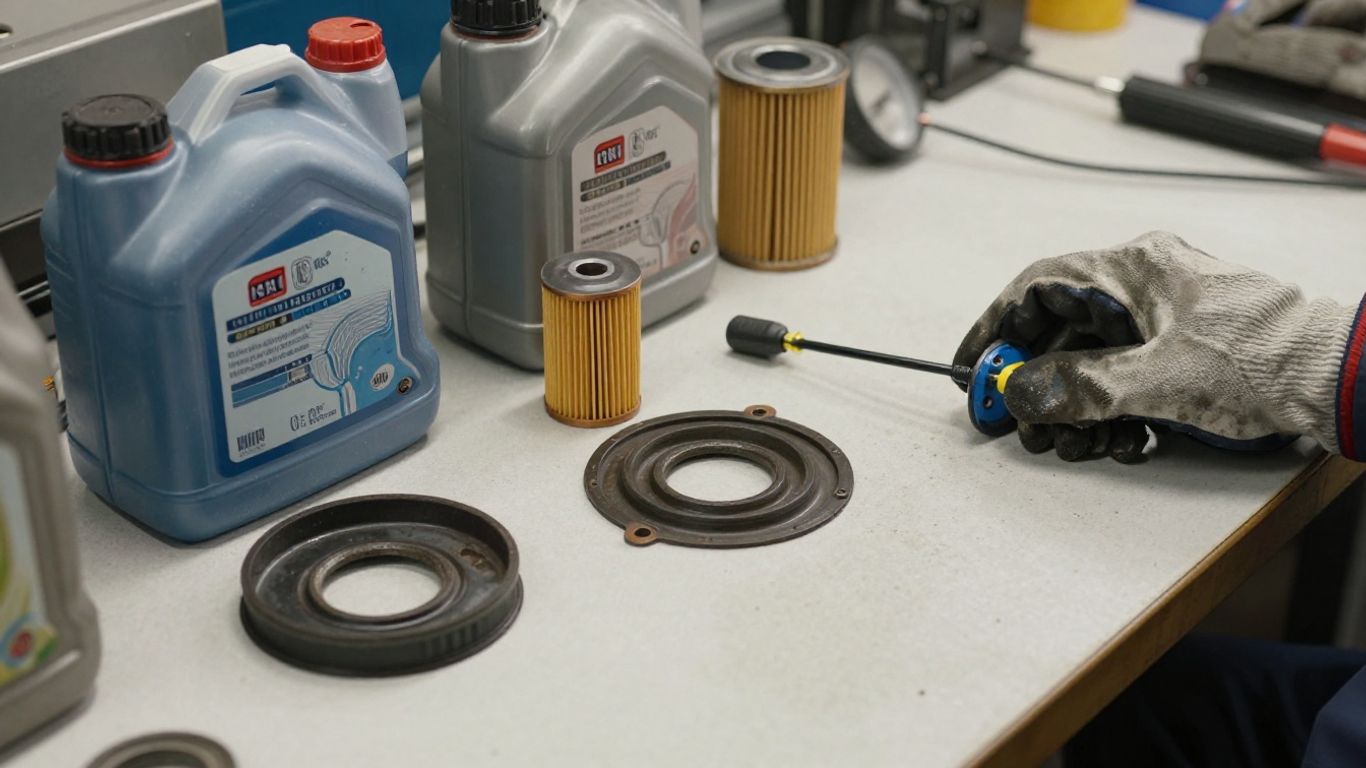
Identifying the correct fluid specification
Use the vehicle identification number, model year, transmission code, and applicable service information to identify the requirement. The fluid container should state the relevant approval or specification clearly where applicable. If the information is unclear, pause the purchase and verify it with a qualified parts or service professional.
Capacity also matters. The amount drained during a routine service may not equal the transmission’s total capacity, especially if some fluid remains in the torque converter, cooler, or internal passages. “One bottle fits all” is not a reliable service plan.
Comparing genuine Mercedes-Benz and aftermarket fluids
A genuine fluid is made for the vehicle manufacturer’s specification, while a reputable aftermarket fluid may be suitable when it explicitly meets the same requirement. The comparison should focus on documented compatibility, supplier reliability, and the warranty or return terms—not only on price.
A parts supplier that connects customers with used, genuine, and aftermarket car parts can help make the search more practical, particularly when the exact filter, pan, or sealing component is needed. The final choice should still be checked against the transmission specification rather than selected by brand familiarity alone.
Why mixing incompatible fluids can cause problems
Mixing fluids with different specifications can change friction behavior and may interfere with the way the transmission applies its clutches. Even when no immediate symptom appears, uncertainty about the fluid makes later diagnosis more difficult. If the wrong product has been added, tell the technician exactly what was used.
The remedy depends on the amount, the transmission, and the circumstances. A professional may recommend draining, exchanging, or inspecting the fluid rather than assuming that topping up with another product will solve the problem.
Checking fluid condition, color, and odor
Fluid appearance can offer clues, but it is not a complete diagnostic test. Color varies by product and age, while a dark appearance may reflect heat or contamination. A burnt odor, metallic debris, or an unusual change from the expected condition deserves closer investigation.
Fluid should be assessed alongside shift behavior, leak evidence, fault codes, and service history. A visual check alone cannot determine whether internal components are worn or whether a transmission needs repair.
Mercedes transmission fluid service costs
The price of a Mercedes transmission fluid service depends on the transmission, the amount and specification of fluid, access to the filter, and the labor required to set the level. Location and workshop equipment also affect the estimate. A useful quote separates routine service from possible repairs discovered during inspection.
Typical parts and labor cost factors
Parts may include fluid, a filter, a pan gasket, seals, drain hardware, and sometimes a service pan or related component. Labor rises when access is difficult or when the filling procedure requires temperature monitoring and diagnostic equipment. A quote should state whether disposal fees, scanning, and the road test are included.
The following breakdown helps compare estimates without treating any single figure as universal:
| Cost factor | Why it changes the estimate | What to confirm |
|---|---|---|
| Fluid specification and quantity | Different transmissions require different products and amounts | Exact fluid and estimated quantity |
| Filter and sealing parts | Some services require a pan, filter, gasket, or seals | Parts included in the quoted price |
| Labor and access | Restricted access or detailed leveling procedures take longer | Labor hours and procedure |
| Diagnosis or repairs | Leaks, fault codes, or worn components add work | Separate diagnostic and repair charges |
A lower fluid price does not necessarily mean a lower total cost. The useful comparison is the complete scope of work and the quality of the parts being supplied.
How dealership prices compare with independent shops
Dealerships and independent workshops may use different labor rates, equipment, and service packages. The right comparison is not simply the headline price; it is whether both quotes cover the same fluid specification, filter, sealing work, level check, diagnostic scan, and road test.
Ask each workshop to identify the transmission and explain its procedure. That makes it easier to compare like with like, especially when one quote describes a drain-and-fill and another includes additional inspection or parts.
Extra costs for filters, pans, seals, and repairs
A service can become more expensive when the pan is damaged, the filter is integrated into another component, or a seal is leaking. A technician may also find damaged wiring, cooler-line problems, or evidence of internal wear. These findings should be photographed or explained and priced separately where possible.
Approval is easier when the workshop distinguishes necessary service parts from recommended repairs. It also prevents a routine maintenance quote from being mistaken for a complete transmission repair estimate.
When a low-cost service may indicate incomplete work
An unusually low price may mean the quote includes only a partial drain, no filter, reused sealing components, an unspecified fluid, or no temperature-based level check. It may still be a valid limited service, but the scope should be clear. Ask what is excluded before booking.
A responsible quote does not need to be the cheapest. It needs to state what will be done, what parts will be used, and what happens if the inspection reveals a leak or fault code.
Avoiding common transmission service mistakes
Most preventable problems come from assumptions: assuming all fluids are interchangeable, assuming a sealed transmission needs no service, or assuming a shifting complaint will disappear after fresh fluid. Careful identification and documentation reduce those risks. When symptoms are present, diagnosis should come before a routine maintenance decision.
Using the wrong fluid or incorrect fill quantity
The wrong specification can affect friction behavior, while an incorrect quantity can cause aeration, poor hydraulic control, or other shifting concerns. Both underfilling and overfilling can be harmful. The technician should record the product and follow the specified level-check method.
Do not estimate the required amount from what drained out. A leak or previous incorrect service may mean the old level was already wrong, and some fluid may remain in parts of the transmission.
Servicing a sealed transmission without proper tools
“Sealed” does not mean impossible to service, but it often means the procedure is less intuitive. Correct filling may require a pump, temperature readings, a level adapter, a scan tool, or access to manufacturer-specific information. Improvising with household equipment can create contamination or an incorrect level.
If the workshop cannot explain how it will measure temperature and level, ask for clarification before authorizing the work. A specialist may be more appropriate when the procedure requires equipment the general repairer does not have.
Ignoring leaks, fault codes, or shifting problems
Fresh fluid cannot seal a damaged pan, restore a worn clutch, or erase every electrical fault. A leak can quickly lower the level again, while a stored code may point to a sensor, solenoid, wiring, or internal problem. These issues should be investigated rather than hidden by a maintenance-only invoice.
Describe the symptom precisely: when it happens, whether the vehicle is cold or warm, and whether it appears during acceleration, braking, or selecting a gear. Specific observations help narrow the diagnostic path.
Failing to perform a post-service road test
A road test checks more than whether the vehicle moves. It allows the technician to assess engagement, shift timing, unusual noises, warning messages, and behavior at different temperatures. The inspection should also include a final check for leaks after the vehicle has been driven.
If a road test is not possible immediately, the workshop should explain what checks were completed and what the owner should monitor. A change in shift quality after service is worth reporting promptly.
Knowing when professional diagnosis is necessary
Professional diagnosis is the sensible choice when the vehicle slips, refuses to engage, enters a limp mode, leaks heavily, or stores transmission fault codes. It is also wise when the correct fluid or service history cannot be established. Continuing to drive with a serious transmission symptom can increase the eventual repair cost.
Routine maintenance is appropriate for a healthy transmission following its specified schedule. Diagnosis is different: it seeks the cause of a problem. Keeping those two purposes separate helps avoid paying for a service that does not address the underlying fault.
Conclusion
Mercedes transmission fluid service is most effective when it is matched to the exact transmission, completed with the correct fluid and level procedure, and followed by inspection and testing. Compare the full scope of work, keep clear records, and treat leaks or shifting changes as diagnostic clues rather than minor inconveniences.
Frequently Asked Questions
How often should transmission fluid be changed?
The interval varies by transmission, model, driving conditions, and service history. Use the vehicle-specific maintenance schedule and adjust the conversation with a technician if the vehicle is used for towing, heavy traffic, or high-temperature driving.
Is a transmission flush better than a fluid change?
Not necessarily. A flush may exchange more fluid, but its suitability depends on the transmission and equipment. The important question is whether the proposed procedure matches the vehicle and addresses the actual maintenance need.
What color should transmission fluid be?
Color varies by fluid type and age, so it is not a reliable pass-or-fail test. Darkened fluid, a burnt odor, debris, or changing shift behavior should prompt a closer inspection.
Can low transmission fluid cause shifting problems?
Yes, a low level can affect hydraulic operation and may cause delayed, harsh, or slipping shifts. However, similar symptoms can result from leaks, electrical faults, or internal wear, so the cause should be confirmed.
Does a transmission service fix slipping?
It may help if the problem is related to fluid condition or level, but it cannot repair worn internal components or every control-system fault. Slipping should be diagnosed before selecting a service procedure.
How much does transmission fluid service cost?
Cost depends on fluid quantity, parts, labor, access, diagnostic work, and any repairs found during inspection. Compare detailed quotes that state what fluid, filter, seals, testing, and road checks are included.
Can I service a sealed transmission myself?
Some owners may have the tools and technical information, but many sealed designs require accurate temperature and level checks. If the procedure or specification is uncertain, professional service reduces the risk of an incorrect fill or contamination.